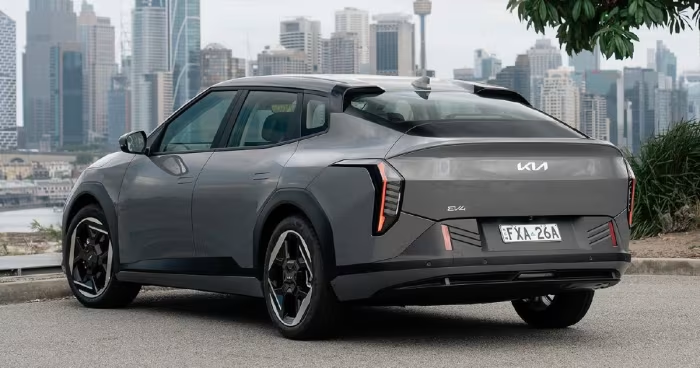
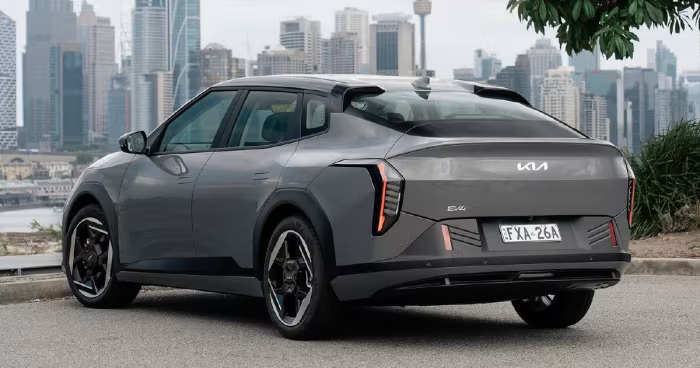
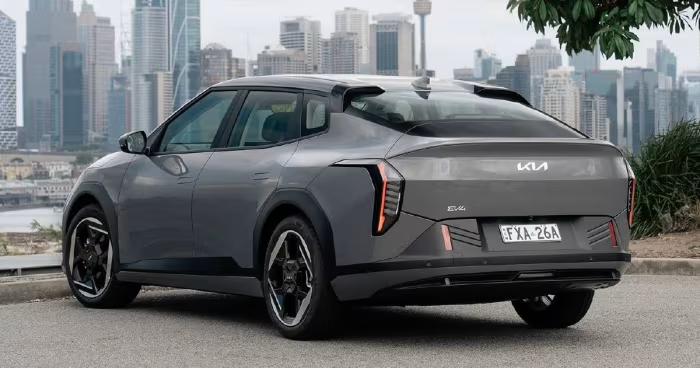
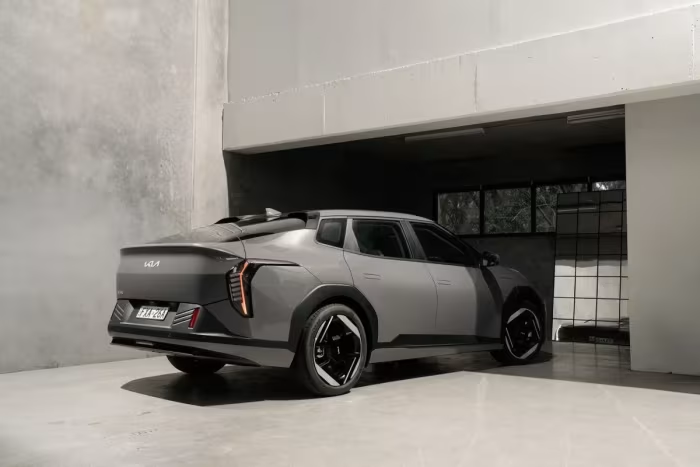
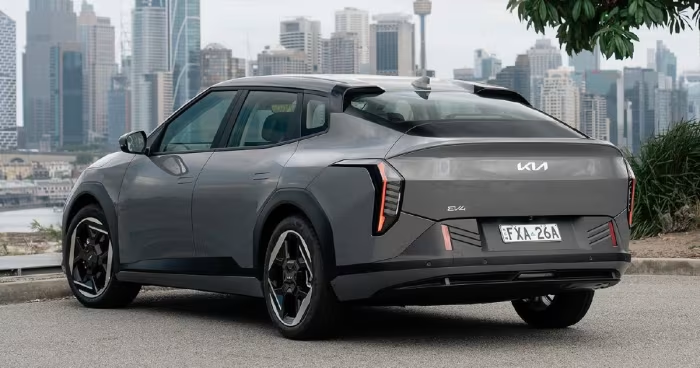
2026 Kia EV4 Earth Review

2026 Kia EV4 Earth
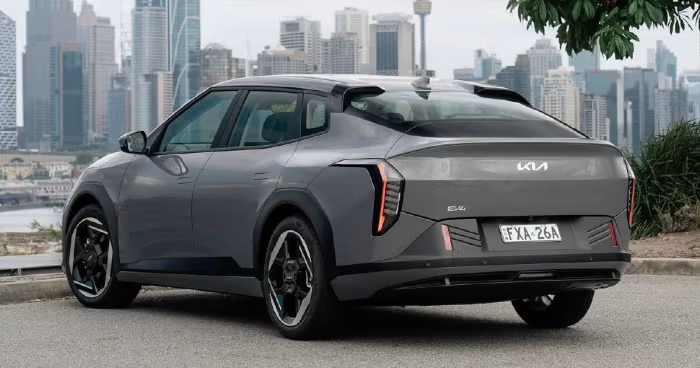
The 2026 Kia EV4 Earth is a mid-range, long-distance electric sedan produced by Kia, positioned between the Air and GT-Line trims.
How This Score Is Calculated
- Sources analysed: 23 reviews
- Sentiment-only: 23 sources (weighted 1.0×)
- Split: 18 Positive · 5 Mixed · 0 Negative
- Raw weighted average: 7.6
- Review period: Feb 2026 – Aug 2026
Algorithmically calculated from source data. No manual adjustments.
- Most reviewed featureDriving Experience (23/23)
- Most praisedRide Quality
- Most criticisedPolarising Design
- Reviewer consensus levelHigh
- Value for moneyGood Value (7.5/10)
The 2026 Kia EV4 Earth enters a highly competitive electric sedan segment, aiming to provide a high-range, comfortable alternative to the prevailing trend of electric SUVs. It serves as the strategic mid-point in Kia's EV4 lineup, specifically designed to address range anxiety through a larger battery capacity compared to the entry-level Air trim.
Positioned against established global leaders, the vehicle prioritizes long-distance touring comfort and suspension refinement over aggressive performance metrics. While it occupies a compelling middle ground in pricing, its market presence is defined by a distinct design language that reviewers consistently flag as a polarizing factor for potential buyers.
🔧 Key Specifications
Specifications sourced from reviewer mentions. Verify with manufacturer for complete details.
- Battery: 81.4kWh
- Range: 600km+ (WLTP)
- Charging: 400-volt architecture; 128kW DC fast charging
- Interior: Mesh headrests, spacious cabin
- Physical Controls: Included for climate
💲 Price Range
Approximately $59,190 AUD / ₹32,50,000 – ₹33,60,000
Prices sourced from reviews. Check current retailer pricing.
📊 What Reviewers Say — Feature by Feature
5 features evaluated across 23 sources.
👍 Key Strengths
- Exceptional ride quality
- Impressive 600km+ WLTP range
- Classy, spacious interior
- Physical climate controls
👎 Key Weaknesses
- Polarising exterior styling
- Limited boot practicality
- Slow DC charging speeds
- Higher than average service costs
💰 Value for Money Analysis
Reviewers view the EV4 Earth as a strong mid-range value proposition, noting that it offers superior range and comfort compared to the entry-level Air trim. While service costs are highlighted as higher than average, the initial purchase price is consistently described as sharp for the segment.
23 of 23 sources commented on price or value.
🎯 Who This Product Is For
Reviewer recommendations for different target audiences and use cases.
🔀 Alternatives Mentioned by Reviewers
- Tesla Model 3 — A primary benchmark for the segment. Reviewers note it offers superior charging infrastructure and raw motor power, though the EV4 Earth is often cited as having a more comfortable ride.
- BYD Seal — A direct competitor that is frequently compared for its performance and feature set. It is often cited as a more conventional styling choice compared to the divisive Kia.
- Hyundai IONIQ 6 — Mentioned as an alternative electric sedan, though the EV4 Earth is often preferred by those seeking a more traditional cabin layout or specific Kia ergonomics.
Alternatives sourced exclusively from reviewer mentions.
🛒 Buyer's Guide
✅ Buy This If…
- You prioritize long-range touring and ride comfort above all else.
- You prefer a cabin with physical controls and a spacious, airy atmosphere.
❌ Skip This If…
- You frequently rely on ultra-fast DC charging networks.
- You need a highly practical boot with a wide, accessible opening.
- You are sensitive to exterior design aesthetics.
The 2026 Kia EV4 Earth is an exceptionally comfortable and efficient electric sedan that succeeds as a long-distance tourer. While its polarizing design and modest 400-volt charging architecture remain significant points of friction, the vehicle’s superb ride quality and impressive real-world range make it a compelling choice for those seeking a serene driving experience. It is a highly practical, well-engineered alternative to the standard electric SUV. Those prioritizing speed and charging infrastructure should consider the Tesla Model 3 instead.