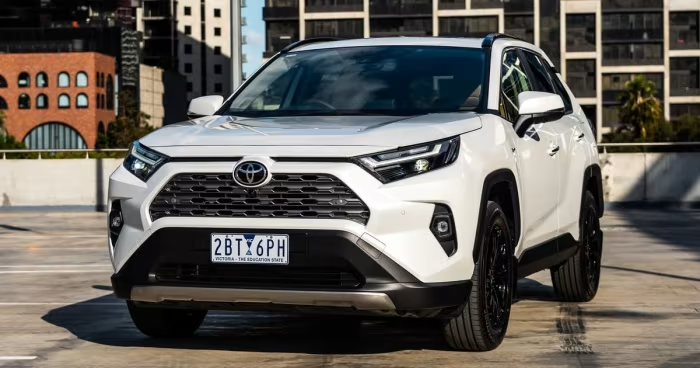
2026 Toyota RAV4 Review

2026 Toyota RAV4
The 2026 Toyota RAV4 is an all-hybrid compact SUV that prioritizes reliability, fuel efficiency, and practical family utility.
How This Score Is Calculated
- Sources analysed: 38 reviews
- Sentiment-only: 38 sources (weighted 1.0×)
- Split: 26 Positive · 8 Mixed · 4 Negative
- Raw weighted average: 7.4
- Formula: Σ(score × weight) ÷ Σ(weight)
- Review period: 2025-2026
- Value sources: 14 of 38 mentioned price or value
- Final score: 7.4/10 (clamped, rounded to 1 decimal)
Algorithmically calculated from source data. No manual adjustments.
- Most reviewed featureFuel Efficiency (38/38)
- Most praisedHybrid Powertrain
- Most criticisedInterior Materials
- Reviewer consensus levelModerate
- Value for moneyFair Value (6.2/10)
The 2026 Toyota RAV4 represents a polished, evolutionary update to the world's best-selling SUV, now exclusively available with hybrid and plug-in hybrid powertrains. While it excels in fuel efficiency, intuitive ergonomics, and long-term reliability, it faces criticism for its dull interior materials, increased pricing, and uninspired driving dynamics. It remains a benchmark for practical daily transportation, even if it no longer leads the class in excitement or premium cabin feel.
🔧 Key Specifications
Specifications sourced from reviewer mentions. Verify with manufacturer for complete details.
- Powertrain: All-Hybrid / PHEV
- Combined Output: Up to 320 hp (PHEV)
- Electric Range (PHEV): 50–95 km (model dependent)
- Display: 12.3-inch digital cluster, 12.9-inch touchscreen
- Towing: Up to 3,500 lbs
- Safety: Toyota Safety Sense 4.0
- OS: Arene operating system
- Drive: Standard All-Wheel Drive (select trims)
💲 Price Range
Approximately ₹25,00,000 to ₹57,00,000
Prices sourced from reviews and conversions. Check current regional retailer pricing.
📊 What Reviewers Say — Feature by Feature
8 features evaluated across 38 sources.
👍 Key Strengths
- Exceptional hybrid fuel efficiency
- Intuitive, updated infotainment software
- Proven long-term reliability
- Practical, spacious cabin storage
- Standard Toyota Safety Sense 4.0
👎 Key Weaknesses
- Uninspired interior hard plastics
- Significant price increases
- Lack of driving engagement
- Noisy engine under load
- Limited rear legroom vs rivals
💰 Value for Money Analysis
Reviewers note that while the RAV4 remains a reliable choice, the 10-11% price increases make it harder to justify against newer, lower-priced competitors. The value is seen as 'solid' rather than 'exceptional' due to the base-level interior materials.
14 of 38 sources commented on price or value.
⚡ Where Reviewers Disagreed
The following areas saw meaningful disagreement across sources.
- Off-Road Capability: Some reviewers (Source 4, 18) praise the Woodland trim's trail performance, while others (Source 4, 10) highlight it as inferior to dedicated off-roaders like the Subaru Outback Wilderness.
🎯 Who This Product Is For
Reviewer recommendations for different target audiences and use cases.
🛠️ Best Use Cases
- Long-Distance TravelExcellent fuel efficiency and comfortable ride make it a low-drama, efficient long-haul vehicle.Great
- Urban CommutingThe hybrid system shines in stop-and-go traffic, providing a smooth and efficient experience.Great
- Family UtilityAmple cargo space and intuitive cabin storage cater well to family needs, though rear seat space is tight.Good
🔀 Alternatives Mentioned by Reviewers
The RAV4 faces intense competition. Consider these alternatives based on your specific needs.
- Honda CR-V Hybrid: Frequently cited as the primary rival, offering a more premium interior and better rear-seat space, though often at a higher price point.
- Hyundai Tucson Hybrid / Kia Sportage Hybrid: Noted for superior interior refinement, better driver engagement, and more modern styling, often considered better value-for-money.
- Mazda CX-5: Recommended for buyers who prioritize driving engagement and premium cabin materials over the RAV4's hybrid efficiency.
- Subaru Forester Hybrid: Often compared for off-road capability and ride comfort, though it lacks the RAV4's cutting-edge hybrid powertrain efficiency.
- BYD Sealion 7: A newer challenger representing the growing pressure from Chinese electric/hybrid brands that offer more features for less money.
Alternatives sourced exclusively from reviewer mentions.
🛒 Buyer's Guide
✅ Buy This If…
- You prioritize fuel efficiency and long-term reliability above all else.
- You want a vehicle with high resale value and a proven service history.
- You appreciate intuitive, physical controls mixed with modern infotainment.
❌ Skip This If…
- You want a premium-feeling cabin with soft-touch materials.
- You require an engaging, sporty driving experience.
- You are on a strict budget and expect high-value packaging.
⚠️ Things to Check Before Buying
- Verify if your local market has a 5-star ANCAP safety rating, as some regions lacked it at launch.
- Consider the PHEV vs. Hybrid variants carefully, as the PHEV carries a significant price premium.
- Test the rear-door opening width to ensure it fits your specific family needs, as some reviewers found it narrow.
📈 Sentiment Trends Over Time
Reviews span 2025-2026. The following changes were detected:
- Value Proposition — Reviewers increasingly note the 'price hike' vs 'minor update' narrative compared to initial launch excitement.
The 2026 Toyota RAV4 remains a reliable, highly efficient, and practical choice that continues to set the standard for the compact SUV segment. While it suffers from uninspired interior materials and a lack of driving excitement, its class-leading hybrid powertrain and updated tech ensure it remains a safe, sensible buy. If you prioritize long-term reliability and fuel economy over luxury, it is an easy recommendation. For a more premium feel, consider the Hyundai Tucson or Kia Sportage.
Top Alternative: Honda CR-V Hybrid — Offers a more premium cabin and better rear-seat space.