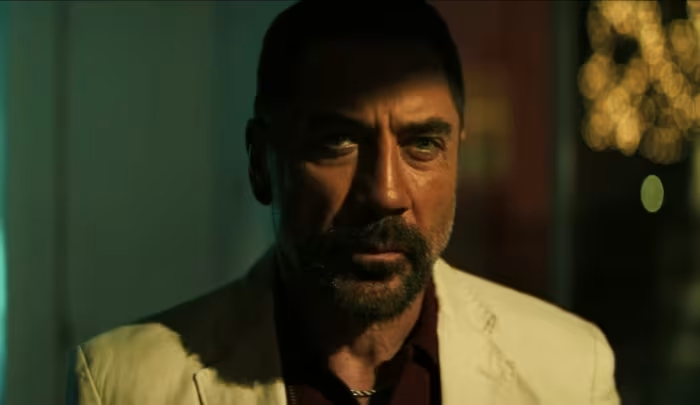
Apple TV Cape Fear Review

Cape Fear (Apple TV Series)
A 10-episode psychological thriller series reimagining the classic story with a focus on modern moral ambiguity.
How This Score Is Calculated
- Sources analysed: 16 reviews
- Raw weighted average: 6.8
- Formula: Σ(score × weight) ÷ Σ(weight)
- Review period: Recent release cycle
- Final score: 6.8/10 (clamped, rounded to 1 decimal)
- Most reviewed featureJavier Bardem Performance (16/16)
- Most praisedActing Performances
- Most criticised10-Episode Pacing/Length
- Reviewer consensus levelModerate
Apple TV's Cape Fear is a visually striking, atmospheric, and well-acted psychological thriller anchored by a powerhouse performance from Javier Bardem. While critics praise the series for its modern, nuanced take on the source material, the consensus is that the 10-episode format is excessive, leading to bloated pacing and unnecessary narrative filler. It succeeds as a stylish neo-noir but struggles to match the taut, focused intensity of the 1962 and 1991 film predecessors.
🔧 Key Specifications
- Format: 10-episode limited series
- Genre: Psychological Thriller / Neo-Noir
- Platform: Apple TV+
- Lead Actors: Javier Bardem, Amy Adams, Patrick Wilson
- Style: Hitchcockian, Southern Gothic
📊 What Reviewers Say — Feature by Feature
5 features evaluated across 16 sources.
👍 Key Strengths
- Masterful, intense Javier Bardem performance
- Lush, atmospheric, Hitchcockian cinematography
- Strong ensemble acting chemistry
- Effective, menacing musical score
👎 Key Weaknesses
- Excessive 10-episode runtime
- Pacing feels stretched and padded
- Nonsensical, frustrating plot twists
- Dialogue occasionally overly expository
⚡ Where Reviewers Disagreed
The following areas saw meaningful disagreement across sources.
- Narrative Focus: 5 sources praised the deep psychological exploration, while 7 sources criticised the lack of focus and meandering side-plots. The disagreement stems from whether the slower, episodic format adds necessary depth or simply dilutes the tension of the original story.
🎯 Who This Product Is For
Reviewer recommendations for different target audiences and use cases.
🛠️ Best Use Cases
- Binge-WatchingWhile the pacing is slow, the atmospheric tension can make for an addictive experience for patient viewers.Good
- Character StudyThe 10-episode format allows for a deeper psychological study of the antagonist compared to the shorter film versions.Great
🔀 Alternatives Mentioned by Reviewers
Maximise this list. Include EVERY single competitor, rival, or alternative product mentioned in any of the source reviews.
- Cape Fear (1991 Film) — The Martin Scorsese directed classic is the primary point of comparison. Reviewers note it is much tighter and more efficient than the series, making it the preferred choice for those who want a high-tension, two-hour experience.
- Cape Fear (1962 Original Film) — The source material for all subsequent versions. Reviewers mention it for its historical significance and foundational tension, often noting that the series fails to capture its original, focused dread.
- Fargo (TV Series) — Mentioned as the benchmark for how to successfully adapt a film into an episodic series. Critics note that Cape Fear fails to carve out its own identity with the same creative audacity that Fargo achieved.
- Better Call Saul — Referenced as a stylistic and narrative comparison regarding moral ambiguity and diffuse mystery, though critics suggest Cape Fear lacks the same narrative focus.
Alternatives sourced exclusively from reviewer mentions.
🛒 Buyer's Guide
✅ Buy This If…
- You are a major fan of Javier Bardem's acting.
- You enjoy moody, atmospheric neo-noir thrillers.
- You appreciate psychological slow-burns over fast-paced action.
❌ Skip This If…
- You prefer the tight, 2-hour pacing of the original films.
- You have little patience for plot filler and side quests.
- You are looking for a taut, high-octane revenge thriller.
Apple TV's Cape Fear is a bold, visually arresting project that serves as a masterclass in acting, specifically due to Javier Bardem’s terrifyingly charismatic lead performance. While it succeeds as a moody, atmospheric psychological study, it is undeniably hampered by an excessive 10-episode structure that leads to bloated storytelling and uneven pacing. It is a worthwhile watch for fans of the genre and the lead actors, provided you can look past the unnecessary narrative padding. For those seeking the definitive, high-tension experience, the 1991 Scorsese film remains the superior, more focused choice.