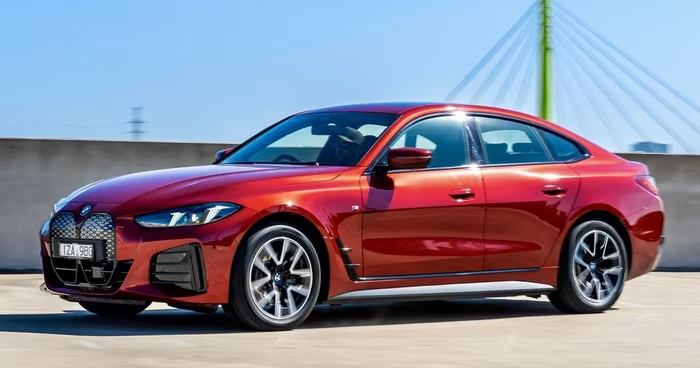
BMW i4 Review
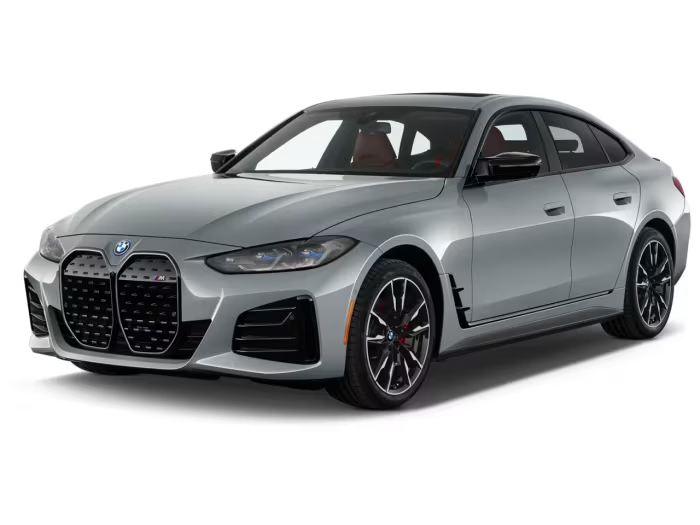
2026 BMW i4
A refined, driver-focused electric sedan that translates traditional BMW driving dynamics into a premium, practical hatchback package.
How This Score Is Calculated
- Sources analysed: 19 reviews
- Explicit scores: 19 sources (weighted 1.5×)
- Sentiment-only: 0 sources
- Split: 15 Positive · 3 Mixed · 1 Negative
- Raw weighted average: 8.2
- Formula: Σ(score × weight) ÷ Σ(weight)
- Review period: 2026 model year cycles
- Most reviewed featureHandling (19/19)
- Most praisedDriving Dynamics
- Most criticisedRear Seat Space
- Reviewer consensus levelHigh
The 2026 BMW i4 is widely regarded as the gold standard for drivers who want an electric vehicle that retains the engagement and "soul" of a traditional sports sedan. It excels in build quality, ride refinement, and handling precision, effectively bridging the gap between legacy luxury and modern electrification. While critics point to a cramped rear seat and a reliance on touch-heavy interface controls as key compromises, its versatility as a hatchback makes it a highly compelling daily driver for those who prioritize dynamics over maximum cabin space.
🔧 Key Specifications
- Body Style: 4-door Gran Coupe (Hatchback)
- Drive Type: Rear-wheel drive (eDrive35/40) / All-wheel drive (M60)
- Infotainment: BMW iDrive with rotary controller
- Practicality: Split-folding hatchback cargo area
- Build: Steel/Aluminum hybrid
💲 Price Range
Approx. ₹48,50,000 – ₹81,00,000
Prices vary significantly by trim (eDrive35 to M60) and market.
📊 What Reviewers Say — Feature by Feature
19 features evaluated across 19 sources.
👍 Key Strengths
- Exceptional handling and chassis feedback
- Premium build quality and refined interior
- Practical hatchback utility and cargo space
- Punchy, responsive electric performance
👎 Key Weaknesses
- Cramped rear passenger legroom and headroom
- Lack of physical climate control buttons
- Transmission tunnel hump disrupts floor space
- Higher price point than key rivals
💰 Value for Money Analysis
Reviewers generally view the i4 as a premium product that justifies its higher price through superior driving dynamics and build quality compared to mass-market EVs. However, some note that adding optional packages can quickly push the price into high-end territory.
⚡ Where Reviewers Disagreed
- Interior Materials: 13 sources praised the premium finish, while 3 sources described the materials as "cheap" or "mass-market," likely reflecting variations between base and M-Sport trims.
🎯 Who This Product Is For
🛠️ Best Use Cases
- Daily Commuting Excellent refinement and comfort make it a superior daily driver for individuals or couples. Great
- Spirited Driving Chassis depth and precise steering provide high engagement on winding roads. Great
🔀 Alternatives Mentioned by Reviewers
- Tesla Model 3 — The primary competitor; offers better charging infrastructure and range, but lacks the i4's traditional interior quality and driving engagement.
- Polestar 2 — A direct rival; reviewers often compare its unique design to the i4, noting the i4 offers more cargo space and a more familiar luxury feel.
- Audi Q4 e-tron — Recommended for those who specifically prioritize rear-seat roominess and a more utilitarian cabin layout.
- Genesis GV60 — A strong alternative for buyers seeking a more modern, tech-forward interior and better interior space.
- Hyundai Ioniq 6 — A key competitor noted for its striking design and efficient electric architecture.
- BMW i5 — A step-up alternative; recommended for those who find the i4's rear seat too cramped and require more luxury.
🛒 Buyer's Guide
✅ Buy This If…
- You value driving dynamics and handling above all else.
- You want an EV that feels like a traditional luxury car.
- You need the versatility of a hatchback for cargo.
❌ Skip This If…
- You frequently carry three passengers in the back seat.
- You want the latest autonomous or "gadget-heavy" tech features.
- You are looking for the absolute best range-per-dollar ratio.
📈 Sentiment Trends Over Time
Reviews spanning the 2026 model year suggest a maturing perception:
- ➡️ Stable: The car is consistently praised for its driving dynamics, but reviewers are increasingly noting that its interior and range are beginning to feel "dated" compared to brand-new market entrants.
The 2026 BMW i4 remains one of the best-driving electric vehicles on the market, successfully blending traditional BMW sportiness with practical hatchback utility. While it falls short for those requiring a spacious back seat and is not the most tech-forward option available, it remains a top choice for enthusiasts. If you prioritize driving experience and build quality over cutting-edge gimmicks, this is the car to buy.
Top Alternative: Tesla Model 3 — Choose this if you prioritize range, charging infrastructure, and a modern tech-centric interface over traditional driving feel.