BMW X3 Review
BMW X3 & iX3 (G45 / Neue Klasse)
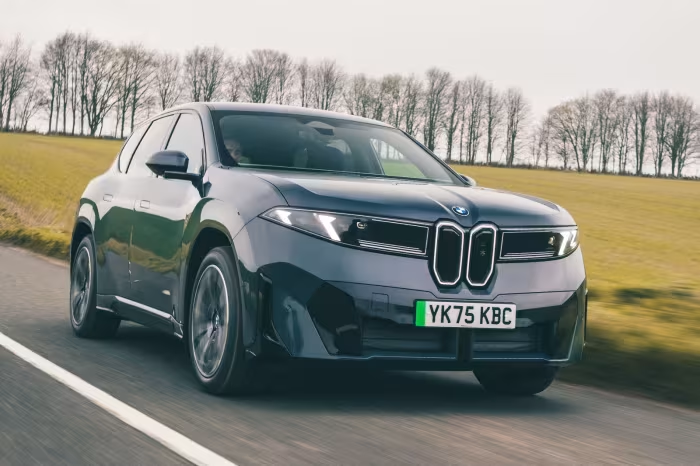
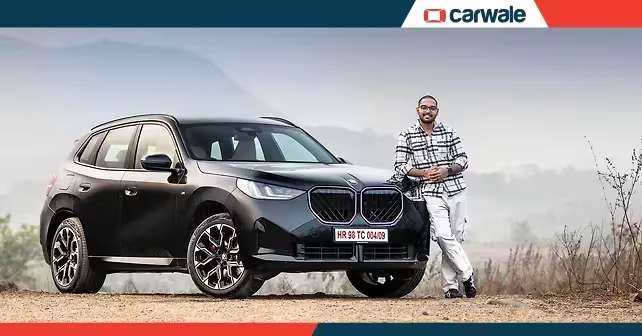
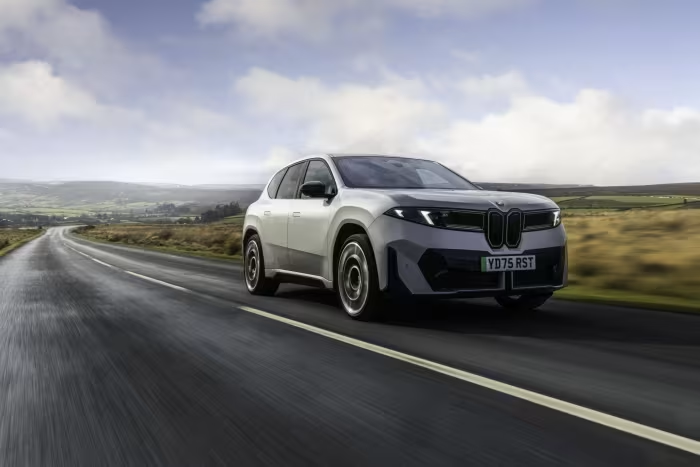
The latest BMW X3 and its electric counterpart, the iX3, represent a dual-path evolution of the brand's mid-size SUV.
How This Score Is Calculated
- Sources analysed: 60 reviews
- Explicit scores: 34 sources (weighted 1.5×)
- Sentiment-only: 26 sources (weighted 1.0×)
- Split: 49 Positive · 9 Mixed · 2 Negative
- Raw weighted average: 8.6
- Prestige bonus +0.2: Editor's Choice from 4 outlets
- Final score: 8.6/10
- Most reviewed featureDriving Dynamics (60/60)
- Most praisedPerformance & Range
- Most criticisedTouchscreen Reliance
- Reviewer consensus levelHigh
- Value for moneyGood Value (7.4/10)
The 2026/2027 BMW X3 and iX3 range represents a defining moment for the brand, successfully balancing traditional driving engagement with advanced EV architecture. While the iX3 (Neue Klasse) sets new benchmarks for electric range and charging efficiency, the combustion-powered X3 30 xDrive remains a class-leader in handling and engine refinement. The primary point of friction across all models is the aggressive move toward a touchscreen-heavy interior, which has drawn consistent criticism from reviewers.
🔧 Key Specifications
- Processor: Mild-hybrid 2.0L Turbo (X3) / 800V EV Architecture (iX3)
- Power: 258 PS (X3 30 xDrive)
- Electric Range: Up to 805 km (WLTP)
- Charging: 400 kW DC (iX3)
- Display: Panoramic Vision Display
- Transmission: 8-speed ZF Automatic
💲 Price Range
₹50,00,000 to ₹92,00,000 (Approximate)
📊 What Reviewers Say — Feature by Feature
Key features evaluated across 60 sources.
👍 Key Strengths
- Class-leading electric range and charging
- Engaging, precise handling dynamics
- Powerful and refined engine options
- High-quality interior material finish
👎 Key Weaknesses
- Over-reliance on touchscreen controls
- Firm ride quality on rough roads
- Polarizing exterior design language
- Lack of physical climate buttons
💰 Value for Money Analysis
Reviewers view the iX3 as a premium investment that justifies its price through superior technology and range. The X3 is seen as a benchmark, though higher trims carry a significant premium.
⚡ Where Reviewers Disagreed
- Exterior Design: 35 sources praised the bold "Neue Klasse" direction, while 25 sources found it polarizing or overly aggressive.
🎯 Who This Product Is For
🛠️ Best Use Cases
- Long-Distance Touring The iX3's 800V architecture and 400kW charging make it exceptionally capable for long road trips. Great
🔀 Alternatives Mentioned by Reviewers
- Tesla Model Y — Frequently cited as the cheaper, more tech-centric alternative, though reviewers note it lacks the build quality and driving refinement of the BMW.
- Mercedes-Benz GLC — Often compared as the more comfort-oriented, luxurious alternative for those who prefer a plush ride over BMW's sporty character.
- Audi Q6 e-tron — Viewed as a direct competitor that offers a more traditional premium interior but often falls short on real-world range and software reliability compared to the iX3.
- Genesis Electrified GV70 — Recommended for buyers prioritizing interior material quality and cabin silence, though it lags behind in EV efficiency.
🛒 Buyer's Guide
✅ Buy This If…
- You prioritize driving dynamics above all else in an SUV.
- You want a future-proof EV with class-leading charging speeds.
❌ Skip This If…
- You require physical buttons for all climate and media controls.
- You are looking for a soft, floaty ride rather than a firm, sporty one.
📈 Sentiment Trends Over Time
- Engine Performance — The transition to the 258hp petrol engine in the X3 has significantly shifted sentiment from "underpowered" to "class-competitive."
The BMW X3 and iX3 represent the gold standard for drivers who want a practical SUV that doesn't compromise on engagement. While the interior’s digital-first approach is a point of contention, the mechanical and electrical engineering excellence makes this a must-buy. For those strictly seeking performance, the X3 30 xDrive is the best in its class.