Ford Explorer Review
Ford Explorer
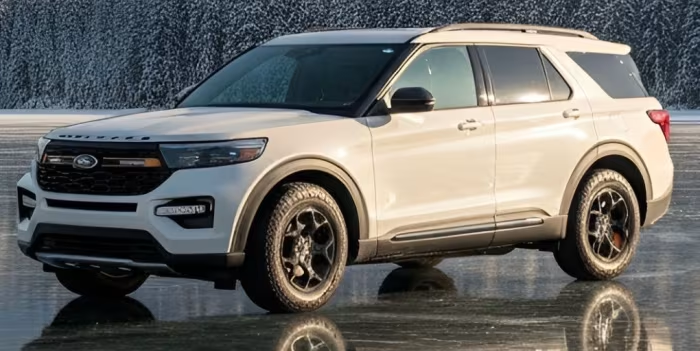
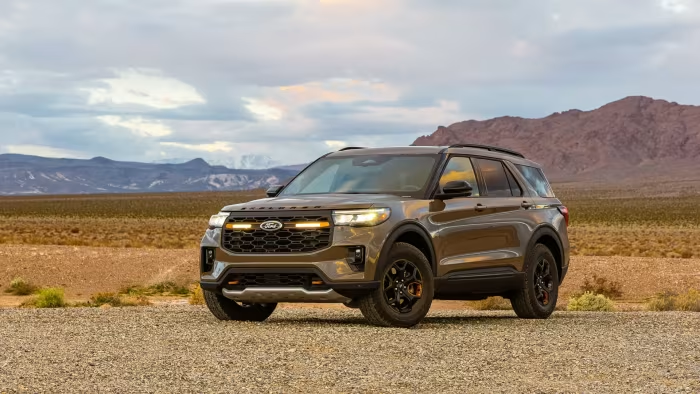
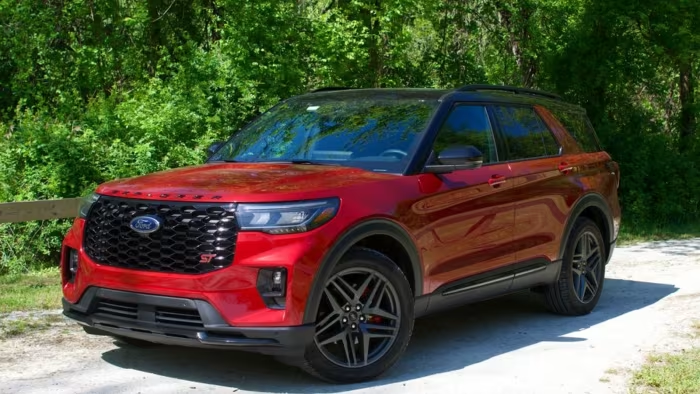
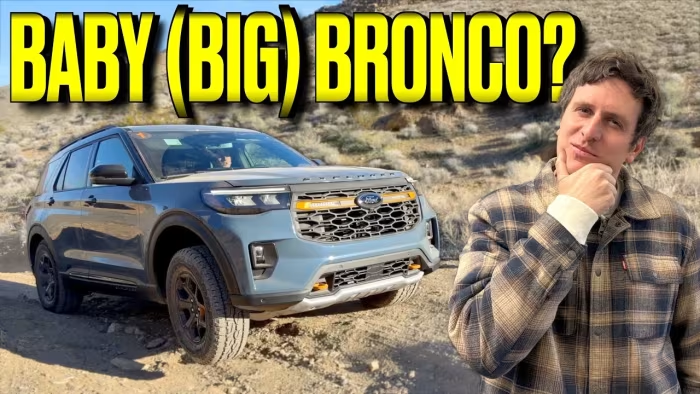
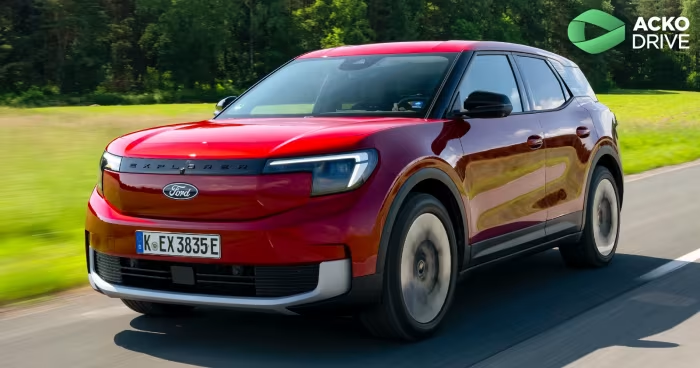
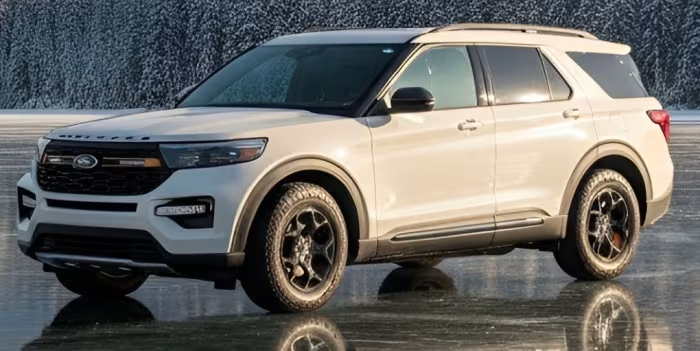
The Ford Explorer is a versatile mid-size SUV available as both a combustion-powered three-row family hauler and a dedicated electric crossover.
How This Score Is Calculated
- Sources analysed: 60 reviews
- Raw weighted average: 7.4
- Review period: 2025-07 to 2026-11
Algorithmically calculated from source data. No manual adjustments.
- Most reviewed featureInterior Space (48/60)
- Most praisedDriving Dynamics
- Most criticisedBoot Space
- Reviewer consensus levelModerate
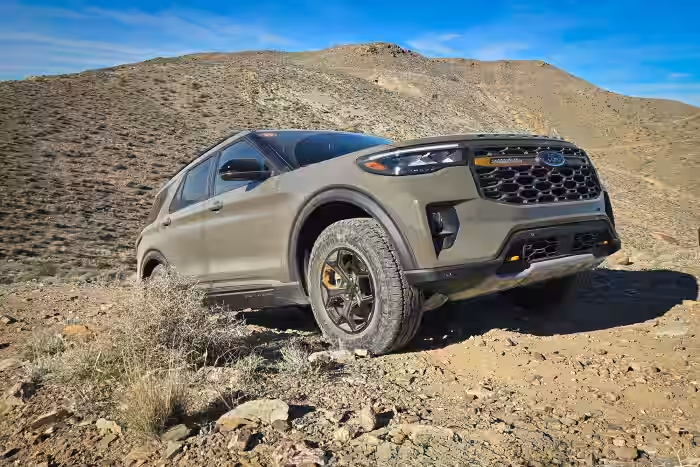
The Ford Explorer nameplate currently spans two distinct segments, creating a bifurcated market experience. In North America, it remains a traditional, powerful three-row SUV focused on towing and off-road-inspired trims like the Tremor. Conversely, the European market receives a purpose-built electric crossover that shares its underpinnings with the Volkswagen ID.4 but aims for a more premium, Ford-specific aesthetic and driving feel.
Across both iterations, the Explorer is positioned as a mainstream, jack-of-all-trades vehicle. It occupies a crowded middle ground, competing against established heavyweights like the Kia Telluride and Hyundai Palisade in the combustion segment, and the Renault Scenic and Skoda Enyaq in the electric space. Reviewers emphasize that while it rarely leads its class in any single metric, it offers a consistent, tech-forward experience for families.
🔧 Key Specifications
- Powertrain: 2.3L I4 Turbo / 3.0L V6 Twin-Turbo / Electric RWD & AWD
- Horsepower: Up to 400 hp (V6 models)
- Display: 13.2-inch to 14.6-inch touchscreen
- Battery (EV): Up to 374 miles (range)
- Towing: Up to 5,000 lbs (Tremor trim)
- Tech: BlueCruise hands-free driving
💲 Price Range
Approx. ₹32,50,000 – ₹58,00,000
Prices vary significantly by powertrain and regional trim levels.
📊 What Reviewers Say — Feature by Feature
Key features evaluated across 60 sources.
👍 Key Strengths
- Engaging driving dynamics
- Powerful V6 engine options
- Advanced BlueCruise technology
- Smart cabin storage solutions
👎 Key Weaknesses
- Limited third-row legroom
- Boot space below class-leading
- Frustrating haptic touchscreen controls
- Middling fuel economy
💰 Value for Money Analysis
Reviewers generally view the Explorer as a competitive value, particularly the mid-range trims. However, the premium AWD and performance-focused trims are frequently described as hard to justify given the price climb.
42 of 60 sources commented on price or value.
⚡ Where Reviewers Disagreed
The following areas saw meaningful disagreement across sources.
- Ride Comfort: 25 sources praised the ride as balanced and comfortable, while 20 sources criticised it as bouncy or firm. The disagreement often depends on wheel size, with larger 20-inch wheels consistently triggering reports of an unsettled ride. No consistent explanation for the split was evident across sources.
🔎 Reading Between the Reviews
A clear pattern emerges where reviewers who value agility and driving feedback rank the Explorer higher than those who prioritize maximum utility and space. The vehicle's identity as a 'sporty' SUV consistently wins over automotive enthusiasts, while family-focused outlets frequently push readers toward the Kia Telluride for its superior interior volume.
🎯 Who This Product Is For
Reviewer recommendations for different target audiences and use cases.
🔀 Alternatives Mentioned by Reviewers
- Kia Telluride / Hyundai Palisade — The primary benchmarks for three-row utility. Reviewers consistently recommend these for their superior cabin space, cargo volume, and overall value compared to the Explorer.
- Renault Scenic E-Tech — The leading alternative to the electric Explorer. It is often cited as offering better range, more intuitive technology, and a more comfortable daily driving experience.
- Skoda Enyaq — Frequently compared to the electric Explorer as a platform-sharing sibling. It is often preferred for its better value proposition and more practical, family-oriented layout.
- Ford Capri — Considered a more stylish, coupe-like variant of the electric Explorer. Recommended for buyers who want the same mechanical reliability but prefer a more expressive, fastback design.
Alternatives sourced exclusively from reviewer mentions.
🛒 Buyer's Guide
✅ Buy This If…
- You prioritize engaging handling and performance over raw interior space.
- You are an existing Ford loyalist looking for a modern, tech-forward daily driver.
- You plan to use the vehicle primarily for commuting and light weekend adventures.
❌ Skip This If…
- You need a true three-row SUV for regular transport of adults or large families.
- Cargo capacity and maximum boot space are your top priority.
- You dislike touch-sensitive controls and prefer tactile physical buttons for climate.
⚠️ Things to Check Before Buying
- Test drive on smaller wheels to ensure the ride quality meets your comfort expectations.
- Verify if your desired trim includes wireless charging, as it is notably absent on some models.
- Check subscription requirements for BlueCruise features before finalizing your trim choice.
The Ford Explorer remains a solid, well-rounded contender that successfully leverages its sporty reputation to stand out in a crowded market. Its standout feature is its balanced driving dynamics, which feel significantly more engaging than those of its traditional SUV rivals. However, the trade-off is a lack of interior volume and cargo space, which may alienate buyers looking for a pure people-mover. If your priority is driver engagement and modern tech over absolute utility, the Explorer is an excellent choice. If you need maximum space, look at the Kia Telluride.