Google Pixel 11 Pro Fold Review
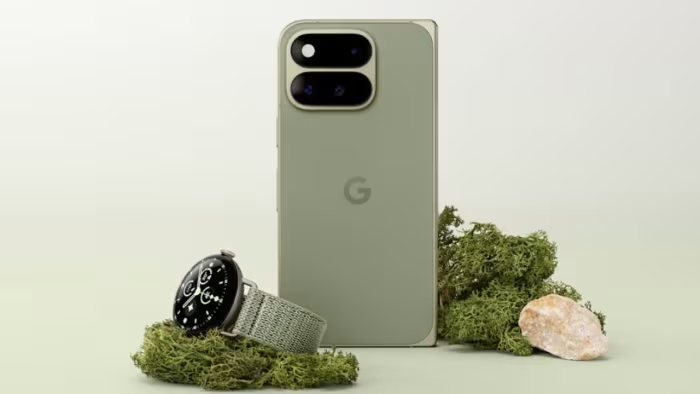
Google Pixel 11 Pro Fold
A durable, AI-focused foldable from Google featuring a robust hinge, but hindered by performance and design stagnation.
How This Score Is Calculated
- Sources analysed: 14 reviews
- Raw weighted average: 6.1/10
- Formula: Σ(score × weight) ÷ Σ(weight)
- Controversy −0.3: Significant disagreement on hardware value vs. competition.
- Review period: 2026
- Value sources: 11 of 14 mentioned price or value
- Final score: 6.1/10
- Most reviewed featureDesign/Build (14/14)
- Most praisedIP68 Durability
- Most criticisedTensor G6 Performance
- Reviewer consensus levelContested
- Value for moneyOverpriced (4.2/10)
The Google Pixel 11 Pro Fold is a premium foldable that shines in durability and software integration but struggles to justify its high price tag. While its IP68-rated design and bright 3,600-nit display are industry-leading, it is held back by the lackluster Tensor G6 processor and a noticeable screen crease. It is best suited for committed Google ecosystem users who value AI tools over raw gaming performance.
🔧 Key Specifications
- Processor: Google Tensor G6
- Display: 3,600 nits peak brightness
- Battery: Reduced capacity compared to predecessor
- Charging: 30W wired
- Build: Steel hinge, ceramic/glass fiber composite
- IP Rating: IP68
- Extras: PixelSnap magnets
💲 Price Range
Approx. ₹1,55,000 – ₹1,86,999
📊 What Reviewers Say — Feature by Feature
👍 Key Strengths
- Excellent IP68 water and dust resistance
- Extremely bright 3,600-nit displays
- Polished AI-driven software features
- Seven years of software support
- Sturdy steel hinge design
👎 Key Weaknesses
- Underwhelming Tensor G6 gaming performance
- Noticeable and distracting inner screen crease
- Thicker and heavier than market rivals
- Slow 30W charging speeds
- Disappointing low-light camera quality
💰 Value for Money Analysis
Reviewers almost universally describe the device as hard to justify at its premium price point. It lacks the "wow factor" and raw power of competitors like the Samsung Galaxy Z Fold 8, which often retails for similar or better value.
⚡ Where Reviewers Disagreed
- Camera Performance: 6 sources praised the camera as "top-tier" and "consistent," while 8 sources criticized it for lacking "Pro-tier" features and poor low-light performance. Reviewers seem split between prioritizing AI-assisted software tools versus raw hardware sensor capabilities.
🎯 Who This Product Is For
🛠️ Best Use Cases
- Productivity Excellent for multitasking with features like Split Screen and Bubbles. Good
- Media Consumption The 3,600-nit display is industry-leading for outdoor visibility. Great
🔀 Alternatives Mentioned by Reviewers
- Samsung Galaxy Z Fold 8 / Ultra — The primary competitor. Reviewers consistently note it is thinner, lighter, offers superior multitasking software, and has a less noticeable crease. Choose this for a more refined hardware experience.
- Honor Magic V6 — Frequently cited as a thinner, more advanced hardware alternative that handles the inner screen crease more effectively than the Pixel.
- Motorola Razr Fold — Mentioned as a strong alternative for those prioritizing form factor and competitive hardware refinement.
🛒 Buyer's Guide
✅ Buy This If…
- Durability and IP68 rating are your top priorities.
- You are a die-hard fan of Google software and AI tools.
❌ Skip This If…
- You play demanding mobile games frequently.
- You want the thinnest, lightest foldable on the market.
The Pixel 11 Pro Fold is a beautiful, durable device that ultimately feels like a generation behind in hardware performance. While its software and IP68 rating are top-tier, the Tensor G6 chip and thick chassis make it difficult to recommend at this price. Most buyers would be better served by the more refined Samsung Galaxy Z Fold 8 series.
PLG_CONTENT_IMAGEGALLERY_ERROR_NO_IMAGES