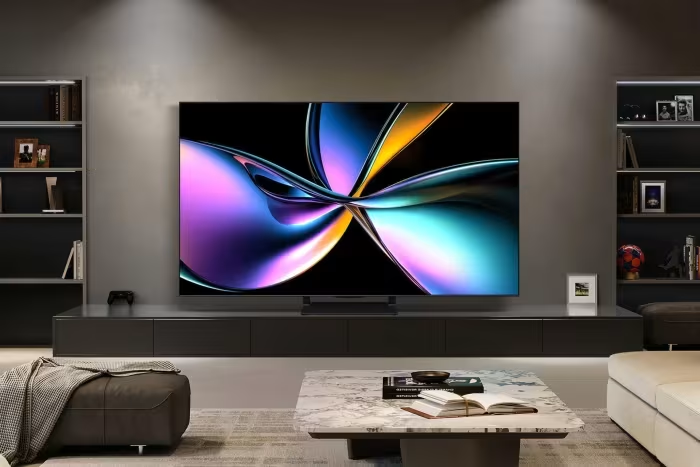
Hisense Mini LED TV Review
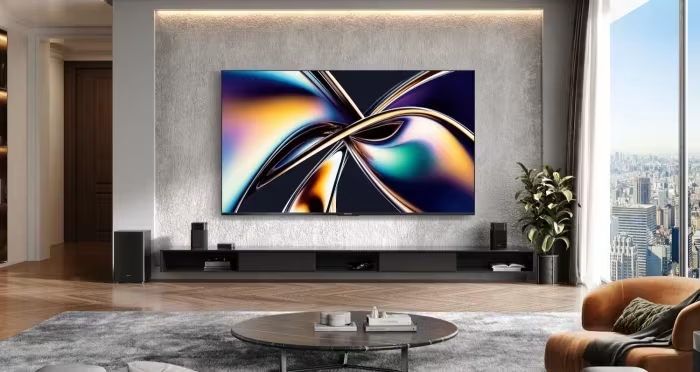
Hisense Mini LED TV Series
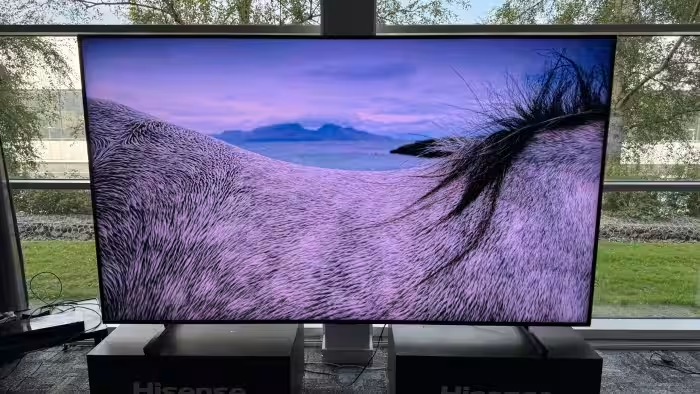
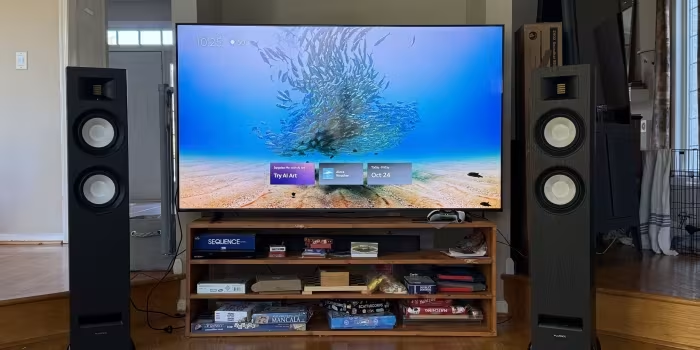
A diverse range of Mini-LED televisions from Hisense, spanning budget-friendly gaming models to ultra-premium, massive-scale flagship displays.
How This Score Is Calculated
- Sources analysed: 16 reviews
- Raw weighted average: 7.8/10
- Final score: 7.8/10 (rounded to 1 decimal)
Algorithmically calculated from source data. No manual adjustments.
- Most reviewed featurePicture Quality (16/16)
- Most praisedBrightness & Contrast
- Most criticisedReflective screen surface
- Reviewer consensus levelModerate
- Value for moneyGood Value (7.5/10)
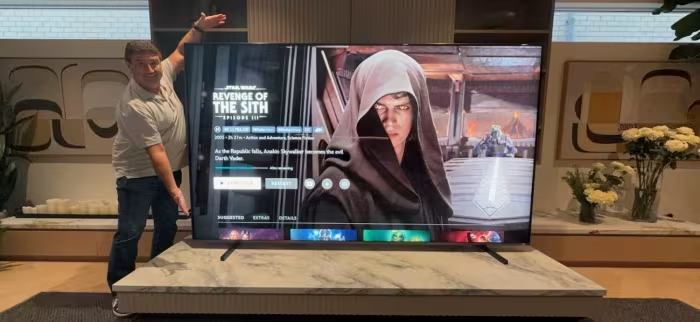
Hisense's Mini-LED lineup offers an aggressive value proposition, successfully bridging the gap between budget displays and premium OLED alternatives. While the ultra-premium 116UX model showcases groundbreaking RGB Mini-LED technology and immense scale, the mid-range U7 and U8 series remain the standouts for most consumers due to their high brightness and strong gaming performance. Critics consistently praise the vibrant picture and robust audio, though reflections and occasional blooming remain common pain points across the range.
🔧 Key Specifications
Specifications sourced from reviewer mentions. Verify with manufacturer for complete details.
- Display Tech: Mini-LED / RGB Mini-LED (116UX)
- Peak Brightness: Up to 8,000 nits (116UX model)
- Refresh Rate: Up to 144Hz (Gaming models)
- Audio: 2.1.2 to 6.2.2 (Devialet/CineStage X)
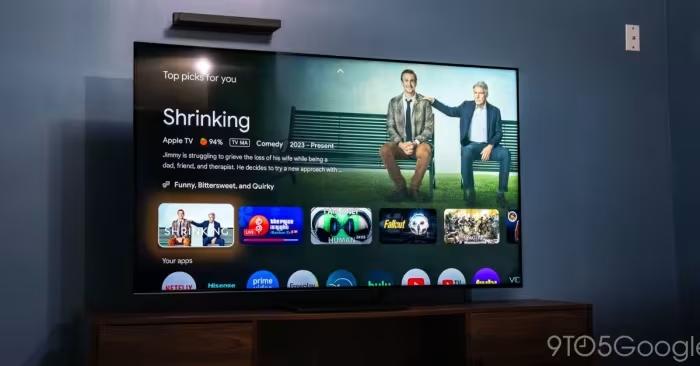
- OS: VIDAA U / Google TV / Fire TV
- Connectivity: HDMI 2.1 (on select models), USB-C
- Screen Sizes: 65-inch to 116-inch
💲 Price Range
₹77,999 – ₹22,25,000
Prices sourced from reviews. Check current retailer pricing.
📊 What Reviewers Say — Feature by Feature
Features evaluated across 16 sources.
👍 Key Strengths
- High peak brightness and contrast
- Excellent gaming features (144Hz/HDMI 2.1)
- Competitive price-to-performance ratio
- Strong built-in audio systems
👎 Key Weaknesses
- Reflective screen surfaces
- Blooming in dark scenes
- OS advertisements and interface limitations
- Bulky, heavy hardware designs
💰 Value for Money Analysis
Reviewers generally consider Hisense Mini-LED TVs to be a superior value-for-money proposition compared to premium OLED competitors. While the 116UX is viewed as a luxury-priced status symbol, the mid-range U7 and U8 series are repeatedly cited as offering near-premium performance at significantly lower price points.
16 of 16 sources commented on price or value.
⚡ Where Reviewers Disagreed
The following areas saw meaningful disagreement across sources.
- OS Experience: Several sources praised the VIDAA platform for being fast and easy to navigate, while others specifically criticized the presence of ads and interface clutter.
- Build Design: Some reviewers appreciated the robust, premium feel of the hardware, whereas others labeled the designs as "chunky" and "not as premium" as competitors like Sony or Samsung.
🎯 Who This Product Is For
Reviewer recommendations for different target audiences and use cases.
🛠️ Best Use Cases
- GamingHigh refresh rates and low input lag make these TVs highly recommended for gamers.Great
- Sports ViewingExceptional brightness and motion handling ensure sports content looks vivid and clear.Great
- HDR MoviesHigh nit counts and contrast ratios provide a punchy, vibrant HDR experience.Good
🔀 Alternatives Mentioned by Reviewers
- LG G5 (77-inch) — A premium OLED benchmark often used for comparison. Reviewers note it offers superior contrast but is significantly more expensive than Hisense's Mini-LED offerings.
- Samsung S90D — A top-tier OLED competitor cited for having better color depth and richness, though it comes at a higher price point than Hisense's mid-range models.
- Sony (General) — Mentioned as a premium competitor that feels more "premium" in build quality compared to Hisense, though often at a higher cost for similar performance.
- LG (General) — Often compared as the standard for high-end picture quality; Hisense is frequently positioned as the more affordable, high-performance alternative.
- Hisense U6QAU Pro — The entry-level sibling to the U7/U8 series, noted for being more budget-friendly but lacking the advanced dimming zones and features found in higher-tier models.
Alternatives sourced exclusively from reviewer mentions.
🛒 Buyer's Guide
✅ Buy This If…
- You are a gamer needing 144Hz and HDMI 2.1 support at a fair price.
- You want a high-brightness TV for HDR content that doesn't cost as much as top-tier OLEDs.
- You prioritize large screen sizes and value over absolute color perfection.
❌ Skip This If…
- Your viewing area is very bright and prone to glare, as the screens are highly reflective.
- You are an absolute purist who requires the deep, ink-like blacks and viewing angles of an OLED.
- You are sensitive to advertisements within your smart TV interface.
⚠️ Things to Check Before Buying
- Verify the specific port configuration, as some models have fewer HDMI ports due to USB-C integration.
- Check the physical stand dimensions, as some models utilize bulky or non-standard stands.
📈 Sentiment Trends Over Time
Reviews span from launch to recent testing. The following changes were detected:
- Dimming Technology — Recent models like the U7QAU show significant improvements in dimming zones compared to previous generations.
The Hisense Mini-LED series represents a powerful value proposition for those seeking high-end brightness and gaming performance without the premium cost of OLED. While the flagship 116UX showcases what the brand can achieve at the top end, the mid-range U7 and U8 models are the true stars, offering an excellent balance of quality and price. While issues like screen reflections and OS advertising persist, they are minor trade-offs for the performance provided. If you want a bright, capable display for sports and gaming, this is a top contender.
Top Alternative: LG OLEDs — Choose these if you prioritize absolute contrast and viewing angles over peak brightness and price.