HP OmniBook Ultra Review
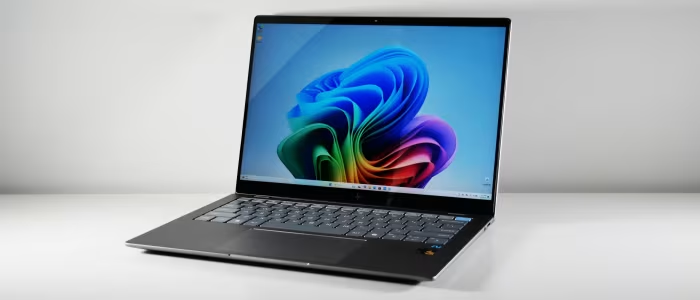
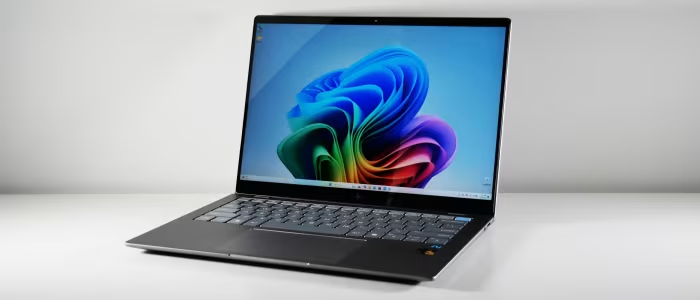
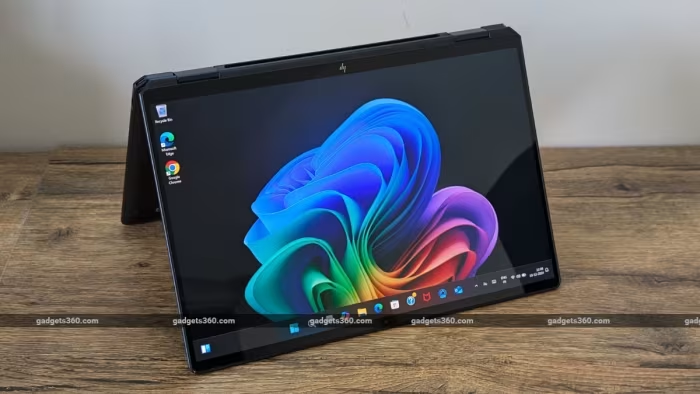
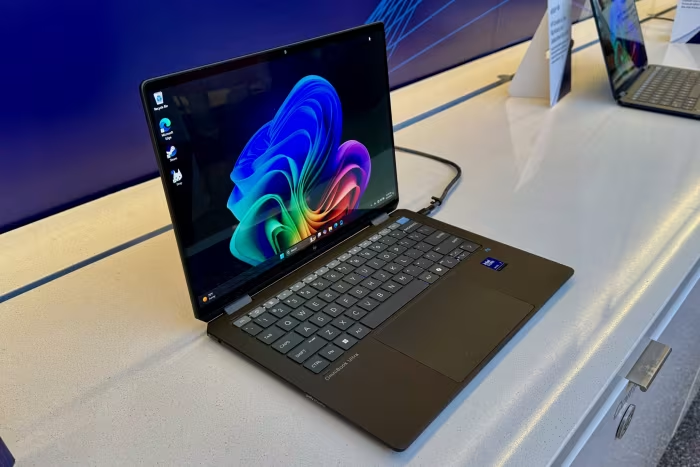
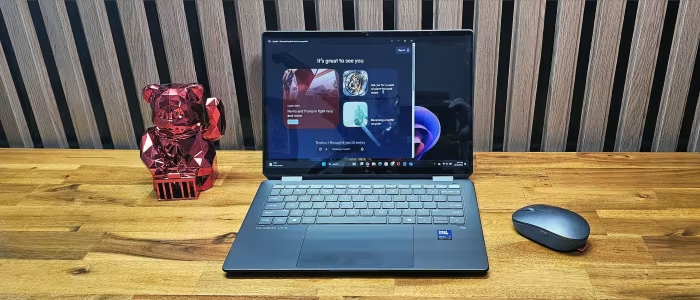
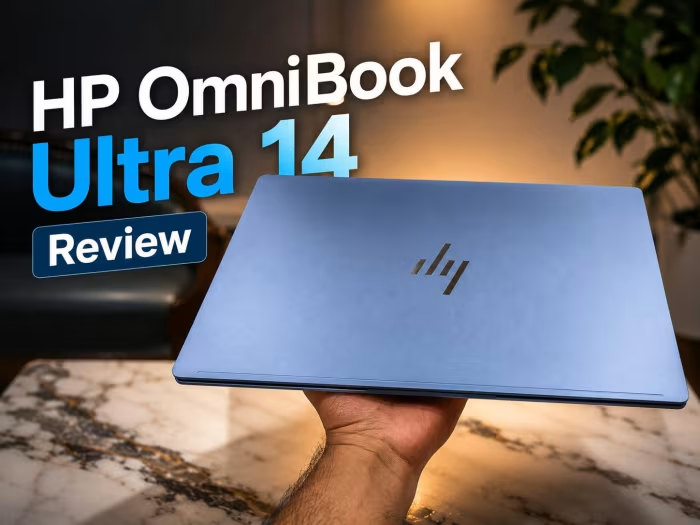
HP OmniBook Ultra 14
A premium 14-inch ultraportable laptop manufactured by HP, designed for high-end productivity and mobile professional use.
How This Score Is Calculated
- Sources analysed: 60 reviews
- Explicit scores: 42 sources (weighted 1.5×)
- Sentiment-only: 18 sources (weighted 1.0×)
- Split: 49 Positive · 7 Mixed · 4 Negative
- Raw weighted average: 8.7
- Prestige bonus +0.2: Editor's Choice from 2+ outlets
- Review period: 2025-10-03 to 2026-09-22
- Value sources: 38 of 60 mentioned price or value
Algorithmically calculated from source data. No manual adjustments.
- Most reviewed featureOLED Display (52/60)
- Most praisedBuild Quality
- Most criticisedPort Selection
- Reviewer consensus levelHigh
- Avg explicit reviewer score8.7/10
- Value for moneyGood Value (7.2/10)
The HP OmniBook Ultra 14 arrives at a pivotal moment in the ultraportable market, where the lines between Windows-based productivity devices and Apple’s M-series silicon have blurred. It positions itself as a luxury contender, leveraging high-end materials and advanced processor architectures to compete directly with flagship machines from Apple, Dell, and Lenovo.
Reviewers highlight the device as a deliberate effort by HP to capture the professional segment by prioritizing thin-and-light aesthetics alongside high-performance internals. As the market shifts toward AI-integrated workflows and prolonged battery reliance, this laptop serves as HP's flagship response to users demanding both portability and the power to handle intensive, non-gaming creative tasks.
🔧 Key Specifications
Specifications sourced from reviewer mentions. Verify with manufacturer for complete details.
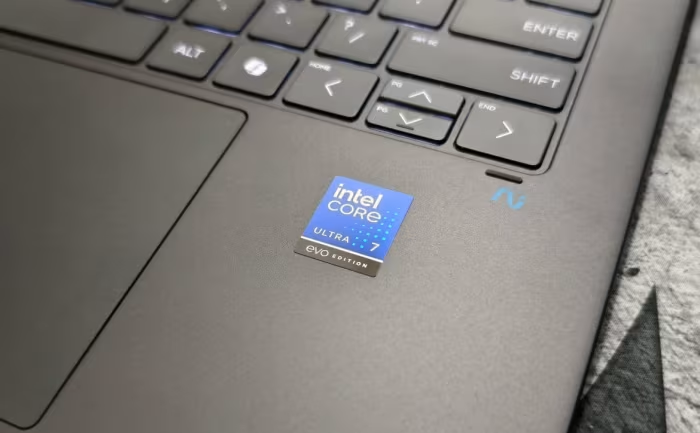
- Processor: Snapdragon X2 Elite / Intel Panther Lake
- RAM: 16GB / 32GB (Soldered)
- Storage: Up to 2TB SSD
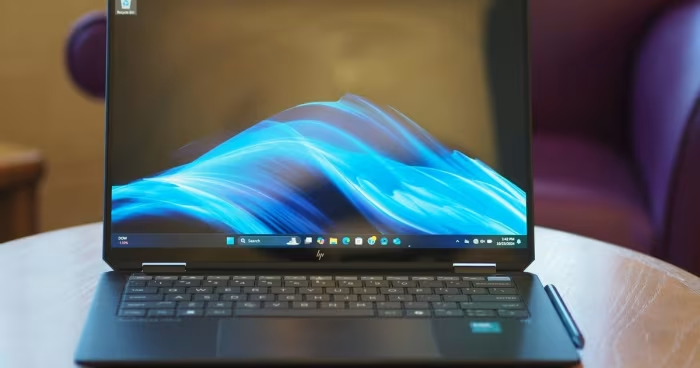
- Display: 14-inch, 3K (2880x1800), OLED, 120Hz
- Brightness: Varies by configuration
- Battery: Up to 19-22 hours (varies by usage)
- Charging: 65W / 100W GaN USB-C
- Main Camera: 5MP with IR (Windows Hello)
- OS: Windows 11
- IP Rating: MIL-STD-810 certified
- Weight: ~1.28 kg
- Build Materials: Forged Aluminum
💲 Price Range
₹1,05,000 – ₹3,57,000
Prices sourced from reviews. Check current retailer pricing.
📊 What Reviewers Say — Feature by Feature
14 features evaluated across 60 sources.
👍 Key Strengths
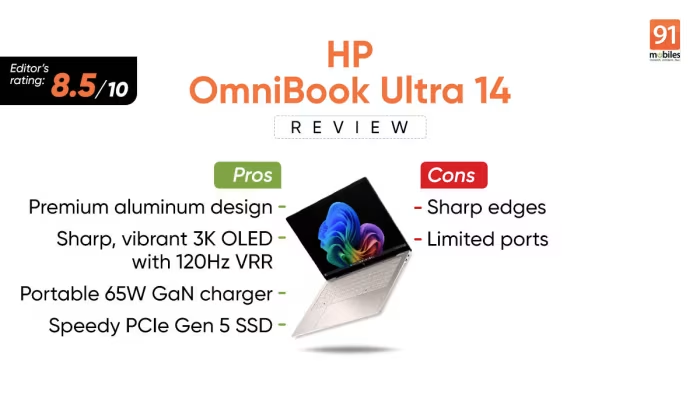
- Stunning 3K 120Hz OLED display
- Premium aluminum build quality
- Exceptional all-day battery life
- Strong multi-core performance
- Quiet and cool thermals
👎 Key Weaknesses
- Limited port selection (no USB-A)
- Non-upgradeable RAM
- Glossy screen reflections
- Inconsistent keyboard backlighting
- High entry price
💰 Value for Money Analysis
Reviewers generally view the OmniBook Ultra 14 as a premium-tier investment. While the MSRP is considered high, performance and build quality justify the cost for professionals, though casual users are advised to seek sale pricing.
Compared to the MacBook Pro or Dell XPS 14, it offers competitive hardware, though the lack of upgradeability is noted as a factor that diminishes its long-term value.
38 of 60 sources commented on price or value.
⚡ Where Reviewers Disagreed
The following areas saw meaningful disagreement across sources.
- Software Compatibility: 15 sources praised the Snapdragon X2 platform's efficiency, while 12 sources warned of potential x86 legacy software issues. The disagreement hinges on the user's specific workflow requirements versus the benefits of the Arm-based architecture. No consistent explanation for the split was evident across sources.
🔎 Reading Between the Reviews
A distinct pattern emerges regarding the OmniBook Ultra 14's target user: reviewers who focus on 'workstation' performance tend to praise the Snapdragon architecture, while those who prioritize 'compatibility' and 'legacy' software (often in more traditional enterprise reviews) emphasize the Intel variants. This suggests that the 'Ultra' label represents two distinct experiences, and the perceived 'value' of the laptop is almost entirely dependent on whether the user's software stack is ARM-native.
🎯 Who This Product Is For
Reviewer recommendations for different target audiences and use cases.
🔀 Alternatives Mentioned by Reviewers
- Apple MacBook Pro 14-inch — The primary benchmark for build quality and efficiency. Reviewers note it maintains a lead in single-core performance and ecosystem integration, though the OmniBook is preferred by those who require a Windows-native environment.
- Dell XPS 14 — A direct design rival. Reviewers often compare the two for build aesthetics, with some finding the XPS keyboard more consistent, while others prefer the OmniBook's thermal management and weight.
- Asus Zenbook S14 — Often cited as a more budget-friendly alternative that shares many of the premium features like the OLED display, making it a stronger choice for users looking to save money without sacrificing too much performance.
- Lenovo Yoga Slim 7x — Praised for its portability, this model is frequently compared for its featherweight chassis, though reviewers note it occasionally struggles with thermal management under heavy stress compared to the HP.
Alternatives sourced exclusively from reviewer mentions.
🛒 Buyer's Guide
✅ Buy This If…
- You prioritize a premium, lightweight design with an exceptional OLED screen.
- You are a professional who requires all-day battery life and high multi-core performance.
- Your software workflow is fully compatible with Windows-on-Arm or modern Intel architectures.
❌ Skip This If…
- You rely heavily on legacy x86-only enterprise software.
- You require built-in HDMI or USB-A ports without carrying adapters.
- You are looking for a gaming-focused machine with a dedicated GPU.
⚠️ Things to Check Before Buying
- Verify that your essential legacy applications are optimized for the Snapdragon/ARM platform.
- Check if the configuration you are buying allows for your required RAM, as it is soldered and non-upgradeable.
- Be prepared to purchase an external hub if you require legacy connectivity.
The HP OmniBook Ultra 14 is an outstanding premium ultraportable that successfully balances high-end performance, a stunning OLED display, and excellent craftsmanship. While its high price and lack of legacy ports serve as primary drawbacks, it remains a top-tier choice for professionals who need a reliable, sleek, and highly efficient machine. It is a compelling alternative to the industry-leading MacBook Pro for users who require a Windows-native experience. For those with specific software needs, ensure you choose the architecture—Intel or Snapdragon—that best aligns with your daily workflow.