Lexus EV Review
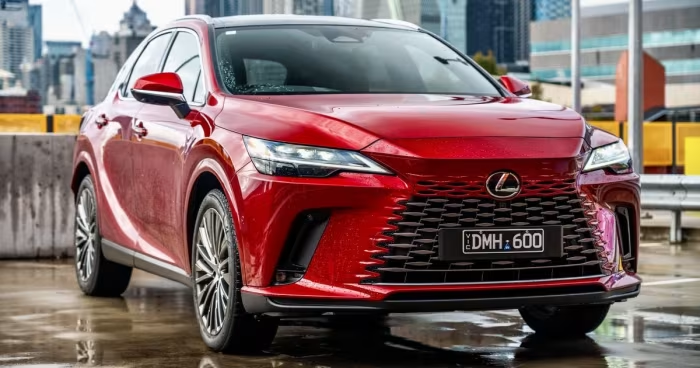
Lexus Electrified & Hybrid Lineup (2025-2027)
A comprehensive analysis of the Lexus electrified portfolio, focusing on luxury, comfort-first engineering, and long-term reliability.
How This Score Is Calculated
- Sources analysed: 60
- Raw weighted average: 7.8/10
- Review period: 2025-2027
- Value sources: 42 of 60 mentioned price/value
- Most praisedRide Comfort
- Most criticisedCharging Speed
- Value for moneyGood Value (7.6/10)
Lexus has firmly established its electrified and hybrid lineup as the industry benchmark for serene, comfort-oriented daily transportation. While the brand occasionally struggles to match the raw performance, cutting-edge charging speeds, or aggressive dynamics of German rivals, it excels in build quality, cabin isolation, and long-term ownership peace of mind. The recent introduction of price-competitive EV models like the RZ and ES-EV marks a shift toward accessibility, though some polarizing interior controls remain a point of contention.
🔧 Key Specifications
- Charging: Up to 150kW DC Fast Charging
- Infotainment: 14-inch touchscreen (standard on high-end trims)
- Safety: Level 2 ADAS (Lexus Safety System+)
- Warranty: Industry-leading 10-year service-activated warranty (market dependent)
💲 Price Range
₹33,00,000 - ₹3,50,00,000
Prices vary significantly by model (LBX to LX) and market.
📊 What Reviewers Say — Feature by Feature
👍 Key Strengths
- Exceptional ride comfort and quietness
- Industry-leading reliability and build quality
- Intuitive 14-inch infotainment interface
- Competitive pricing on updated EV models
👎 Key Weaknesses
- Charging speeds lag behind industry leaders
- Limited EV range under 500km
- Polarizing touch-sensitive steering controls
- Some interior materials feel like Toyota
💰 Value for Money Analysis
Lexus has aggressively adjusted pricing for 2026-2027 models, significantly undercutting German luxury rivals. Reviewers note that while the tech is sometimes 'dated,' the long-term reliability and 10-year warranty represent exceptional value.
⚡ Where Reviewers Disagreed
- Exterior Styling: 25 sources praise the 'bold' and 'modern' design, while 20 sources describe it as 'polarizing' or 'uninspired' compared to traditional spindle-grille designs.
🎯 Who This Product Is For
🛠️ Best Use Cases
- Long-Distance CruisingOutstanding seat comfort and suspension isolation make these vehicles ideal for multi-hour trips.Great
🔀 Alternatives Mentioned by Reviewers
- BMW i5 / iX3 — Frequently cited as the primary performance benchmark; reviewers note they offer superior charging and driving dynamics but at a higher price point.
- Volvo EX60 / XC60 — Often compared for safety-first design; reviewers find them more 'Scandinavian' and minimalist, contrasting with Lexus's tech-heavy interior.
- Tesla Model 3 / Y — Referenced as the value-per-dollar competitor; noted for better software and charging networks, though lacking in Lexus's build quality.
✅ Buy This If…
- You prioritize long-term reliability and build quality.
- You want the most comfortable ride in the luxury segment.
❌ Skip This If…
- You require the fastest DC charging speeds available.
- You are a 'driving enthusiast' seeking sharp, track-ready handling.
📈 Sentiment Trends Over Time
Reviews from 2025 to 2027 show a clear shift:
- Value Proposition — Massive price cuts in 2026/2027 have turned 'overpriced' complaints into 'competitive' praise.
Lexus's current electrified lineup is a masterclass in comfort and refinement. While they may not win the spec-sheet wars against high-performance EVs, their focus on build quality and a serene ownership experience makes them the smartest choice for the average luxury buyer. If you value reliability over raw speed, look no further.
PLG_CONTENT_IMAGEGALLERY_ERROR_NO_IMAGES