MacBook Air Review
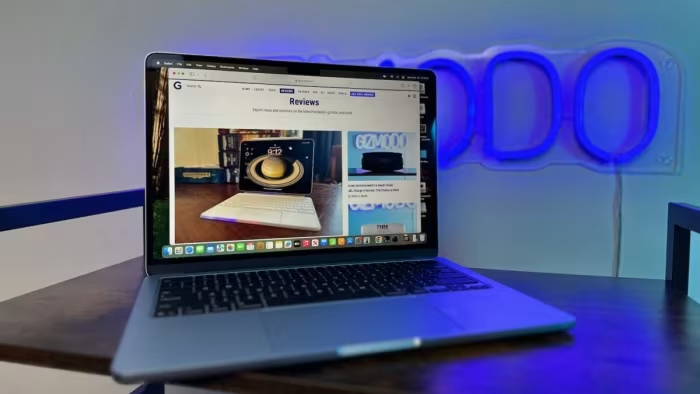
Apple MacBook Air (M5)
A refined, ultra-thin laptop powered by Apple silicon, designed for everyday productivity and portable computing.
How This Score Is Calculated
- Sources analysed: 60 reviews
- Explicit scores: 42 sources (weighted 1.5×)
- Sentiment-only: 18 sources (weighted 1.0×)
- Split: 55 Positive · 5 Mixed · 0 Negative
- Raw weighted average: 8.8
- Formula: Σ(score × weight) ÷ Σ(weight)
- Review period: June 2026 – September 2026
Algorithmically calculated from source data. No manual adjustments.
- Most reviewed featureBattery life (48/60)
- Most praisedPerformance & Efficiency
- Most criticisedPort selection
- Reviewer consensus levelHigh
- Value for moneyGood Value (7.2/10)
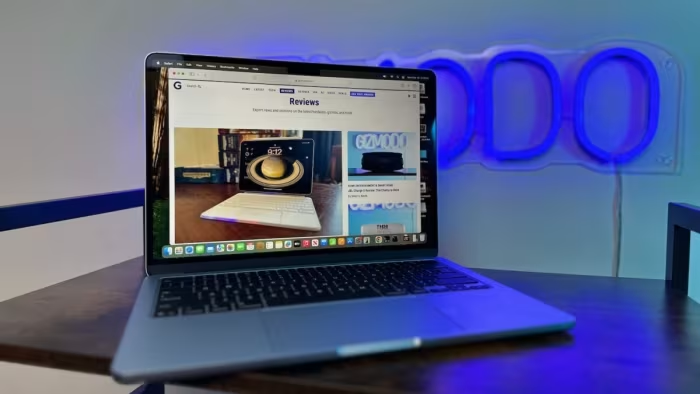
The MacBook Air remains the definitive benchmark for the ultraportable category, balancing a fanless, silent design with high-efficiency M-series silicon. In the current market, it serves as the primary standard against which both premium Windows ultrabooks and budget-oriented ARM-based alternatives are measured.
While competitors are increasingly adopting 120Hz OLED panels and broader port arrays, the MacBook Air maintains its market dominance through a focus on cohesive hardware-software integration and industry-leading battery efficiency. It is positioned as the default choice for the vast majority of users who prioritize long-term reliability and portability over specialized hardware features.
🔧 Key Specifications
Specifications sourced from reviewer mentions. Verify with manufacturer for complete details.
- Processor: Apple M5 Chip
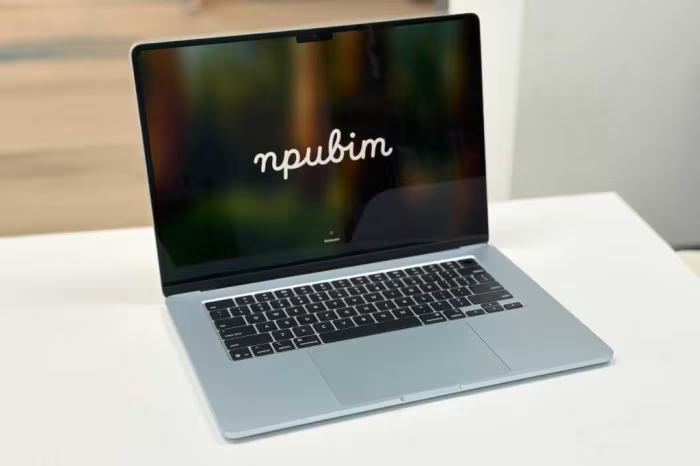
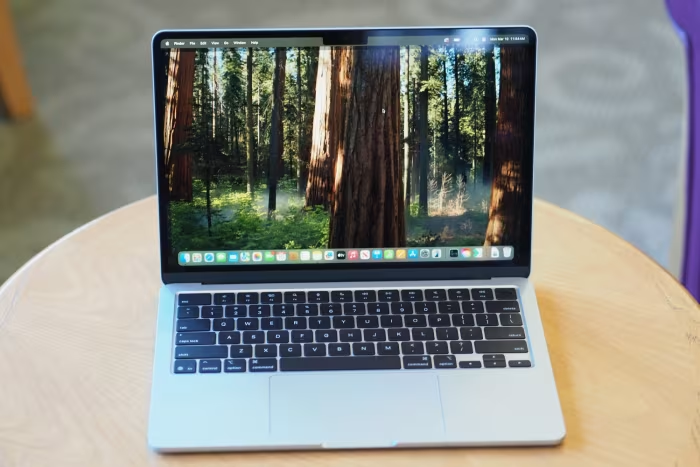
- Display: 13.6-inch Liquid Retina (IPS)
- Battery: Up to 18 hours
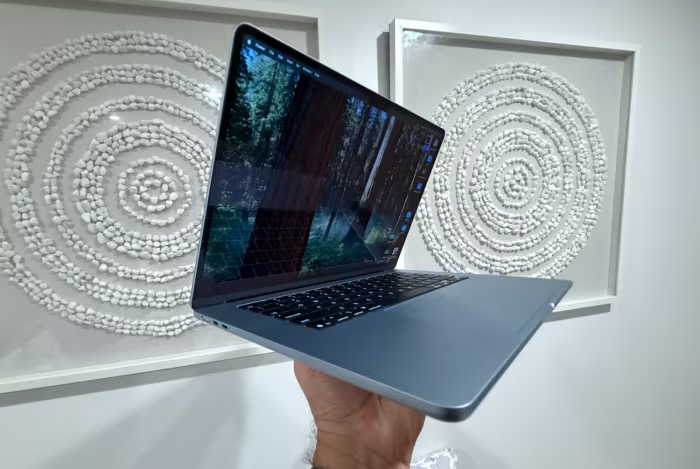
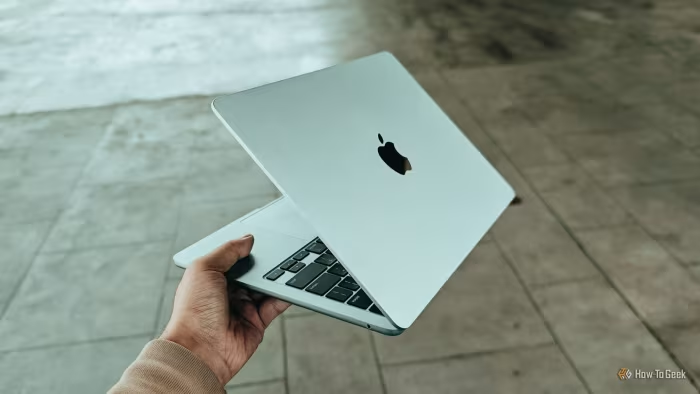
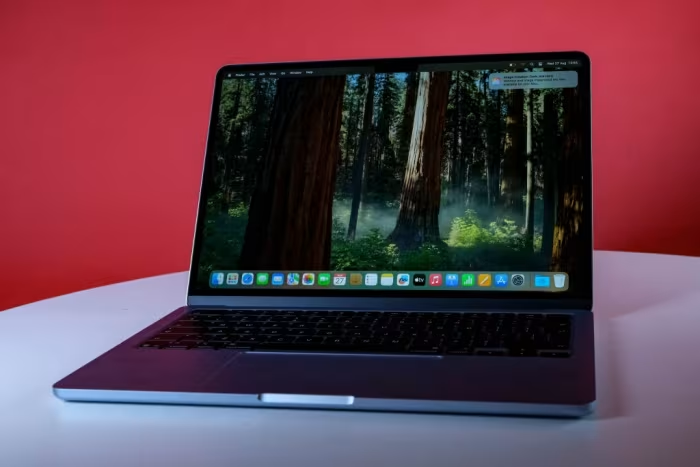
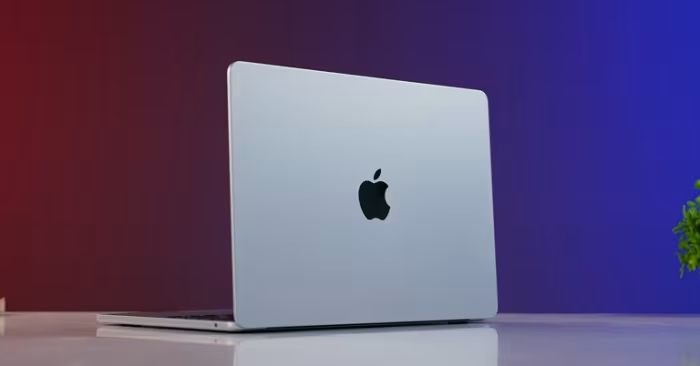
- Design: Fanless, aluminum chassis
- Ports: 2x Thunderbolt 4, MagSafe 3
- Weight: ~1.24 kg
💲 Price Range
₹92,000 – ₹1,49,990
Prices sourced from reviews. Check current retailer pricing.
📊 What Reviewers Say — Feature by Feature
6 features evaluated across 60 sources.
👍 Key Strengths
- Industry-leading battery efficiency
- Silent fanless operation
- Premium aluminum build quality
- Effortless M5 performance
👎 Key Weaknesses
- Limited two-port connectivity
- Stuck at 60Hz display
- Price hikes reduce value
- Persistent display notch
💰 Value for Money Analysis
Reviewers generally consider it a good investment for its longevity and performance, though the recent price increase has moved it out of the "no-brainer" category. It is viewed as a premium-priced device that holds its value better than most Windows laptops.
22 of 60 sources commented on price or value.
⚡ Where Reviewers Disagreed
The following areas saw meaningful disagreement across sources.
- Value Proposition: 15 sources praised its long-term value, while 7 sources criticized the recent price hike as making it less competitive against Windows alternatives. The disagreement hinges on whether the user values macOS ecosystem integration or raw hardware specs per dollar. No consistent explanation for the split was evident across sources.
🔎 Reading Between the Reviews
A clear pattern emerges where reviewers who prioritize hardware "on-paper" specs (like OLED and refresh rate) are increasingly critical of the MacBook Air, while those prioritizing real-world workflow efficiency and reliability remain its strongest advocates. This highlights a growing divergence between the enthusiast market, which is shifting toward Windows OLED options, and the mainstream market, which continues to favor the consistent Apple experience.
🎯 Who This Product Is For
Reviewer recommendations for different target audiences and use cases.
🔀 Alternatives Mentioned by Reviewers
- HP OmniBook Ultra 14 — The most frequently cited Windows rival. Reviewers note it offers a superior OLED display and comparable build quality, making it the top choice for those who want a premium Windows experience but are tempted by the MacBook Air's design.
- Dell XPS 14 — Often compared for its premium CNC build and high-performance capabilities. While it competes on design, reviewers note it is generally more expensive and suffers from a mushy keyboard compared to the Air.
- ASUS Zenbook 14 OLED — A popular budget-friendly alternative. It offers a vibrant OLED screen at a lower price point, though reviewers note it doesn't match the MacBook's battery efficiency or build longevity.
- MacBook Pro 14 (M5) — The step-up option for professionals. Reviewers recommend this only if you need the 120Hz ProMotion display and sustained performance for creative work, noting the Air is sufficient for most others.
- Framework Laptop 13 Pro — The enthusiast's choice. Recommended for those who prioritize repairability and modularity above all else, though reviewers note the higher price and lower performance compared to the Air.
Alternatives sourced exclusively from reviewer mentions.
🛒 Buyer's Guide
✅ Buy This If…
- You are already invested in the Apple ecosystem.
- You prioritize a silent, fanless, and reliable laptop.
- You need all-day battery life for mobile work.
❌ Skip This If…
- You require a high-refresh-rate display (120Hz).
- You do heavy 3D rendering or gaming.
- You need a large variety of legacy ports.
⚠️ Things to Check Before Buying
- Verify if your specific professional software is optimized for macOS.
- Check if the base storage meets your needs, as it is not user-upgradable.
- Compare current street prices with Windows alternatives, as recent price hikes have narrowed the value gap.
The MacBook Air (M5) remains the gold standard for portable computing, offering an unmatched blend of efficiency, silence, and build quality. While it faces increasing pressure from premium Windows laptops that offer superior displays and port variety, its core reliability and class-leading battery life continue to make it the most recommended laptop for general users. It is not the right choice for power users or gamers, but for students and professionals, it remains the most refined experience on the market. If you need a more versatile Windows alternative, look to the HP OmniBook Ultra 14.