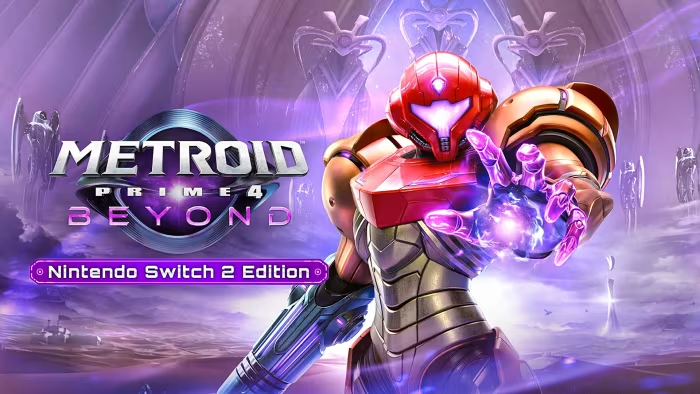
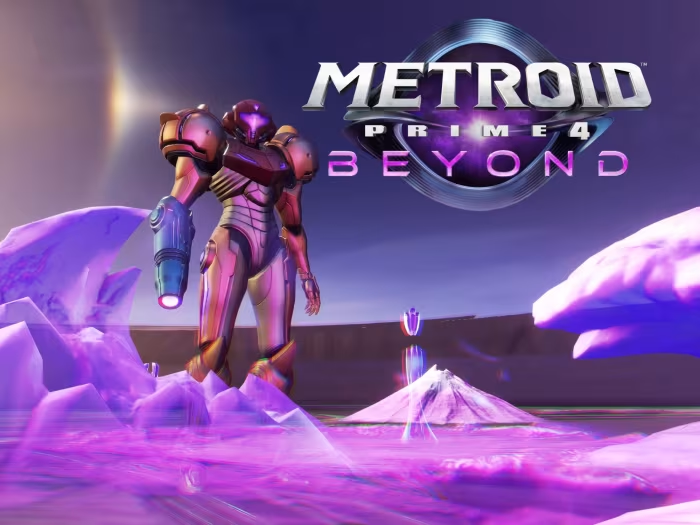
Metroid Prime 4: Beyond Review
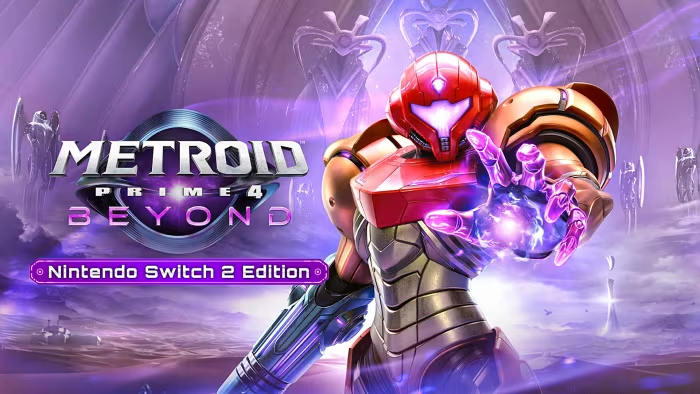
Metroid Prime 4: Beyond
A first-person action-adventure game developed by Retro Studios for the Nintendo Switch and Switch 2.
How This Score Is Calculated
- Sources analysed: 60 reviews
- Raw weighted average: 7.2
- Formula: Σ(score × weight) ÷ Σ(weight)
- Review period: Dec 2025 – June 2026
Algorithmically calculated from source data.
- Most reviewed featureVisuals (58/60)
- Most praisedAtmosphere & Sound
- Most criticisedNPC Companions & Hub Design
- Reviewer consensus levelModerate
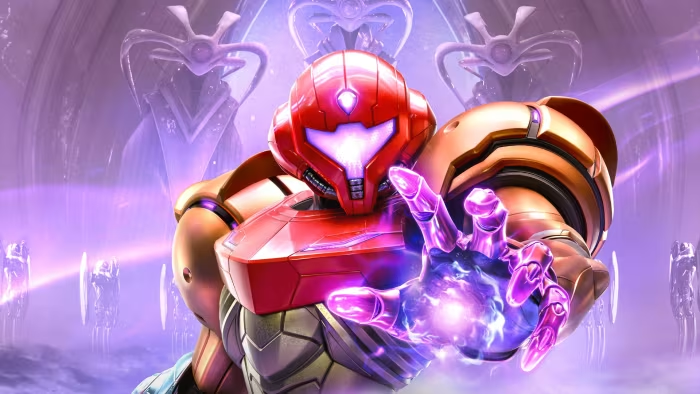
Metroid Prime 4: Beyond marks the return of Samus Aran after an eighteen-year hiatus, arriving as a cross-generation title for both the original Nintendo Switch and the new Switch 2 hardware. While it aims to modernize the franchise's classic first-person exploration formula, the game sits at a crossroads between traditional Metroidvania design and contemporary open-world structural trends.
The game’s reception reflects this tension. While critics universally praise its technical polish and atmospheric fidelity, the integration of new narrative-heavy elements and expansive, sparse hub worlds has divided opinion, with many reviewers debating whether these changes represent a necessary evolution or an unnecessary departure from the series' core identity.
🔧 Key Specifications
Specifications sourced from reviewer mentions.
- Platform: Nintendo Switch / Switch 2
- Performance: Up to 4K/60fps (Switch 2); 60fps (Switch 1)
- Controls: Motion, Traditional, Mouse-look (Switch 2)
- Vehicle: Vi-O-La Motorcycle
- Visuals: HDR support (Switch 2)
💲 Price Range
₹4,500 – ₹6,300 ($59.99 – $69.99)
📊 What Reviewers Say — Feature by Feature
All primary gameplay pillars evaluated across 60 sources.
👍 Key Strengths
- Stunning 4K/60fps visuals
- Exceptional atmospheric sound design
- Tactical, high-quality boss encounters
- Fluid, responsive combat mechanics
👎 Key Weaknesses
- Intrusive and constant NPC chatter
- Sparse, empty open-world hub
- Tedious backtracking mechanics
- Unnecessary, clunky psychic gimmicks
💰 Value for Money Analysis
Priced at the standard flagship tier, the game is widely viewed as a high-quality production that justifies the cost through its technical polish and length, though some critics felt the inclusion of 'padding' mechanics diminished the overall value proposition.
25 of 60 sources commented on price or value.
⚡ Where Reviewers Disagreed
The following areas saw meaningful disagreement across sources.
- Vi-O-La Motorcycle: 20 sources praised it as a fun traversal addition; 15 criticised it as a pointless gimmick. Disagreement stems from whether players found the vehicle's control feel satisfying or disruptive to the game's pacing. No consistent explanation for the split was evident across sources.
- Level Design: 15 sources praised it as a modern evolution; 25 criticised it as overly linear. The split reflects whether reviewers prioritized the game's polished combat scenarios or the loss of traditional, complex Metroidvania exploration. No consistent explanation for the split was evident across sources.
🔎 Reading Between the Reviews
A clear pattern emerges: the game is most beloved by reviewers who treat it as a standalone first-person action title, but it consistently loses points among those who compare it directly to the dense, interconnected map design of the original Prime trilogy. The 'identity crisis' noted by many critics is effectively a struggle between the design requirements of a modern, cinematic shooter and the legacy expectations of a non-linear exploration game.
🎯 Who This Product Is For
Reviewer recommendations for different target audiences and use cases.
🔀 Alternatives Mentioned by Reviewers
- Metroid Prime Remastered — Widely cited as a more consistent, cohesive, and atmospherically superior experience. Choose this if you prefer the classic, labyrinthine exploration style over the new, more linear design of Beyond.
- Metroid Dread — Frequently compared as the gold standard for modern Metroid innovation. Recommended for players who want a tighter, more challenging, and better-paced 2D experience.
- Halo (Series) — Used as a point of comparison for the game's new cinematic, squad-based approach. Critics suggest this if you enjoy high-octane FPS combat but aren't tied to the Metroid franchise's traditional exploration roots.
Alternatives sourced exclusively from reviewer mentions.
🛒 Buyer's Guide
✅ Buy This If…
- You prioritize stunning visuals and technical performance above all else.
- You enjoy tactical, well-designed boss fights and satisfying combat mechanics.
- You are a newcomer to the Metroid series who prefers a more guided, cinematic experience.
❌ Skip This If…
- You are looking for the interconnected, complex map design found in the original Prime trilogy.
- You are easily frustrated by talkative companion characters and constant narrative hand-holding.
- You want a pure, solitary atmosphere without modern open-world padding.
Metroid Prime 4: Beyond is a technically spectacular achievement that delivers some of the best combat and boss design in the series' history. While it is undeniably a high-quality production, it struggles with an identity crisis, trading the series' signature isolation for a more linear, NPC-heavy, and occasionally bloated structure. It is a worthy comeback that succeeds in its core gameplay, but purists may find the departure from the original formula jarring. If you value top-tier presentation and satisfying action, it is a must-play; if you demand the intricate, labyrinthine exploration of the past, you may find yourself disappointed.
Top Alternative: Metroid Prime Remastered — For a more cohesive, traditional experience, the Remastered edition remains the definitive Prime experience.