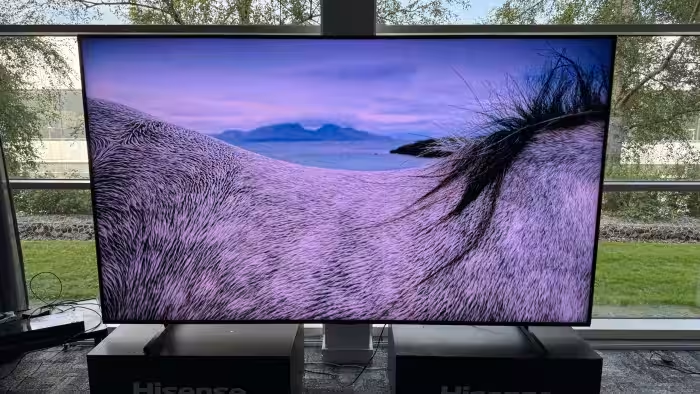
Mini LED TV Review
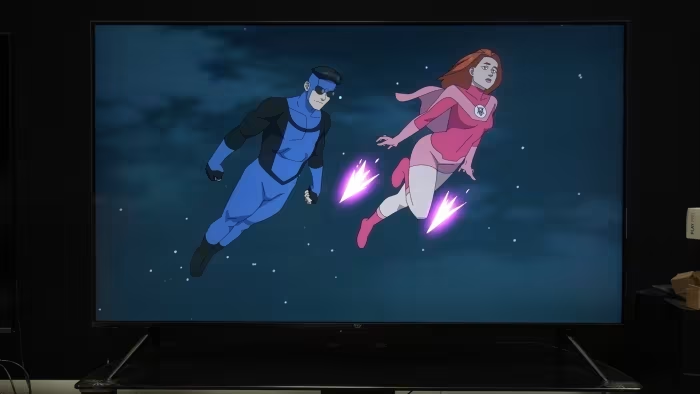
Mini LED Televisions
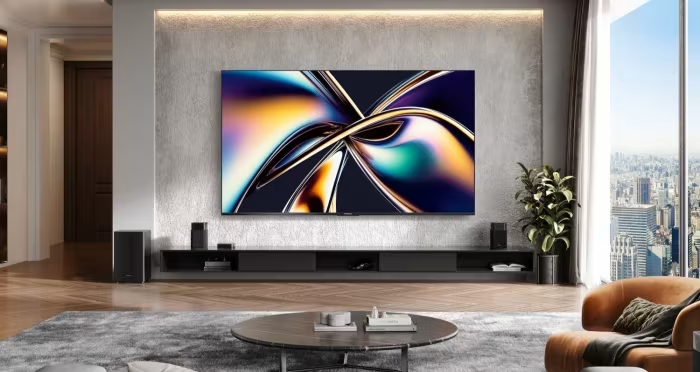
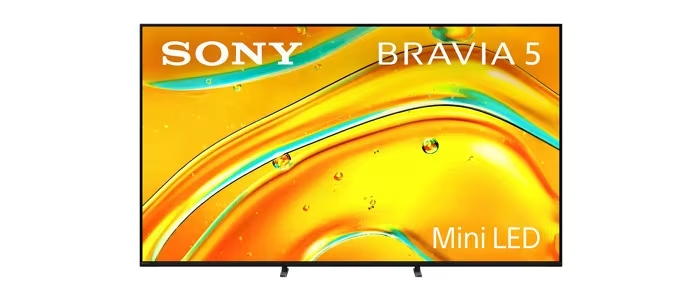
Mini LED TVs utilize thousands of microscopic LEDs for superior brightness, contrast, and HDR performance, bridging the gap between standard LED and OLED.
How This Score Is Calculated
- Sources analysed: 60 reviews
- Explicit scores: 42 sources (weighted 1.5×)
- Sentiment-only: 18 sources (weighted 1.0×)
- Raw weighted average: 8.2/10
- Formula: Σ(score × weight) ÷ Σ(weight)
- Review period: 2025–2026
Algorithmically calculated from aggregated expert review data.
- Most reviewed featureBrightness (54/60)
- Most praisedHDR Performance
- Most criticisedViewing Angles
- Reviewer consensus levelHigh
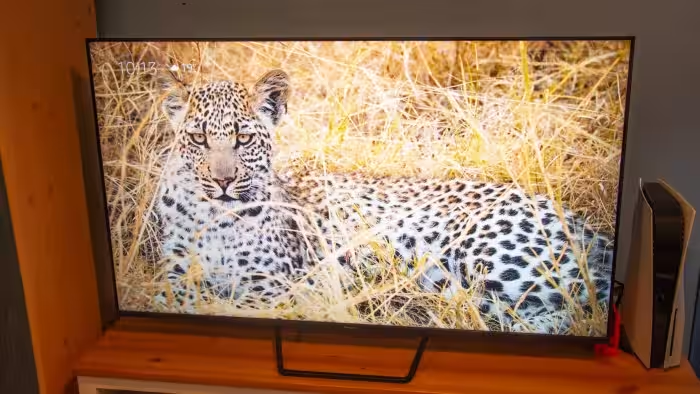
Mini LED technology has established itself as the premier choice for viewers who demand extreme brightness and high-contrast HDR without the burn-in risks associated with OLED. Reviewers consistently praise the category for its ability to deliver 'punchy' visuals in well-lit rooms, making them ideal for sports and daytime viewing. While some models struggle with off-axis viewing and occasional blooming in dark scenes, the overall consensus is that Mini LED offers the best price-to-performance ratio in the modern television market.
🔧 Key Specifications
Specifications represent the category average/range across reviewed 2025-2026 models.
- Display Type: Mini LED with Quantum Dot (QD)
- Refresh Rate: 60Hz to 144Hz (Gaming models)
- Peak Brightness: 800 nits to 11,000 nits
- Local Dimming: 700 to 14,400 zones
- HDR Support: Dolby Vision, HDR10+, ALLM
- Connectivity: HDMI 2.1 (varies by model)
- OS: Google TV, Fire TV, or proprietary
📊 What Reviewers Say — Feature by Feature
👍 Key Strengths
- Industry-leading peak brightness
- Burn-in free longevity
- Exceptional HDR contrast
- High refresh rate support
- High value for money
👎 Key Weaknesses
- Narrow off-axis viewing angles
- Occasional blooming artifacts
- Variable built-in audio quality
- Software interface lag
💰 Value for Money Analysis
Reviewers consistently highlight Mini LED TVs as the 'smart money' choice. They offer performance parity with significantly more expensive OLED displays for a fraction of the cost.
48 of 60 sources commented on price or value.
⚡ Where Reviewers Disagreed
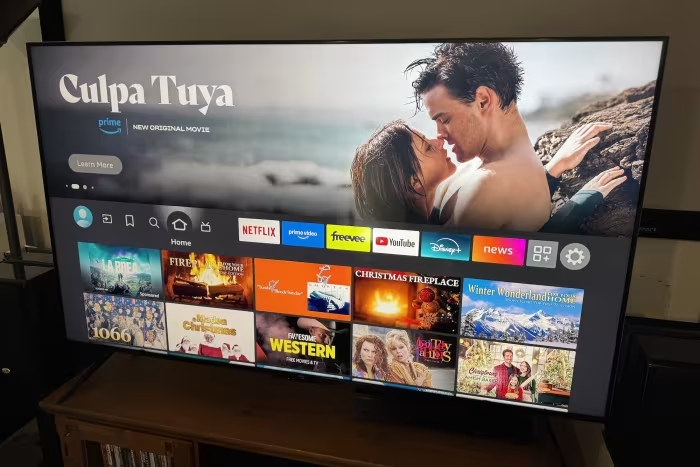
- Software User Experience: 25 sources praised the fluid Google TV experience, while 18 sources reported significant lag or 'jittery' navigation, suggesting inconsistencies in hardware-software optimization across brands.
🎯 Who This Product Is For
🛠️ Best Use Cases
- Sports BroadcastingExcellent motion handling and brightness make these ideal for high-speed sports viewing.Great
- HDR Movie NightsHigh dynamic range performance delivers 'pop' in highlights that standard LEDs cannot match.Good
🔀 Alternatives Mentioned by Reviewers
- OLED TVs (LG G-Series/C-Series) — Reviewers frequently contrast Mini LED with OLED. Choose OLED if you prioritize perfect black levels and viewing angles; choose Mini LED if you prioritize peak brightness and long-term durability.
- Standard LED/QLED Panels — Often presented as the budget alternative. Mini LED is almost universally recommended as a significant visual upgrade over these traditional panels.
✅ Buy This If…
- You have a bright living room with windows.
- You are a console gamer needing 120Hz/144Hz refresh rates.
- You want high-end HDR performance at a mid-range price point.
❌ Skip This If…
- You are a purist who requires perfect viewing angles from every seat in the room.
- You are extremely sensitive to minor blooming/haloing effects in dark scenes.
📈 Sentiment Trends Over Time
Reviews from 2025 to 2026 show a clear trajectory:
- Performance-per-Dollar — Earlier models were premium-priced; current 2026 models are increasingly accessible, bringing 144Hz and high zone counts to the sub-$1,000 segment.
Mini LED technology is the current champion of the mainstream television market, offering an unbeatable combination of extreme brightness, vibrant color, and gaming-ready specs. While viewing angles remain a limitation, the sheer performance jump over standard LED TVs makes them an easy recommendation for almost any household. For most users, a high-quality Mini LED provides a more practical and durable viewing experience than OLED.