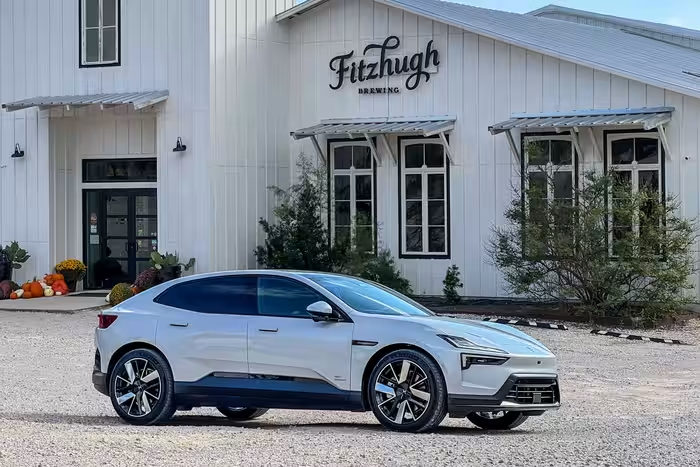
Polestar 4 Review

Polestar 4 (2026)
A stylish, performance-oriented electric coupe-SUV bridging the gap between the Polestar 2 and 3 with radical design choices.
How This Score Is Calculated
- Sources analysed: 18 reviews
- Sentiment-only: 18 sources (weighted 1.0×)
- Split: 12 Positive · 4 Mixed · 2 Negative
- Raw weighted average: 7.2
- Final score: 7.2/10 (rounded)
- Most reviewed featureRear visibility (18/18)
- Most praisedInterior design
- Most criticisedNo rear window
- Reviewer consensus levelModerate
The Polestar 4 is a bold, design-forward electric coupe-SUV that prioritizes minimalist Scandinavian aesthetics and cabin spaciousness. Its most defining and controversial feature—the complete omission of a rear window in favor of a camera-based system—divides opinion but works surprisingly well once adjusted to. While it delivers strong dual-motor performance and a high-quality interior, it is frequently criticized for its reliance on frustrating touch-based interfaces and a lack of physical controls.
🔧 Key Specifications
- Display: 15.4-inch central touchscreen, 14.7-inch head-up display
- OS: Android Automotive OS with Google Built-in
- Performance: Dual-motor configuration (noted for 'brutal' acceleration)
- Audio: Harman Kardon system
- Build Materials: Sustainable/recycled materials, Nappa leather options
💲 Price Range
Approximately ₹48,50,000 to ₹78,30,000
Prices sourced from multiple reviews; vary by region and configuration.
📊 What Reviewers Say — Feature by Feature
Key features evaluated across 18 sources.
👍 Key Strengths
- Striking minimalist design
- Impressive dual-motor acceleration
- Spacious, high-quality cabin
- Seamless Android Automotive OS
- Comfortable, supportive seating
👎 Key Weaknesses
- No physical rear window
- Frustrating screen-reliant controls
- Inconsistent ADAS performance
- Limited front cargo space
- Wind noise at highway speeds
💰 Value for Money Analysis
Reviewers generally view the Polestar 4 as a competitive choice in the premium segment, often citing it as better value than higher-priced rivals like the BMW i4 M60 or Porsche Macan EV.
12 of 18 sources commented on price or value.
⚡ Where Reviewers Disagreed
The following areas saw meaningful disagreement across sources.
- Driving Dynamics: 8 sources praised the 'engaging' and 'sporty' handling, while 6 sources found the experience 'numb' or 'lacking the sharpness' of a Porsche Macan.
🎯 Who This Product Is For
🛠️ Best Use Cases
- City Commuting Excellent for urban environments where the tech-forward interface and camera systems are leveraged. Great
- Long-Distance Travel Comfortable seating and good range make it a solid highway cruiser, though wind noise is a noted drawback. Good
🔀 Alternatives Mentioned by Reviewers
- Porsche Macan Electric — Cited as the gold standard for driving engagement, though significantly more expensive. Choose this if performance and brand prestige are your top priorities.
- Tesla Model Y — Frequently compared as the primary market competitor; it offers better range and a more established ecosystem but lacks the premium interior feel of the Polestar.
- Audi Q6 e-tron — A more traditional luxury crossover alternative that provides familiar ergonomics and physical controls for those who dislike the Polestar's screen-heavy approach.
- Genesis GV60 — Aligns closely with the Polestar in terms of size and market positioning, offering a more traditional, albeit still high-tech, cabin experience.
- BMW iX3 — A more conservative, conventional luxury SUV choice compared to the futuristic, windowless design of the Polestar.
- Ford Mustang Mach-E — Competes directly on performance, size, and styling, serving as a more readily available, mainstream-leaning alternative.
✅ Buy This If…
- You value cutting-edge, minimalist interior design.
- You want a spacious cabin with excellent rear legroom.
- You prefer a high-performance EV that stands out from the crowd.
❌ Skip This If…
- The absence of a physical rear window is a dealbreaker.
- You strongly prefer physical buttons over touchscreen-only controls.
- You require maximum front cargo (frunk) space.
⚠️ Things to Check Before Buying
- Test the digital rearview mirror extensively to see if your eyes adjust to the lack of a rear window.
- Verify your local service center access, as some reviewers noted long wait times for appointments.
📈 Sentiment Trends Over Time
Reviews span 2025–2026. Early impressions highlighted the design innovation, while long-term reviews have increasingly focused on the frustration of screen-only controls.
The Polestar 4 is a compelling, high-performance EV for buyers who prioritize design and interior comfort above all else. While its controversial rear-windowless design is surprisingly functional, the reliance on a screen-heavy interface remains its most significant weakness. If you can adapt to the digital-first control scheme, it offers a distinct, premium experience that stands apart from the Tesla Model Y. For those seeking traditional driving engagement, the Porsche Macan Electric remains the superior, albeit pricier, alternative.