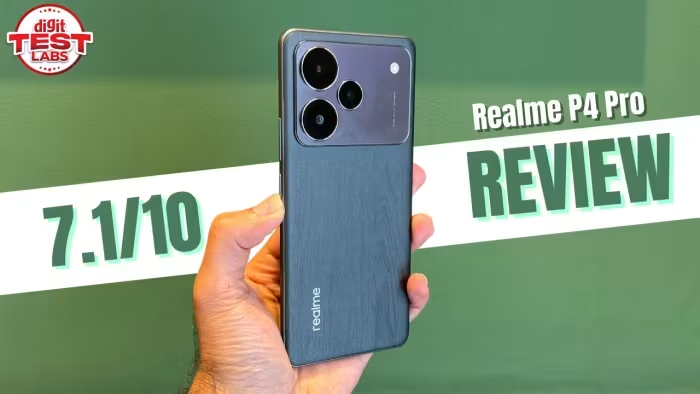
Realme P4 Pro Review
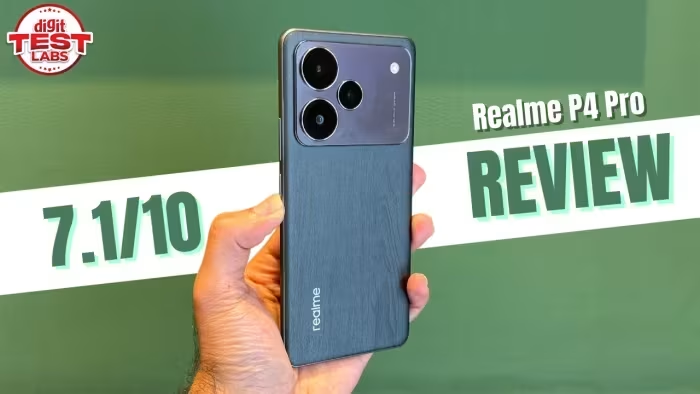
Realme P4 Pro
A performance-focused mid-range smartphone featuring a massive 7,000mAh battery and a high-refresh-rate 1.5K AMOLED display.
How This Score Is Calculated
- Sources analysed: 15 reviews
- Explicit scores: 8 sources (weighted 1.5×)
- Sentiment-only: 7 sources (weighted 1.0×)
- Split: 11 Positive · 3 Mixed · 1 Negative
- Raw weighted average: 7.8
- Formula: Σ(score × weight) ÷ Σ(weight)
- Value sources: 9 of 15 mentioned price or value
- Final score: 7.8/10 (clamped, rounded to 1 decimal)
Algorithmically calculated from source data. No manual adjustments.
- Most reviewed featureBattery (15/15)
- Most praisedDisplay Quality
- Most criticisedBloatware
- Reviewer consensus levelHigh
- Value for moneyGood Value (7.5/10)
The Realme P4 Pro is a battery-centric mid-ranger that excels at media consumption and gaming, thanks to its vibrant 144Hz 1.5K AMOLED display. While it offers impressive hardware for the price, the experience is frequently hampered by heavy software bloatware and inconsistent camera performance. It is an ideal choice for power users who prioritize longevity and screen quality over a clean software interface.
🔧 Key Specifications
Specifications sourced from reviewer mentions. Verify with manufacturer for complete details.
- Processor: Snapdragon 7 Gen 4 with Dual-Chip Gaming boost
- Storage: UFS 3.1
- Display: 6.7-6.8 inch 1.5K AMOLED, 144Hz, up to 6,500 nits peak brightness
- Battery: 7,000mAh
- Charging: 80W Wired
- Main Camera: 50MP with OIS
- OS: Realme UI
- IP Rating: IP66 (some models mentioned IP65/66/68/69)
- Build Materials: Polycarbonate/Plastic
- Connectivity: 5G, NFC (varies by region)
💲 Price Range
₹24,500 - ₹28,999
Prices sourced from reviews. Check current retailer pricing.
📊 What Reviewers Say — Feature by Feature
10 features evaluated across 15 sources.
👍 Key Strengths
- Industry-leading 7,000mAh battery life
- Stunning 144Hz 1.5K AMOLED display
- Capable Snapdragon 7 Gen 4 performance
- Fast 80W charging support
- Effective thermal management for gaming
👎 Key Weaknesses
- Heavy software bloatware
- Inconsistent camera color processing
- Plastic build feels less premium
- Lack of stereo speakers
- Bulky, heavy form factor
💰 Value for Money Analysis
Reviewers generally view the Realme P4 Pro as a strong value proposition, particularly for those prioritizing battery and display specs. While the build materials are modest, the core internal hardware justifies the sub-₹25,000 price point.
9 of 15 sources commented on price or value.
⚡ Where Reviewers Disagreed
The following areas saw meaningful disagreement across sources.
- IP Rating: 5 sources praised the IP66/68/69 resistance, while 2 sources criticized the lack of high-tier IP68 protection, highlighting confusion or variation in marketing/regional specs.
- Gaming Performance: 8 sources praised the dual-chip setup as a gaming advantage, while 3 sources labeled the AI frame generation as a 'gimmick' that adds input latency.
🎯 Who This Product Is For
Reviewer recommendations for different target audiences and use cases.
🛠️ Best Use Cases
- Mobile GamingDual-chip design handles demanding games well, though frame booster is controversial.Great
- Media ConsumptionThe high-brightness 144Hz display is perfect for movies and social media feeds.Great
- Travel/On-the-GoThe massive 7,000mAh battery eliminates the need for frequent charging while traveling.Great
🔀 Alternatives Mentioned by Reviewers
Maximise this list. Include EVERY single competitor, rival, or alternative product mentioned in any of the source reviews.
- Redmi Note 15 Pro — Cited as offering a more balanced camera and build quality for a similar price.
- Motorola Edge 70 / 60 Fusion — Frequently compared as an alternative; some reviewers prefer the Edge series for cleaner software or better AI integration, though the P4 Pro often wins on raw battery life.
- Nothing Phone (3a) — Recommended for users who prioritize a clean, unique software experience over the brute-force battery specs of the Realme.
- OnePlus Nord CE5 — A direct competitor in the mid-range segment offering a different balance of performance and aesthetics.
- iQOO Neo 10R — A major gaming rival; while the P4 Pro has a brighter screen and better design, the Neo 10R is noted for superior raw benchmark performance.
- Samsung Galaxy M47 — Mentioned as a competitor with a different feature set; the P4 Pro is generally cited as having higher spec scores.
- Tecno Camon Slim & Vivo Y500 — Mentioned in comparative performance reviews where the P4 Pro was noted for higher overall hardware specifications.
Alternatives sourced exclusively from reviewer mentions.
🛒 Buyer's Guide
✅ Buy This If…
- You prioritize battery life above all other features.
- You want the brightest, fastest display available in the sub-₹25,000 segment.
- You are a mobile gamer who appreciates hardware-level cooling.
❌ Skip This If…
- You prefer a clean, stock-like Android software experience.
- You need a lightweight, compact phone for one-handed use.
- You are a professional photographer who requires consistent color accuracy.
⚠️ Things to Check Before Buying
- Be prepared to spend time removing pre-installed bloatware apps upon setup.
- Check regional specs for NFC and IP rating, as these features appear to vary across models.
- Note that the 'frame generation' feature is often considered a marketing gimmick rather than a true performance upgrade.
📈 Sentiment Trends Over Time
Reviews span 2025-2026. The following changes were detected:
- Camera Perception — Earlier reviews were more critical of color saturation, while later long-term reviews noted that software updates have improved the consistency of the 50MP main sensor.
The Realme P4 Pro succeeds as a high-endurance mid-ranger that offers unmatched battery capacity and an industry-leading display. While the software experience is cluttered and the build is undeniably plastic, the raw value for gamers and heavy users is difficult to ignore. If you can overlook the bloatware, it is one of the most capable multimedia devices in its price bracket.
Top Alternative: iQOO Neo 10R — Choose this instead if you prioritize raw benchmark performance over display brightness and battery capacity.