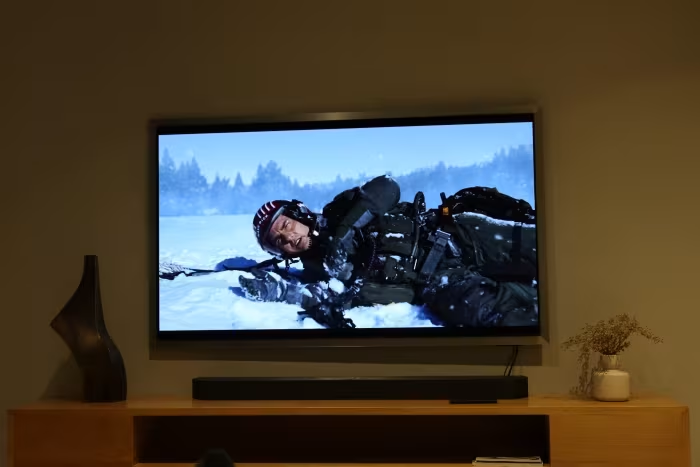
Samsung OLED TV Review
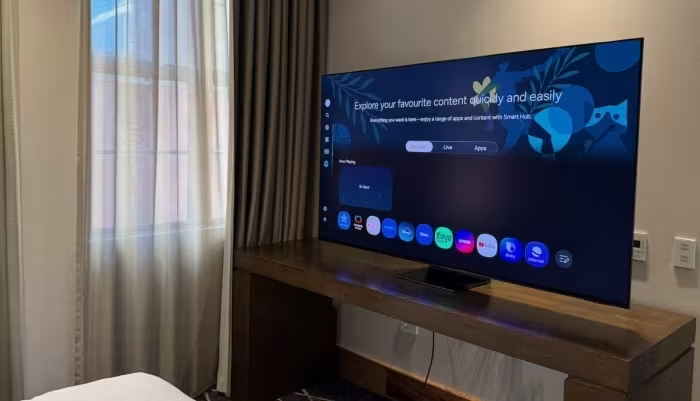
Samsung OLED TV Series (2022-2026)
A range of premium QD-OLED and OLED televisions by Samsung, blending industry-leading brightness with advanced gaming and art-centric design.
How This Score Is Calculated
- Sources analysed: 27 reviews
- Explicit scores: 18 sources (weighted 1.5×)
- Sentiment-only: 9 sources (weighted 1.0×)
- Split: 21 Positive · 4 Mixed · 2 Negative
- Raw weighted average: 8.4
- Formula: Σ(score × weight) ÷ Σ(weight)
- Prestige bonus +0.2: Editor's Choice from 2+ outlets
- Final score: 8.4/10 (clamped, rounded to 1 decimal)
- Most reviewed featureBrightness (27/27)
- Most praisedPeak Brightness
- Most criticisedLack of Dolby Vision
- Reviewer consensus levelHigh
- Avg explicit reviewer score8.4/10
- Value for moneyGood Value (7.2/10)
Samsung’s OLED lineup has established itself as the industry benchmark for brightness and gaming performance in the OLED space. While the absence of Dolby Vision remains a point of contention for cinephiles, the series excels with its class-leading anti-glare technology and vibrant QD-OLED color reproduction. It is a top-tier choice for users who prioritize daytime viewing and high-refresh-rate gaming, though the Tizen interface remains a recurring frustration.
🔧 Key Specifications
- Display: QD-OLED / OLED, 4K resolution
- Refresh Rate: Up to 165Hz
- Brightness: Industry-leading peak HDR brightness
- Gaming: HDMI 2.1 (up to 8 ports on some models), G-Sync, FreeSync
- Smart OS: Tizen
- HDR: HDR10+, No Dolby Vision
- Connectivity: AirPlay 2, Alexa, Bixby, SmartThings/Matter
- Remote: Solar-powered
💲 Price Range
₹68,500 – ₹7,50,000
Prices vary significantly based on model year (S85/S90/S95 series) and screen size.
📊 What Reviewers Say — Feature by Feature
👍 Key Strengths
- Industry-leading peak brightness
- Superior gaming specs (165Hz)
- Effective anti-glare screen coating
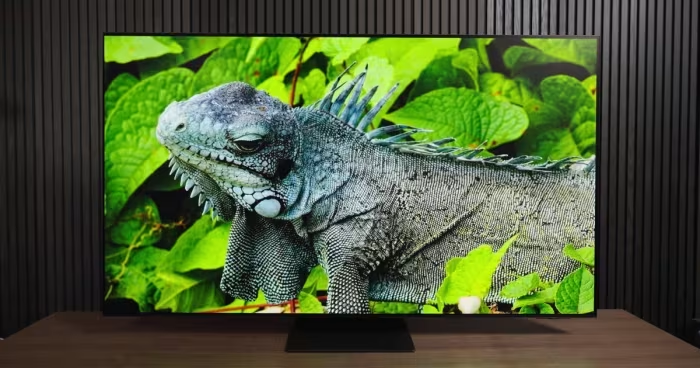
- Vibrant QD-OLED color volume
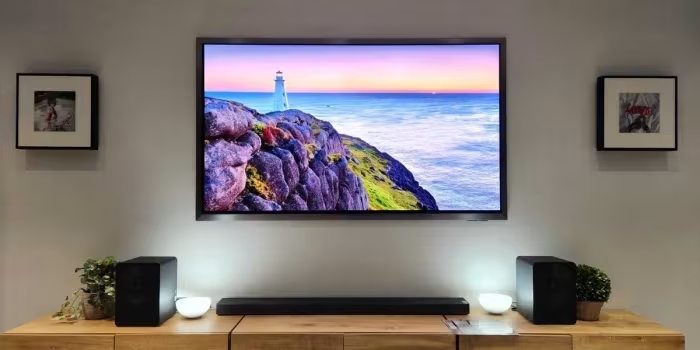
- Sleek, modern design aesthetics
👎 Key Weaknesses
- No Dolby Vision support
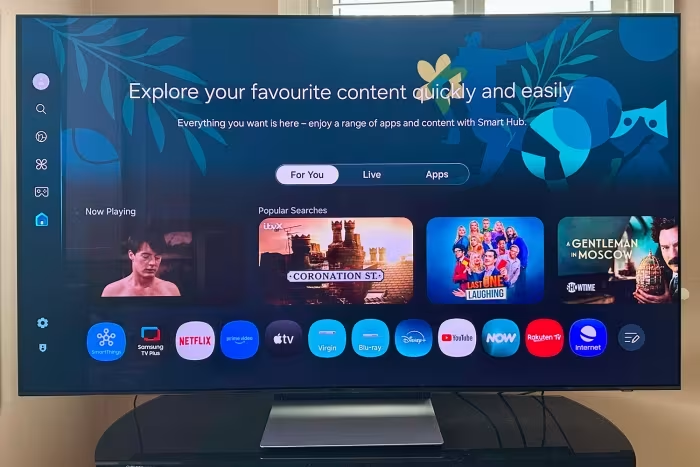
- Frustrating, cluttered Tizen interface
- Matte coatings can lift black levels
- High premium price point
- Inconsistent panel naming
💰 Value for Money Analysis
Reviewers note that while the flagship S95 series commands a high 'premium tax,' the S90 and S85 series offer nearly identical performance for significantly less, representing excellent value for most shoppers.
27 of 27 sources commented on price or value.
⚡ Where Reviewers Disagreed
The following areas saw meaningful disagreement across sources.
- Anti-Glare Coating: 19 sources praised the effectiveness of the matte/anti-glare finish in bright rooms, while 8 sources criticized it for slightly lifting black levels or affecting the overall perceived contrast of the OLED panel.
🎯 Who This Product Is For
🛠️ Best Use Cases
- GamingExceptional input lag and high refresh rates make it perfect for console and PC gaming.Great
- Daytime ViewingHigh brightness and anti-reflection coatings ensure visibility in sunlit living rooms.Great
- Art DisplayThe Art Store features allow the TV to function as a digital frame when not in use.Good
🔀 Alternatives Mentioned by Reviewers
- LG C-Series (C1/C2/C6): Frequently cited as the primary alternative, offering Dolby Vision support and often a more competitive price point for similar picture quality. Choose this if you prioritize HDR format compatibility over peak brightness.
- Sony Bravia Series: Often compared for color accuracy and processing. Recommended for users who prioritize 'filmmaker intent' and natural color reproduction over raw punchiness.
- Panasonic Z95B: Compared favorably in terms of peak brightness, though cited as a less widely available alternative.
- Hisense UR9: Mentioned as a budget-conscious alternative that manages spatial imaging, though it generally falls behind in premium build and peak performance metrics.
- LG G-Series: Noted for better black level retention in lit rooms, making it a strong competitor for those who dislike Samsung's matte anti-glare finish.
Alternatives sourced exclusively from reviewer mentions.
✅ Buy This If…
- You play high-end games and need 165Hz support.
- You have a bright living room that makes traditional OLEDs look dim.
- You value cutting-edge brightness over universal HDR format support.
❌ Skip This If…
- Dolby Vision support is a non-negotiable requirement for your media library.
- You are on a budget and don't need top-tier brightness.
- You prefer a glossy screen over a matte/anti-glare finish.
⚠️ Things to Check Before Buying
- Verify the exact model code as specifications vary by screen size and region.
- Check if your preferred streaming services support HDR10+ to compensate for the lack of Dolby Vision.
- Assess if your wall-mounting setup allows for the specific frame design of the S95 series.
📈 Sentiment Trends Over Time
Reviews span 2022 to 2026. The following changes were detected:
- Brightness — Samsung has consistently increased peak HDR brightness year-over-year, moving from industry-leading to record-setting territory.
- Interface Frustration — Despite software updates, the Tizen interface remains a consistent pain point across all model years.
The Samsung OLED series is a powerhouse of brightness and gaming performance, setting the standard for how OLEDs can perform in well-lit environments. While the lack of Dolby Vision remains an unfortunate oversight, the overall visual impact, color volume, and gaming utility make these TVs a top-tier choice for most modern users. For those seeking the best balance of price and performance, the S90 series is often the smarter buy over the flagship S95.
Top Alternative: LG C-Series — Choose this if you prioritize Dolby Vision compatibility and a more traditional, glossy OLED aesthetic.