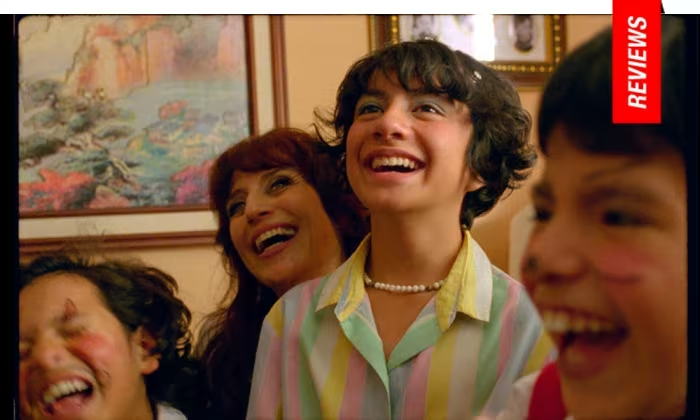
Six Months In A Pink And Blue Building Review

Six Months in a Pink and Blue Building
A poetic, autobiographical docu-hybrid film by Bruno Santamaría Razo exploring childhood, memory, and familial illness in Mexico City.
How This Score Is Calculated
- Sources analysed: 7 reviews
- Sentiment-only: 7 sources (weighted 1.0×)
- Split: 6 Positive · 1 Mixed · 0 Negative
- Raw weighted average: 8.7
- Consensus bonus +0.3: 86% agreement
- Final score: 8.7/10
Algorithmically calculated from source data. No manual adjustments.
- Most reviewed featureHybrid Narrative (7/7)
- Most praisedEmotional Authenticity
- Most criticisedPacing/Structure
- Reviewer consensus levelHigh
Six Months in a Pink and Blue Building is a deeply tender and visually arresting hybrid film that masterfully blurs the lines between documentary and fiction. By navigating the complexities of childhood trauma, sexual awakening, and the AIDS crisis in Mexico City, the director creates a hauntingly personal and cathartic experience. While some critics note that its unconventional, vignette-based structure may feel repetitive or fragmented, the film is widely praised for its raw emotional honesty and unique cinematic vision.
🔧 Key Specifications
- Director: Bruno Santamaría Razo
- Genre: Autobiographical Docu-hybrid
- Setting: Mexico City
- Themes: Childhood, Memory, Sexuality, AIDS Crisis
📊 What Reviewers Say — Feature by Feature
4 features evaluated across 7 sources.
👍 Key Strengths
- Innovative docu-hybrid narrative structure
- Deeply authentic emotional resonance
- Stunning, painterly cinematography
- Powerful, understated performances
👎 Key Weaknesses
- Can feel overlong or repetitive
- Fragmented narrative may confuse some
- Subject matter is emotionally heavy
⚡ Where Reviewers Disagreed
The following areas saw meaningful disagreement across sources.
- Narrative Structure: 4 sources praised the structure as 'innovative' or 'unpredictable', while 3 sources critiqued it as 'repetitive', 'scattered', or 'fragmentary'. The disagreement hinges on whether the viewer appreciates the non-linear, vignette-based approach or finds it an impediment to the film's pacing.
🎯 Who This Product Is For
Reviewer recommendations for different target audiences.
🛠️ Best Use Cases
- Art House ViewingExcellent for film festivals and specialized screenings where the film's poetic, non-traditional approach is fully appreciated.Great
- Educational/Historical ContextProvides a unique, personal lens on the AIDS crisis and its lasting impact on family memory.Good
🔀 Alternatives Mentioned by Reviewers
Reviewers frequently compared this film to other works in the modern 'docu-hybrid' and memorialization movement.
- Tótem (Lila Avilés) — Shares a similar sensibility and focus on dense family dynamics surrounding illness, making it an excellent companion piece for those who enjoyed the emotional core of Razo's work.
- Four Daughters (Kaouther Ben Hania) — Often cited for its similar blending of documentary and fiction, recommended for viewers interested in how truth and memory are explored through reenactment.
- Stories We Tell (Sarah Polley) — An essential alternative for those fascinated by the investigative nature of family memory and the use of hybrid techniques to uncover personal secrets.
- Summer 1993 (Carla Simon) — Evokes a similar essence of childhood perspective, recommended for those who appreciate the film's gentle, observational approach to trauma.
- The Mysterious Gaze of the Flamingo — A thematic cousin, though reviewers note that Razo's film is more grounded and documentarian compared to this film's magical realism.
- Memory Box & Nina Roza — Cited as key contributors to the same modern movement of AIDS-related memorialization, recommended for viewers interested in this specific cinematic trend.
🛒 Buyer's Guide
✅ Buy This If…
- You appreciate experimental cinema that challenges traditional narrative structures.
- You are interested in deeply personal, autobiographical explorations of family and trauma.
- You value artistic, painterly cinematography over conventional storytelling.
❌ Skip This If…
- You prefer fast-paced, plot-driven films with clear, linear resolutions.
- You are sensitive to emotionally heavy, melancholic subject matter.
Six Months in a Pink and Blue Building is an exceptional piece of modern hybrid cinema that rewards patient viewers with a profound, cathartic exploration of childhood memory and family grief. While its unconventional structure may challenge those accustomed to traditional narratives, its emotional authenticity and visual beauty are undeniable. It stands as a significant contribution to the current movement of personal memorialization in film. If you appreciate films like Stories We Tell or Tótem, this is a must-watch.