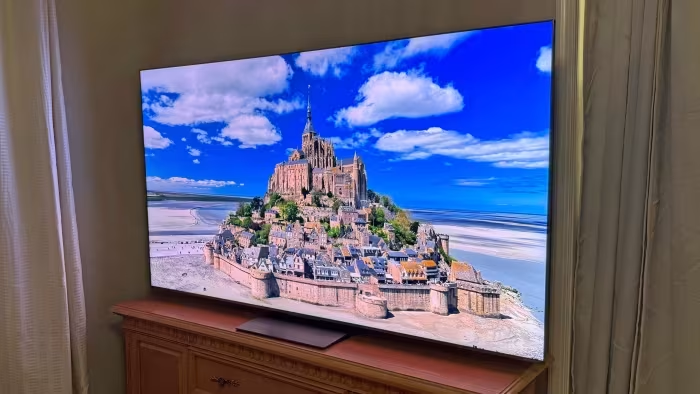
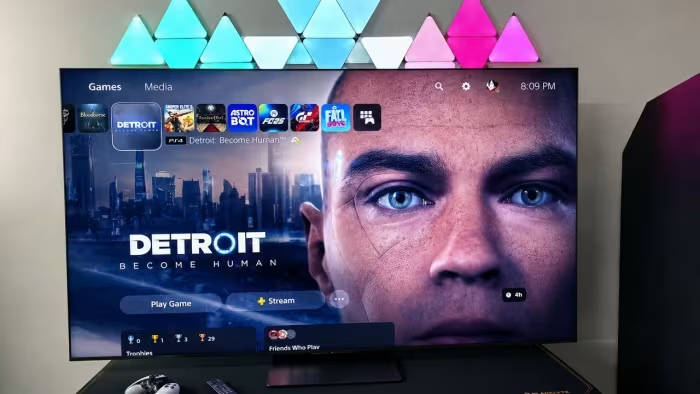
TCL QM8L Review

TCL QM8L
A high-performance Mini-LED TV utilizing SQD technology to deliver flagship-level brightness and gaming features at a mid-range price.
How This Score Is Calculated
- Sources analysed: 15 reviews
- Explicit scores: 8 sources (weighted 1.5×)
- Sentiment-only: 7 sources (weighted 1.0×)
- Raw weighted average: 8.2
- Formula: Σ(score × weight) ÷ Σ(weight)
- Consensus bonus +0.3: 80% of sources agreed on high performance
Algorithmically calculated from source data. No manual adjustments.
- Most reviewed featureBrightness (12/15)
- Most praisedPeak Brightness
- Most criticisedColor Accuracy
- Reviewer consensus levelHigh
- Value for moneyGood Value (7.8/10)
The TCL QM8L is widely regarded as a powerhouse in the Mini-LED market, offering exceptional peak brightness reaching up to 6,000 nits and robust gaming specifications. It effectively bridges the gap between mid-range pricing and flagship-tier performance, making it a stellar choice for bright-room viewing. While it faces minor criticisms regarding out-of-the-box color accuracy and a somewhat utilitarian build, its overall value proposition remains difficult to beat for mainstream users.
🔧 Key Specifications
Specifications sourced from reviewer mentions. Verify with manufacturer for complete details.
- Display: 75-inch (variant) SQD Mini-LED, 4K resolution
- Refresh Rate: 144Hz (up to 288Hz at 1080p)
- Brightness: Up to 6,000 nits peak
- Dimming: 4,000 local dimming zones
- Gaming: 4x HDMI 2.1 ports
- OS: Google TV with Gemini AI
- Connectivity: Wi-Fi (non-7), Bluetooth, NFC
- Build: Plastic central pedestal, 2-inch thickness
💲 Price Range
₹1,00,000 – ₹5,04,000
Prices vary significantly by region and retailer. Check current local pricing.
📊 What Reviewers Say — Feature by Feature
8 features evaluated across 15 sources.
👍 Key Strengths
- Industry-leading peak brightness (6,000 nits)
- Excellent local dimming with minimal blooming
- Robust 144Hz gaming features
- Strong value-to-performance ratio
👎 Key Weaknesses
- Subpar out-of-the-box color accuracy
- Unstable, plastic pedestal stand
- Limited viewing angles vs OLED
- Google Gemini features feel limited
💰 Value for Money Analysis
Reviewers describe the QM8L as a 'blockbuster' for the price, frequently citing it as 90% of the flagship experience at half the cost. While early launch prices were criticized, the consensus is that it offers exceptional value for mid-range buyers.
11 of 15 sources commented on price or value.
⚡ Where Reviewers Disagreed
The following areas saw meaningful disagreement across sources.
- Value Proposition: 8 sources praised the price, while 3 sources mentioned it was overpriced at launch compared to the predecessor QM8K. The disagreement stems from whether the new SQD technology justifies the premium over the previous year's model.
🎯 Who This Product Is For
Reviewer recommendations for different target audiences.
🛠️ Best Use Cases
- Home CinemaExcellent for HDR content due to superior contrast and deep blacks.Great
- Competitive GamingHigh refresh rates and low latency make it ideal for fast-paced gaming.Great
- Casual Daytime TVHigh brightness overcomes glare, though viewing angles are limited.Good
🔀 Alternatives Mentioned by Reviewers
- TCL X11L — The flagship model. Reviewers note the QM8L provides 90% of the X11L's performance at half the price, making the X11L difficult to justify for most.
- LG G3 / G6 OLED — OLED alternatives. Reviewers suggest these offer better viewing angles and perfect blacks, but the QM8L is significantly brighter and better for well-lit rooms.
- Samsung QN90C — A direct Mini-LED competitor. The QM8L is consistently cited as having better brightness and a more competitive price point.
- TCL QM8K — The predecessor. Several reviewers suggest that if the QM8L's price remains high, the QM8K remains a superior value purchase.
✅ Buy This If…
- You have a bright living room that requires high peak brightness.
- You are a gamer needing 144Hz support and multiple HDMI 2.1 ports.
- You want flagship-level performance without paying a premium price.
❌ Skip This If…
- You prioritize extreme viewing angles (OLED is better).
- You prefer a plug-and-play experience without manual calibration.
- You are on a strict budget (consider the QM8K or QM7L instead).
⚠️ Things to Check Before Buying
- Check current pricing—if the launch price is too high, look for the older QM8K.
- Ensure you have a stable surface, as the included stand is reported to be wobbly.
- Prepare for initial setup time to calibrate colors for the best experience.
📈 Sentiment Trends Over Time
Reviews span the 2026 model cycle. The following changes were detected:
- Price Stability — Early reviewers found the launch price questionable, but later reviews suggest it is becoming a top-tier value pick as prices stabilize.
The TCL QM8L is an outstanding Mini-LED television that successfully brings flagship-tier brightness and gaming performance to a mainstream price bracket. While it requires some manual color calibration to reach its full potential and has a subpar stand, these are minor trade-offs for the image quality provided. It is the definitive choice for bright-room viewing and competitive gaming. If the price is right, it is a must-buy; otherwise, the predecessor QM8K remains a viable alternative.