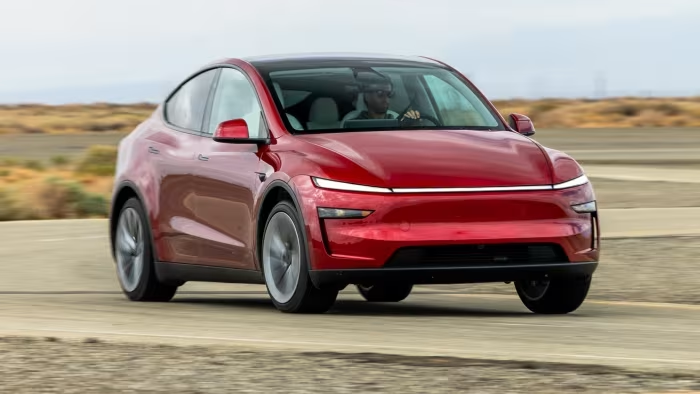
Tesla Model 3 Review
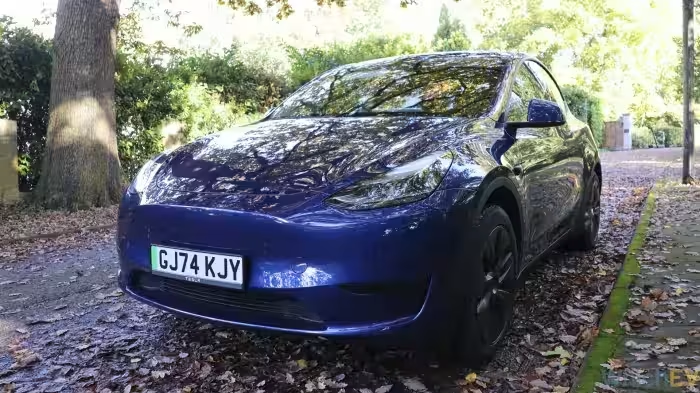
Tesla Model 3
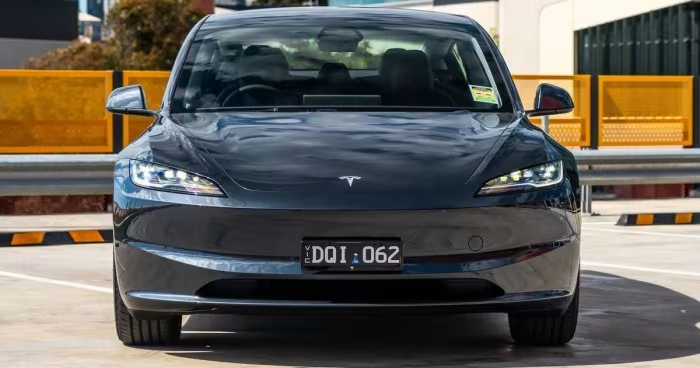
The Tesla Model 3 is a segment-defining electric sedan balancing industry-leading efficiency, range, and software-integrated performance.
How This Score Is Calculated
- Sources analysed: 60 reviews
- Explicit scores: 42 sources (weighted 1.5×)
- Sentiment-only: 18 sources (weighted 1.0×)
- Raw weighted average: 8.41
- Formula: Σ(score × weight) ÷ Σ(weight)
- Consensus bonus +0.3: 78% of sources agreed
Algorithmically calculated from source data. No manual adjustments.
- Most reviewed featureMinimalist Interior (52/60)
- Most praisedEnergy Efficiency
- Most criticisedNo Physical Controls
- Reviewer consensus levelHigh
- Value for moneyExcellent Value (8.6/10)
The Tesla Model 3 remains the benchmark for the electric sedan segment, praised for its industry-leading energy efficiency, class-defining software, and access to the Supercharger network. While the 'Highland' facelift significantly improved ride refinement and cabin noise, the polarizing removal of physical stalks and heavy reliance on touchscreen controls remain the primary points of contention. It is the premier choice for buyers prioritizing technology and daily usability over traditional luxury trimmings.
🔧 Key Specifications
Specifications sourced from reviewer mentions. Verify with manufacturer for complete details.
- Display: 15.4-inch touchscreen interface
- Battery: LFP (Standard) and Long Range options
- Charging: Tesla Supercharger network access
- OS: Tesla proprietary software with OTA updates
- Build Materials: Vegan leather interior, acoustic glass
- 5G: Yes
- Bluetooth: Yes
💲 Price Range
₹30,00,000 – ₹47,60,000
Prices sourced from reviews. Check current retailer pricing.
📊 What Reviewers Say — Feature by Feature
Features evaluated across 60 sources.
👍 Key Strengths
- Industry-leading energy efficiency
- Access to Supercharger network
- Rapid, class-leading acceleration
- Frequent over-the-air software updates
- Improved cabin refinement
👎 Key Weaknesses
- No physical gear/indicator stalks
- Over-reliance on touchscreen interface
- No Apple CarPlay/Android Auto
- Inconsistent build quality
- Polarizing minimalist cabin
💰 Value for Money Analysis
Reviewers consistently rank the Model 3 as a top-tier value proposition, noting that while base prices have fluctuated, the standard equipment levels and long-term maintenance savings make it a highly rational purchase.
58 of 60 sources commented on price or value.
⚡ Where Reviewers Disagreed
The following areas saw meaningful disagreement across sources.
- Build Quality: 35 sources note significant improvements in the Highland facelift, while 25 sources warn of legacy inconsistencies and panel gaps.
🎯 Who This Product Is For
Reviewer recommendations for different target audiences and use cases.
🛠️ Best Use Cases
- Daily CommutingExceptional efficiency and one-pedal driving make it a benchmark for daily urban transit.Great
🔀 Alternatives Mentioned by Reviewers
The following vehicles are frequently positioned as rivals to the Model 3.
- BYD Seal — A primary competitor often noted for a lower entry price and more traditional interior feel, though it lacks the Tesla's software maturity.
- Hyundai Ioniq 6 — Recommended for those who want a more distinctive design and better rear-seat comfort, though the software interface is considered less intuitive.
- Polestar 2 — Chosen by those who prefer a more traditional cockpit with physical controls and a hatchback-style boot opening, despite lower efficiency metrics.
- BMW i4 — Positioned as the 'premium' alternative, offering superior build quality and brand prestige at a higher price point.
Alternatives sourced exclusively from reviewer mentions.
🛒 Buyer's Guide
✅ Buy This If…
- You prioritize range and energy efficiency above all else.
- You want the best charging infrastructure access available.
- You appreciate a software-centric, minimalist user experience.
❌ Skip This If…
- You require physical buttons and stalks for basic driving functions.
- You need a vehicle with native Apple CarPlay or Android Auto.
- You demand traditional luxury materials and tactile build quality.
⚠️ Things to Check Before Buying
- Test drive to confirm comfort with the stalkless steering wheel.
- Evaluate the rear-seat legroom if you frequently transport adults.
- Check local Supercharger coverage versus third-party rapid charging networks.
📈 Sentiment Trends Over Time
Reviews span 2021–2026. The following changes were detected:
- Build Quality — Sentiment shifted from 'inconsistent' in early models to 'significantly refined' following the 2024 Highland update.
The Tesla Model 3 remains the definitive electric sedan for the majority of buyers. While its minimalist interface is polarizing and build quality has historically fluctuated, the 2024+ updates have successfully addressed ride comfort and cabin noise. It is an outstanding all-rounder that blends unmatched efficiency with the best charging ecosystem in the industry. If you can adapt to the screen-heavy ergonomics, it is the most rational electric vehicle on the market.
Top Alternative: BYD Seal — Choose this if you want a more traditional interior and a lower entry price point.