Wuthering Heights Review
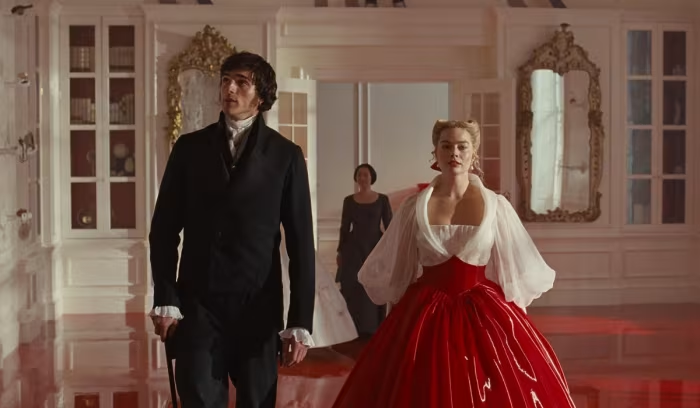
Wuthering Heights (Emerald Fennell Adaptation)
A polarizing, stylized, and highly carnal cinematic reinterpretation of Emily Brontë’s classic gothic novel.
How This Score Is Calculated
- Sources analysed: 5 reviews
- Sentiment-only: 5 sources (weighted 1.0×)
- Split: 2 Positive · 0 Mixed · 3 Negative
- Raw weighted average: 5.6
- Formula: Σ(score × weight) ÷ Σ(weight)
- Final score: 5.6/10
- Most reviewed featureNarrative fidelity (5/5)
- Visual style
- Explicit content
- Reviewer consensus levelContested
Emerald Fennell’s adaptation of Wuthering Heights has emerged as a deeply divisive entry in the long history of Brontë screen iterations. While some critics praise its audacious aesthetic choices and the undeniable chemistry between its leads, others argue that it sacrifices the haunting, gothic soul of the source material for a superficial, carnal spectacle.
The film functions more as a high-camp visual experiment than a faithful narrative adaptation. This approach satisfies viewers looking for a bold, modern reimagining but leaves purists and those seeking emotional depth feeling alienated by the script's pacing and focus on explicit content.
Ultimately, your enjoyment will depend on your expectations. If you are looking for a traditional period drama, this will likely frustrate you; however, if you approach it as an atmospheric, stylized exercise in melodrama, you may find the performances and the score to be compelling enough to warrant a watch.
🔧 Key Production Details
- Director: Emerald Fennell
- Lead Actors: Margot Robbie, Jacob Elordi, Martin Clunes, Alison Oliver
- Score: Charli XCX
📊 What Reviewers Say — Feature by Feature
Features evaluated across 5 sources.
👍 Key Strengths
- Raw lead chemistry
- Stunning production design
- Discordant, evocative soundtrack
- Strong supporting performances
👎 Key Weaknesses
- Lacks narrative breathing space
- Superficial character development
- Over-reliance on explicit content
- Pacing issues in final act
⚡ Where Reviewers Disagreed
The following areas saw meaningful disagreement across sources.
- Overall Tone: 2 sources praised it as a compelling, atmospheric experience, while 3 sources criticized it for being a silly, gaudy, and inauthentic adaptation that fails to capture the novel's gothic bleakness.
🎯 Who This Product Is For
Reviewer recommendations for different target audiences.
🔀 Alternatives Mentioned by Reviewers
- Titanic — Compared by one reviewer for its intense, addictive emotional impact, suggesting that viewers looking for high-stakes melodrama might find similar engagement there.
- Pride and Prejudice — Referenced as a point of contrast, highlighting how Wuthering Heights differs from traditional, sentiment-focused romance novels by focusing on darker themes of obsession.
- Original Novel (Emily Brontë) — Frequently cited as the gold standard for gothic intensity and character depth, which critics argue this film fails to replicate.
Alternatives sourced exclusively from reviewer mentions.
🛒 Buyer's Guide
✅ Buy This If…
- You prioritize bold, stylized visuals over narrative fidelity.
- You enjoy high-camp interpretations of classic gothic literature.
❌ Skip This If…
- You are a fan of the original Brontë novel and expect a faithful adaptation.
- You are looking for profound emotional depth and character study.
Emerald Fennell’s Wuthering Heights is a polarizing visual spectacle that succeeds as a modern aesthetic experiment but fails as a faithful adaptation of Brontë’s gothic classic. While the lead chemistry and soundtrack are commendable, the lack of narrative depth and reliance on carnal tropes alienate those seeking the source material's true emotional weight. Approach this as a stylized melodrama rather than a literary adaptation.
PLG_CONTENT_IMAGEGALLERY_ERROR_NO_IMAGES