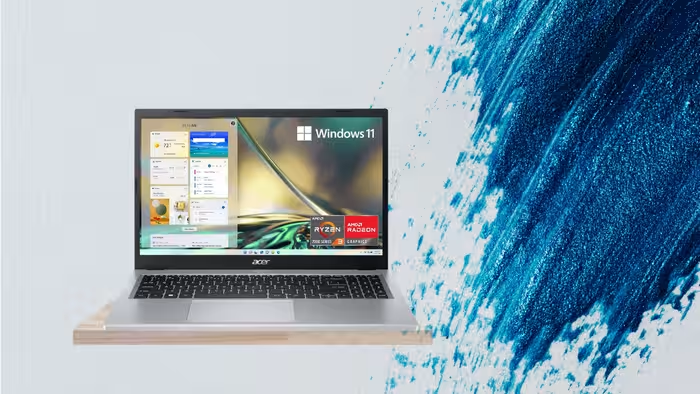
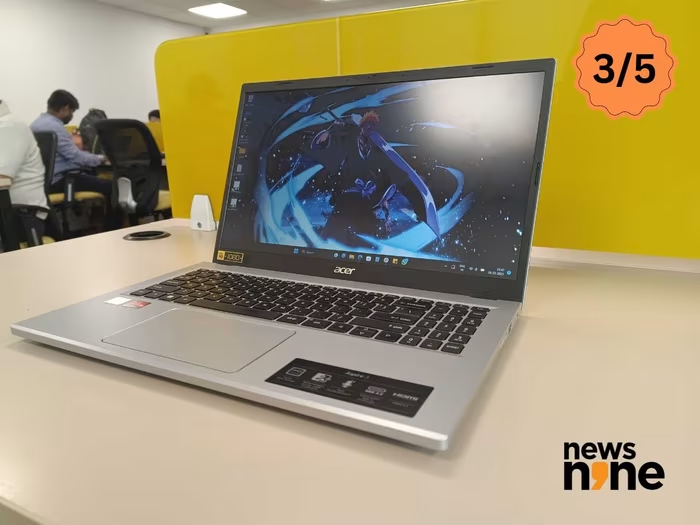
Acer Aspire 3 Review
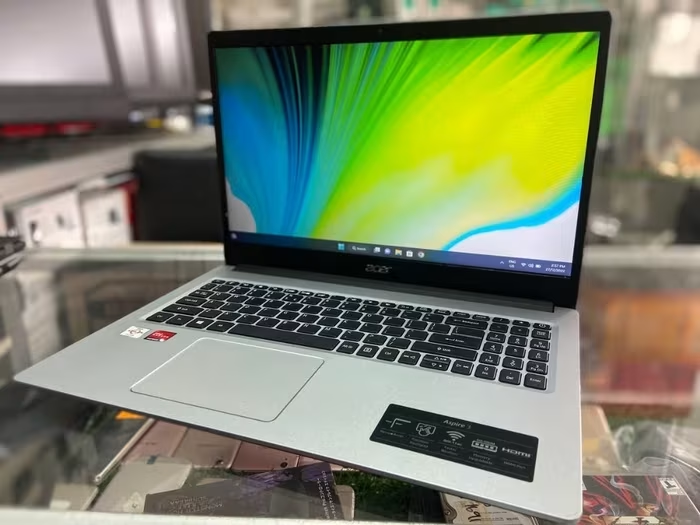
Acer Aspire Series
A diverse range of budget to mid-range laptops from Acer, primarily targeting students, office workers, and general home users.
How This Score Is Calculated
- Sources analysed: 46 reviews
- Raw weighted average: 6.8/10
- Final score: 6.8/10 (rounded to 1 decimal)
- Most reviewed featureBattery Life (46/46)
- Most praisedAffordability
- Most criticisedBuild Quality/Chassis
- Value for moneyGood Value (7.2/10)
The Acer Aspire lineup is widely regarded as the benchmark for budget-friendly, utilitarian computing. Across nearly five decades of models, reviewers consistently praise their exceptional price-to-performance ratio and reliable battery life, making them ideal for students and office tasks. However, users must frequently contend with "budget" trade-offs, specifically regarding plastic-heavy chassis construction, mediocre display brightness, and occasional bloatware. While not designed for high-end gaming or creative workflows, they remain a staple recommendation for those seeking a functional daily driver on a strict budget.
🔧 Key Specifications
- Display: 11.6" to 17.3" (IPS/OLED/TN options)
- Battery: 5–12 hours (model dependent)
- Connectivity: HDMI, Ethernet, USB-C (varies by generation)
- Build: Predominantly plastic; select models feature aluminum decks
📊 What Reviewers Say — Feature by Feature
👍 Key Strengths
- Excellent price-to-performance ratio
- Reliable all-day battery life
- Comfortable, full-sized keyboards
- Versatile port selection
👎 Key Weaknesses
- Flimsy plastic chassis construction
- Mediocre screen brightness/viewing angles
- Excessive pre-installed bloatware
- Lackluster webcam quality
💰 Value for Money Analysis
Reviewers consistently highlight the Aspire series as one of the best ways to get a functional Windows machine without breaking the bank. While some models suffer from "corner-cutting," the low entry price generally justifies the compromises for most users.
⚡ Where Reviewers Disagreed
- Display Quality: 15 sources praised the 1080p IPS panels, while 20 sources criticized the dimness and poor viewing angles of lower-tier models.
🎯 Who This Product Is For
🔀 Alternatives Mentioned by Reviewers
- Asus VivoBook Series — Frequently cited as a more stylish, often better-screened alternative, though sometimes more expensive than the base Aspire models.
- Lenovo IdeaPad — Often compared for build quality; reviewers suggest choosing this if you prioritize keyboard feel and chassis durability over raw port variety.
- Dell Inspiron — A direct rival in the budget desktop-replacement category; often noted for having slightly better support and build consistency.
- Chromebooks — Suggested as the alternative if the user only needs web browsing, offering even lower prices and better battery efficiency than Windows-based Aspire laptops.
✅ Buy This If…
- You are a student or office worker on a tight budget.
- You prioritize battery life and port variety over aesthetics.
- You need a basic, reliable machine for word processing and web browsing.
❌ Skip This If…
- You require a high-quality display for photo or video editing.
- You want a premium, lightweight, metal-clad laptop.
- You are a gamer needing dedicated graphical power.
The Acer Aspire series remains the gold standard for functional, no-frills computing. While it will never win awards for design or display brilliance, it succeeds by delivering consistent performance and battery life where it matters most for students and professionals. For those who need a reliable workhorse without the "premium" price tag, it is an easy buy. If you demand a better screen or build, look toward the higher-end Acer Aspire 5 or a competing Asus VivoBook.