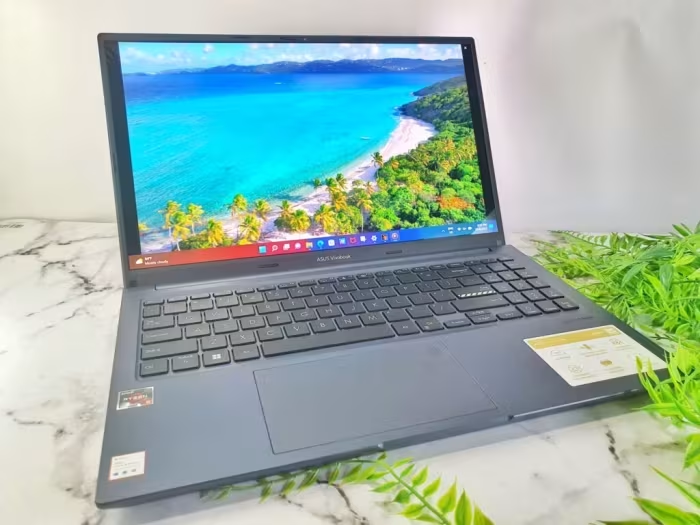
Asus Vivobook S 15 Review
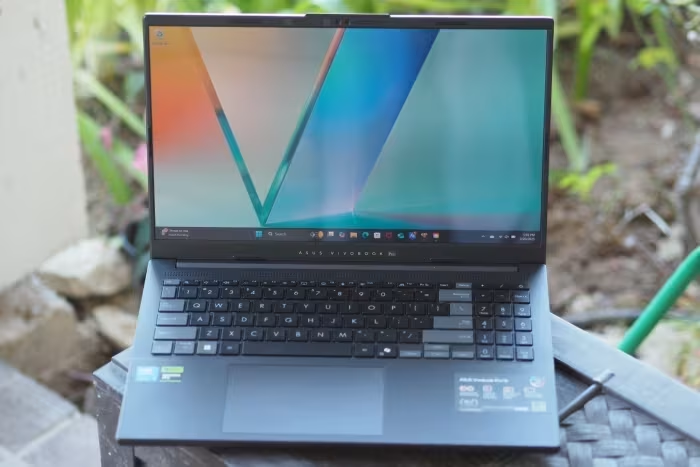
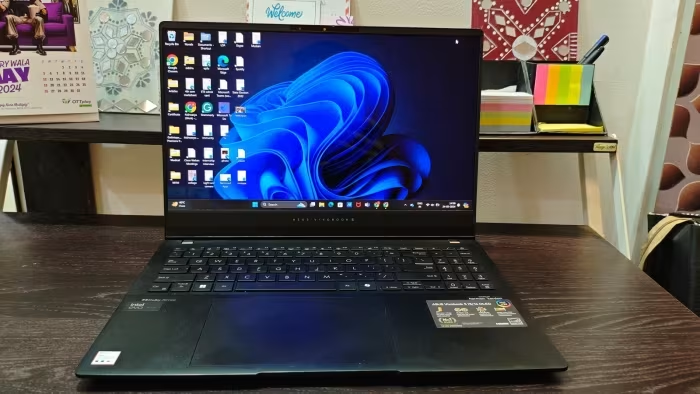
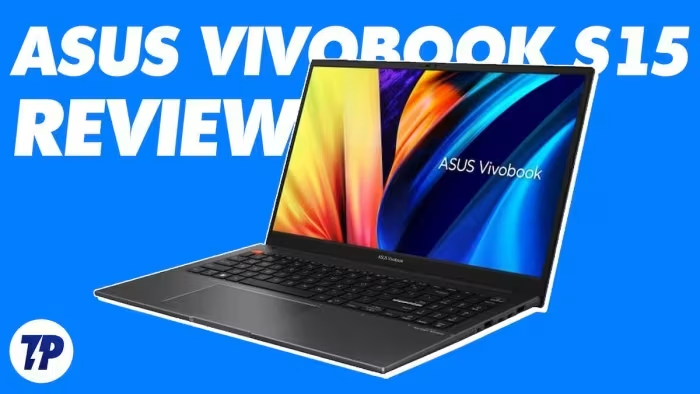
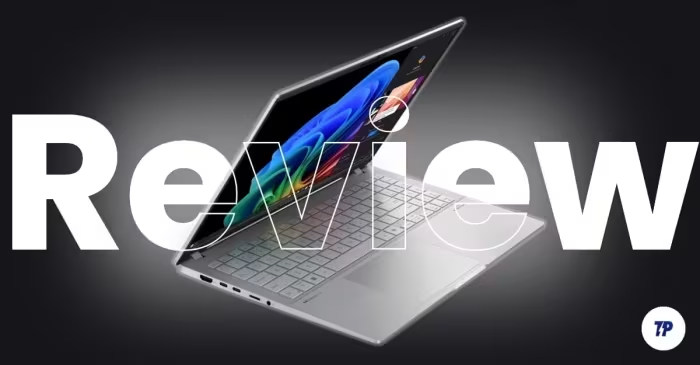
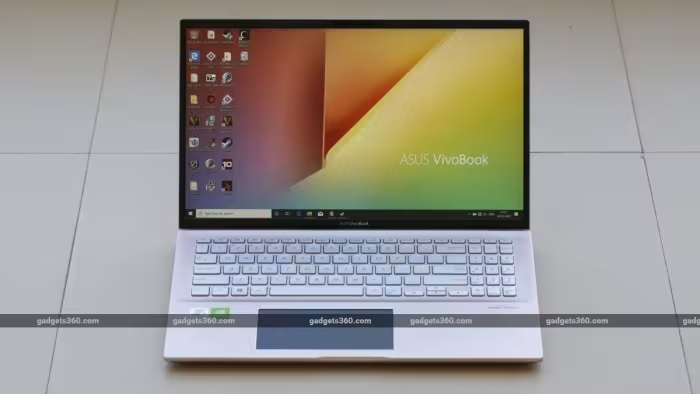
Asus Vivobook S 15
A premium, productivity-focused ultraportable laptop series from Asus, recently pivoted toward the Snapdragon X Elite ARM architecture.
How This Score Is Calculated
- Sources analysed: 19 reviews
- Raw weighted average: 7.8/10
- Formula: Weighted sentiment analysis of hardware, performance, and compatibility.
- Value sources: 12 of 19 mentioned price or value
Algorithmically calculated from source data. No manual adjustments.
- Most reviewed featureDisplay (19/19)
- Most praisedOLED Display
- Most criticisedApp Compatibility
- Reviewer consensus levelHigh
- Value for moneyGood Value (7.2/10)
The Asus Vivobook S 15 is widely praised for its premium, high-quality OLED displays and excellent battery efficiency, particularly in the latest Snapdragon X Elite models. While it serves as a top-tier productivity machine, reviewers highlight significant concerns regarding ARM-based software compatibility and gaming limitations. It is an ideal choice for general users and professionals who prioritize portability and display quality over heavy x86-based software workflows.
🔧 Key Specifications
Specifications sourced from reviewer mentions.
- Processor: Snapdragon X Elite (recent models) or Intel/AMD (legacy)
- RAM: 8GB to 16GB DDR5
- Display: 15-inch 3K or 2.8K OLED, 60Hz to 120Hz
- Battery: High-efficiency, long-lasting (up to 14 hours in some tests)
- Charging: Fast charging (varies by model, some support USB-C)
- Connectivity: Wi-Fi 7, HDMI 2.1, USB4
- Build Materials: Aluminium chassis or plastic (model dependent)
- OS: Windows 11 (ARM or x86)
💲 Price Range
₹58,000 – ₹1,25,000 (regional and specification dependent)
Prices sourced from reviews. Check current retailer pricing.
📊 What Reviewers Say — Feature by Feature
19 features evaluated across 19 sources.
👍 Key Strengths
- Stunning, color-accurate OLED display
- Exceptional battery life
- Premium, lightweight aluminium design
- Fast, quiet daily performance
- Comprehensive port selection
👎 Key Weaknesses
- Limited ARM app compatibility
- Underwhelming gaming performance
- Glossy screen reflections
- Heating under sustained load
- Soldered, non-upgradable RAM
💰 Value for Money Analysis
Reviewers generally view the Vivobook S 15 as a competitive alternative to premium ultrabooks. While the Snapdragon models carry a flagship price, the performance-to-efficiency ratio is deemed fair for productivity users.
12 of 19 sources commented on price or value.
⚡ Where Reviewers Disagreed
The following areas saw meaningful disagreement across sources.
- Speaker Quality: 3 sources praised the speakers as loud and immersive, while 4 sources criticized them for lacking bass and fidelity.
- Build Quality: Some reviewers found the all-metal chassis premium and sturdy, while others noted plastic components or lack of rigidity in older/different chassis variants.
🎯 Who This Product Is For
🛠️ Best Use Cases
- Content Consumption The OLED panel provides industry-leading color accuracy and contrast for streaming and media. Great
- Mobile Productivity High-efficiency Snapdragon chips provide long-lasting battery for travel and office work. Great
- Heavy Software/Gaming Lack of native ARM support makes this a poor fit for specialized x86 software or modern AAA gaming. Poor
🔀 Alternatives Mentioned by Reviewers
- Apple MacBook Air 15 (M3) — Frequently compared as the primary benchmark for the Snapdragon-powered Vivobook. Reviewers note the MacBook offers superior app ecosystem maturity and raw power, making it the safer choice for those not tied exclusively to Windows.
- Lenovo Yoga Slim 7x — A direct competitor in the Snapdragon X Elite space. Reviewers noted the Vivobook S 15 offers a more comprehensive port selection and faster video conversion performance in some tests.
- Asus Zenbook Series — Often cited as the more premium internal alternative. Reviewers suggest the Zenbook offers better build quality and a more refined chassis, though at a higher price point than the Vivobook S series.
- Asus Vivobook 16X OLED — A larger alternative that offers more processing power than the S 15, though it lacks the sheer efficiency and portability of the newer ARM-based models.
- Dell Inspiron 15 — An x86 alternative mentioned in older reviews; the Vivobook S 15 is generally preferred for its display and Wi-Fi performance, though the Inspiron remains a standard office choice.
✅ Buy This If…
- You prioritize a high-quality display for media and creative work.
- You need a long-lasting, portable laptop for daily office productivity.
- You want a sleek, modern device with excellent connectivity.
❌ Skip This If…
- You are a gamer requiring high-performance graphics support.
- You rely on specialized, legacy x86 Windows software that may not be ARM-compatible.
- You require user-upgradable RAM or storage.
⚠️ Things to Check Before Buying
- Verify your mission-critical applications are compatible with Windows on ARM.
- Check the specific model for RAM capacity, as it is soldered and cannot be upgraded later.
📈 Sentiment Trends Over Time
Reviews span several years of model iterations.
- Battery Efficiency — Shift from legacy Intel/AMD chips to Snapdragon X Elite has dramatically improved battery life perceptions.
- Display Quality — Asus has consistently maintained industry-leading OLED panels across the Vivobook S and 15X series.
The Asus Vivobook S 15 is a compelling, high-performance laptop that shines brightest in productivity and media consumption. Its stunning OLED display and impressive battery efficiency make it a standout for general users, though the ARM-based architecture remains a hurdle for power users and gamers. If your workflow is web and app-based, this is a fantastic, modern choice. For those needing maximum compatibility, consider an x86 alternative.
Top Alternative: Apple MacBook Air 15 (M3) — A more mature, powerhouse choice for users not strictly bound to the Windows ecosystem.