ASUS Zenbook A14 Review
ASUS Zenbook A14
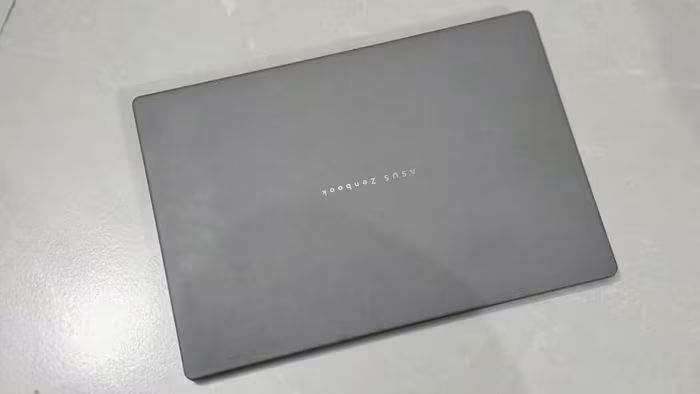
An ultra-portable, Ceraluminium-clad Copilot+ PC powered by Qualcomm Snapdragon X, designed for mobile productivity and all-day endurance.
How This Score Is Calculated
- Sources analysed: 22 reviews
- Explicit scores: 12 sources (weighted 1.5×)
- Sentiment-only: 10 sources (weighted 1.0×)
- Split: 15 Positive · 4 Mixed · 3 Negative
- Raw weighted average: 7.8
- Formula: Σ(score × weight) ÷ Σ(weight)
- Value sources: 12 of 22 mentioned price or value
- Final score: 7.8/10 (clamped, rounded to 1 decimal)
Algorithmically calculated from source data. No manual adjustments.
- Most reviewed featureBattery Life (22/22)
- Most praisedPortability
- Most criticisedWindows on ARM compatibility
- Reviewer consensus levelHigh
- Avg explicit reviewer score7.8/10
- Value for moneyGood Value (7.2/10)
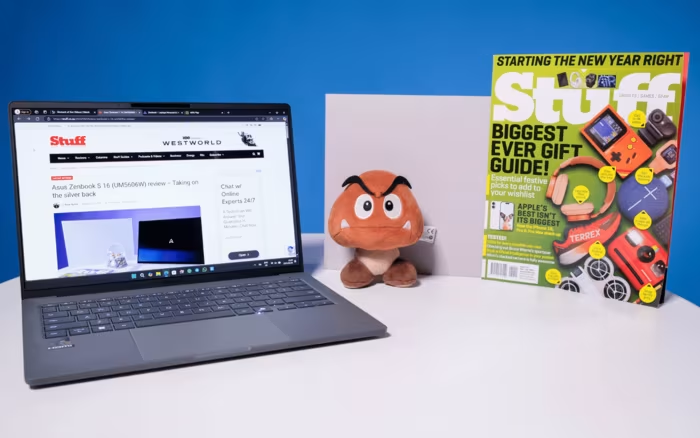
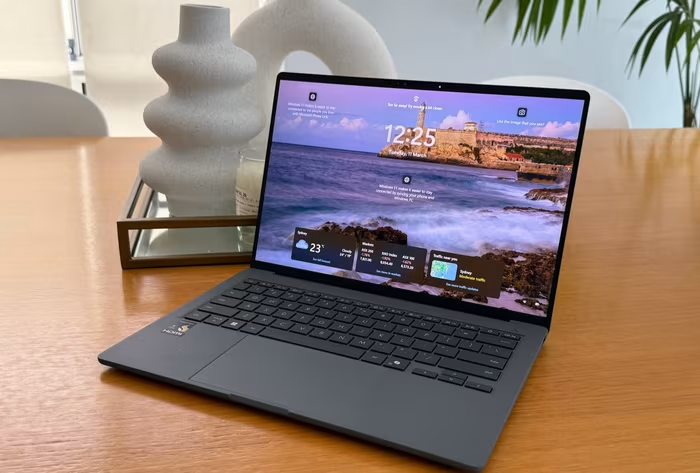
The ASUS Zenbook A14 is an ultra-portable triumph, weighing under 1kg and offering class-leading battery life that consistently hits the 17-21 hour mark. Its stunning OLED display and premium Ceraluminium chassis make it a joy to use for daily productivity and media consumption. However, the reliance on the Snapdragon X platform introduces compatibility hurdles for power users and gamers, and the high price point has drawn criticism for a device that lacks pro-grade graphics performance.
🔧 Key Specifications
Specifications sourced from reviewer mentions. Verify with manufacturer for complete details.
- Processor: Qualcomm Snapdragon X Elite / X2 Elite
- Display: 14-inch OLED, 1920×1200, 60Hz
- Battery: 70 Wh
- Main Camera: FHD webcam (mixed reception)
- Connectivity: USB 4.0, USB-A, Wi-Fi 7 (select models)
- Weight: 980 grams
- Materials: Ceraluminium chassis
💲 Price Range
₹85,000 – ₹1,70,000
Prices sourced from reviews. Check current retailer pricing.
📊 What Reviewers Say — Feature by Feature
7 features evaluated across 22 sources.
👍 Key Strengths
- Extremely lightweight (980g)
- Outstanding 20+ hour battery life
- Stunning OLED display quality
- Premium Ceraluminium build
- Quiet, efficient thermal management
👎 Key Weaknesses
- Windows on ARM compatibility issues
- Display limited to 60Hz
- Expensive high-end configurations
- Mediocre integrated webcam
- No biometric security (fingerprint scanner)
💰 Value for Money Analysis
Reviewers are divided on value; while the base models are seen as competitive, the top-tier X1 Elite configurations are frequently described as overpriced. Many suggest waiting for mid-range variants for better price-to-performance ratios.
12 of 22 sources commented on price or value.
⚡ Where Reviewers Disagreed
The following areas saw meaningful disagreement across sources.
- Build Quality: 15 sources praised the sturdy Ceraluminium chassis, while 3 sources described it as feeling 'plasticky' or having a 'loose lid'.
- Value Proposition: 8 sources labeled it as 'great value', while 6 sources cautioned that the price hike makes it difficult to justify against cheaper alternatives.
🎯 Who This Product Is For
Reviewer recommendations for different target audiences and use cases.
🛠️ Best Use Cases
- Web Browsing & Office ProductivityThe laptop thrives in standard productivity environments, handling browser-based work and office suites with ease.Great
- Travel/CommutingIts sub-1kg weight and industry-leading battery life make it the perfect companion for long-haul travel.Great
- Media ConsumptionThe vibrant OLED display is excellent for video streaming, though the speakers are considered middling.Good
🔀 Alternatives Mentioned by Reviewers
Reviewers frequently compared the Zenbook A14 to other ultraportables.
- Apple MacBook Air (M3/M4/M5): Often cited as the primary rival; while the MacBook is seen as having superior processing power and app compatibility, the Zenbook is frequently praised for being lighter and providing a better OLED display experience.
- Acer Swift 14 AI: Frequently mentioned as a direct competitor that offers stronger graphics performance at a comparable or lower price point.
- MSI Prestige 14 AI Evo: Recommended by some as a better alternative for those who prefer Intel Core Ultra processors and matte screens over the Snapdragon/OLED setup.
- Lenovo Yoga Slim 7x: Compared for battery life, with the Zenbook often coming out ahead in longevity but behind in raw performance benchmarks.
- ASUS Vivobook S14/S15: Recommended as a more budget-friendly alternative if you need similar productivity performance without the premium cost of the Zenbook branding.
Alternatives sourced exclusively from reviewer mentions.
🛒 Buyer's Guide
✅ Buy This If…
- You prioritize extreme portability and need a sub-1kg laptop.
- You require all-day battery life for travel or remote work.
- You primarily use web-based apps and standard office software.
❌ Skip This If…
- You are a gamer or need to run specialized x86 software.
- You require high-end graphics power for video editing.
- You need a touchscreen or biometric security features.
⚠️ Things to Check Before Buying
- Verify that your essential professional software is compatible with Windows on ARM.
- Consider waiting for mid-range configurations to avoid the "premium tax" of the top-specced models.
📈 Sentiment Trends Over Time
Reviews indicate a shift between launch and long-term testing.
- Software Compatibility — Initial excitement over the Copilot+ platform has settled into a cautious "check your apps" recommendation as users encounter real-world bugs.
The ASUS Zenbook A14 is a beautiful, feather-light machine that sets a new bar for battery endurance in a Windows laptop. While it isn't a powerhouse for gaming or heavy creative work, it is an exceptional tool for mobile productivity. If your workflow lives in a browser and office apps, its portability is unmatched, though you should be mindful of the ARM-based software limitations and the lack of biometric security.
Top Alternative: Acer Swift 14 AI — Choose this if you need more robust graphics performance and standard x86 compatibility at a similar price point.