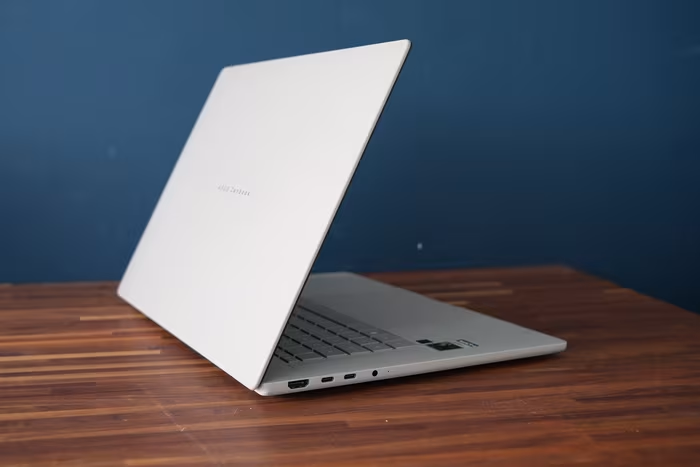
Asus Zenbook A16 Review
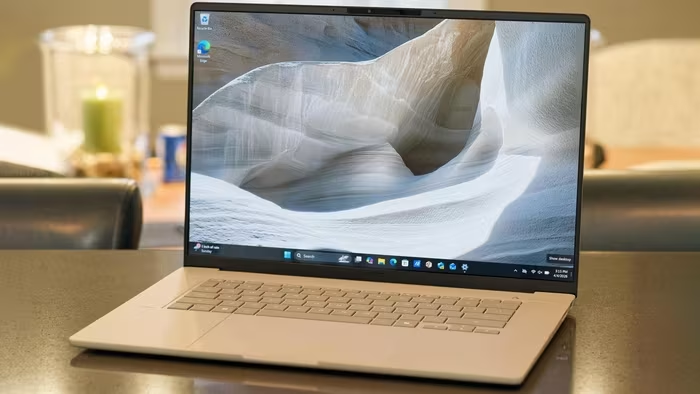
Asus Zenbook A16
A premium, ultra-lightweight 16-inch laptop powered by the Snapdragon X2 Elite, designed for high-performance mobile productivity.
How This Score Is Calculated
- Sources analysed: 23 reviews
- Explicit scores: 14 sources (weighted 1.5×)
- Sentiment-only: 9 sources (weighted 1.0×)
- Split: 19 Positive · 3 Mixed · 1 Negative
- Raw weighted average: 8.2
- Formula: Σ(score × weight) ÷ Σ(weight)
- Final score: 8.2/10 (clamped, rounded to 1 decimal)
Algorithmically calculated from source data. No manual adjustments.
- Most reviewed featurePortability (23/23)
- Most praisedSnapdragon X2 Performance
- Most criticisedARM Software Compatibility
- Reviewer consensus levelHigh
- Avg explicit reviewer score8.3/10
- Value for moneyGood Value (7.6/10)
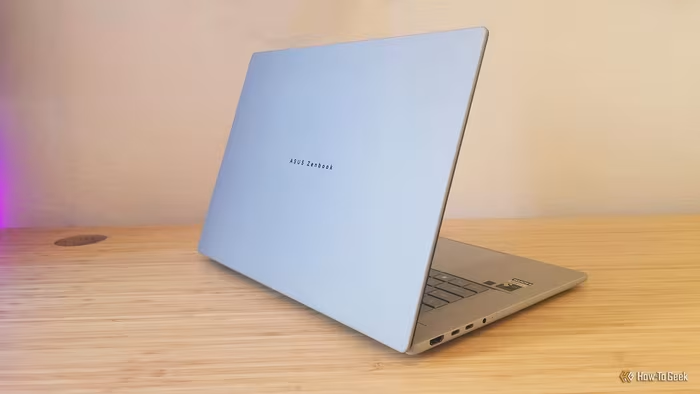
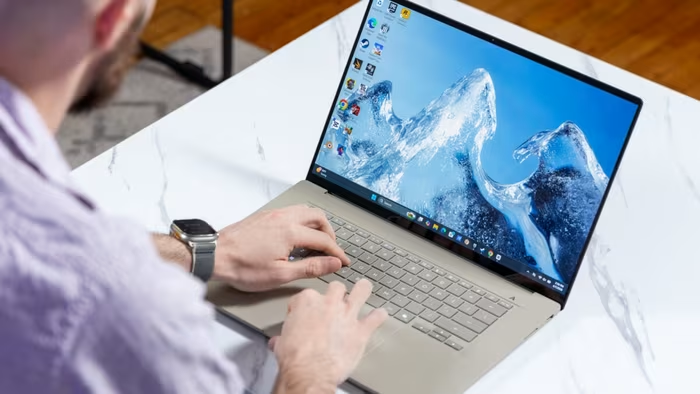
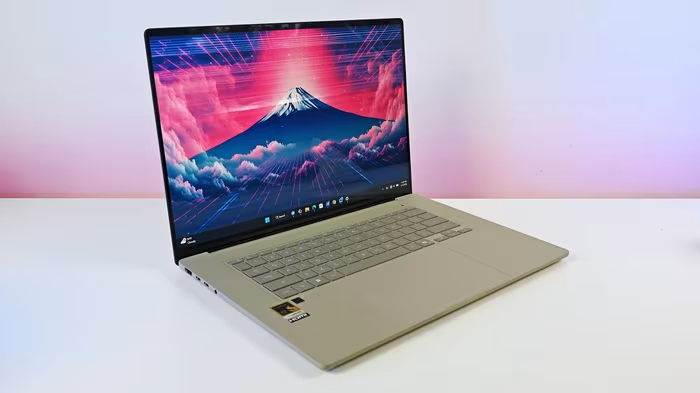
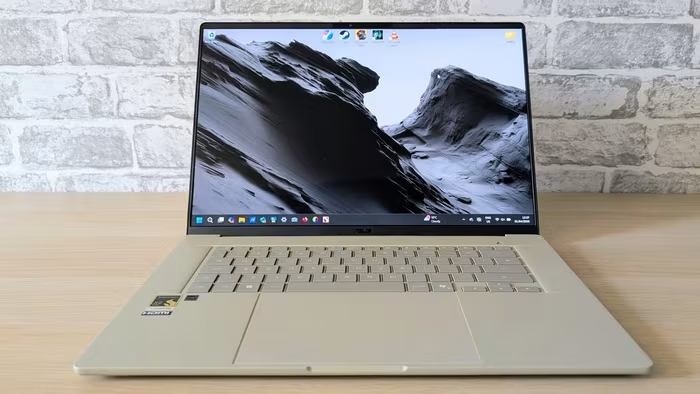
The Asus Zenbook A16 is a standout ultraportable that successfully bridges the gap between high-end professional performance and extreme portability. Its standout features—the vibrant 3K OLED display, the powerful Snapdragon X2 Elite chipset, and its impressively light chassis—make it a premier choice for productivity-focused users. While it struggles with niche gaming tasks and occasional ARM-based software compatibility quirks, it remains one of the most compelling Windows-based rivals to the MacBook Air.
🔧 Key Specifications
Specifications sourced from reviewer mentions. Verify with manufacturer for complete details.
- Processor: Snapdragon X2 Elite Extreme
- RAM: Up to 48 GB
- Display: 16-inch 3K Lumina OLED, 120Hz
- Battery: All-day battery life (varies by load)
- Charging: USB-C PD
- Main Camera: Integrated FHD
- OS: Windows 11 (ARM64)
- Wi-Fi: Wi-Fi 7
- Weight: 2.6 lbs - 2.8 lbs
- Build Materials: Ceraluminum chassis
💲 Price Range
Approx. ₹1,34,500 – ₹2,35,000
Prices sourced from reviews. Check current retailer pricing.
📊 What Reviewers Say — Feature by Feature
12 features evaluated across 23 sources.
👍 Key Strengths
- Exceptional productivity performance
- Stunning 3K OLED display
- Incredibly lightweight design
- All-day battery life
- Solid port selection
👎 Key Weaknesses
- Poor 3D gaming performance
- ARM software compatibility quirks
- Non-upgradable soldered RAM
- Chassis flex concerns
- Polarizing beige color
💰 Value for Money Analysis
Reviewers generally view the Zenbook A16 as a strong value proposition compared to premium Windows ultrabooks and Apple's lineup, especially given the 48GB RAM configurations. However, some note that the high price tag makes it a significant investment for those who don't need its specific productivity capabilities.
16 of 23 sources commented on price or value.
⚡ Where Reviewers Disagreed
The following areas saw meaningful disagreement across sources.
- Build Quality: 12 sources praised the rigid Ceraluminum chassis, while 4 sources (specifically Wired and Tom's Hardware) criticized the chassis for flexing and feeling cheap.
🎯 Who This Product Is For
Reviewer recommendations for different target audiences and use cases.
🛠️ Best Use Cases
- Office ProductivityExcellent performance for document editing, web browsing, and multitasking.Great
- Creative WorkGreat for color-accurate design work on the OLED display, though avoid for heavy 3D rendering.Good
- AI DevelopmentReviewers highlight the ability to run local LLMs effectively.Great
🔀 Alternatives Mentioned by Reviewers
The following alternatives were frequently compared to the Zenbook A16 by reviewers.
- MacBook Air (15-inch) — Frequently cited as the primary competitor. Reviewers note the Zenbook offers better port selection and display technology, while the MacBook leads in trackpad and OS integration.
- MacBook Pro (16-inch) — Compared for its high-end performance. The Zenbook is noted as being significantly lighter and more portable, though it lacks the sheer raw power of the M-series Max chips.
- Dell XPS 16 — An Intel-based rival for professional users. Reviewers suggest the XPS for those who require a dedicated GPU and traditional x86 compatibility.
- Lenovo Legion 7i Gen 10 — Recommended specifically for users who need a dedicated GPU for gaming or heavy 3D tasks that the Zenbook cannot handle.
- LG Gram Pro 16 / Acer Swift 16 AI — Positioned as direct ultra-portable competitors in the same premium thin-and-light category.
Alternatives sourced exclusively from reviewer mentions.
🛒 Buyer's Guide
✅ Buy This If…
- You prioritize portability and need a 16-inch screen that weighs under 3lbs.
- You are a productivity professional who needs high multi-core performance for work tasks.
- You want a high-quality OLED screen for content consumption and design.
❌ Skip This If…
- You are a gamer needing strong 3D graphical performance.
- You rely on legacy professional software that requires x86-only driver support.
- You need the ability to upgrade your internal RAM or storage components later.
⚠️ Things to Check Before Buying
- Check for specific app compatibility regarding your most-used professional software.
- Verify if your region offers the touchscreen model, as availability varies.
- Be aware of the non-upgradable soldered RAM configuration before selecting your spec.
📈 Sentiment Trends Over Time
Reviews span from launch to later testing. The following changes were detected:
- Software Compatibility — As the platform matured, reviewers noted that ARM software support and driver stability significantly improved compared to initial launch impressions.
The Asus Zenbook A16 is a triumph of modern engineering, successfully balancing a massive 16-inch display with an ultra-portable design that makes it a delight for mobile professionals. While it isn't a gaming machine and requires users to be mindful of ARM software compatibility, its performance, display, and build quality make it a top-tier choice for productivity. It is arguably the best Windows alternative to the MacBook Air, offering a superior display and port selection for those who live in the Microsoft ecosystem. If you value weight and speed above all else, this is a must-buy.
Top Alternative: MacBook Air 15-inch — Choose this if you prefer a more mature app ecosystem and a superior trackpad experience over the Zenbook's port flexibility and OLED display.