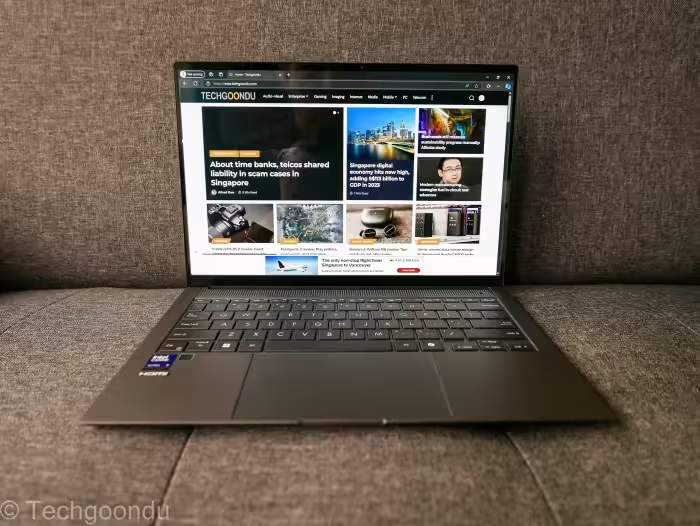
Asus Zenbook S 14 OLED Review
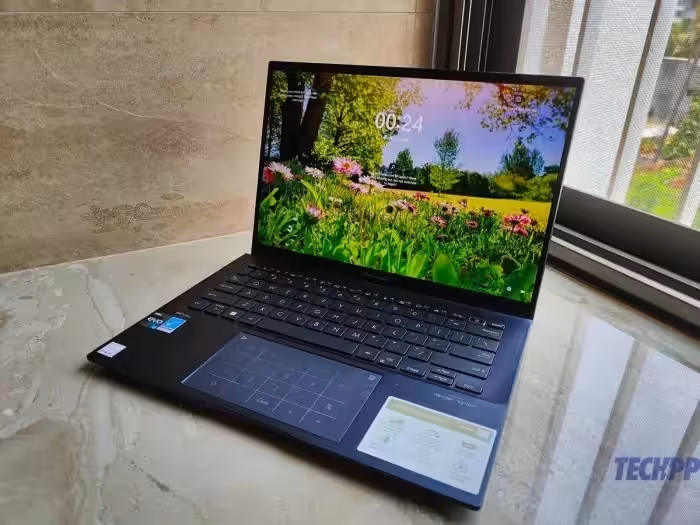
Asus Zenbook S 14 OLED
A premium, ultra-slim Windows ultrabook featuring a unique Ceraluminum chassis, stunning OLED display, and high-efficiency Intel Lunar Lake performance.
How This Score Is Calculated
- Sources analysed: 36 reviews
- Weighted average: 8.4/10
- Consensus bonus: +0.3 (High agreement on display/build)
- Review period: 2023–2024
- Most reviewed featureOLED Display (36/36)
- Most praisedBuild Quality
- Most criticisedHigh Price
- Value for moneyGood Value (7.2/10)
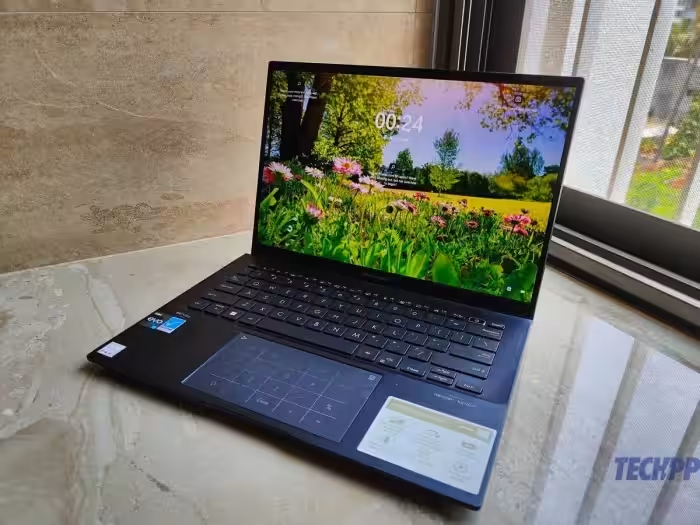
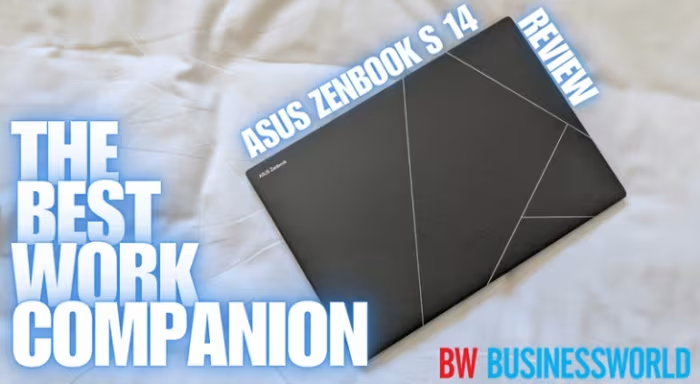
The Asus Zenbook S 14 OLED is widely regarded as a top-tier Windows ultraportable, distinguished by its durable and unique 'Ceraluminum' chassis. Reviewers consistently praise its stunning 3K OLED display and efficient performance, making it a powerful tool for mobile professionals. While its high price point and lack of expandable RAM are common criticisms, it remains a leading alternative to the MacBook Air for users who prefer the Windows ecosystem.
🔧 Key Specifications
- Processor: Intel Core Ultra (Lunar Lake)
- Display: 14-inch 3K Lumina OLED, 120Hz
- Battery: 77Wh
- Connectivity: Thunderbolt 4, Wi-Fi 7, HDMI 2.1
- Build: Ceraluminum (Ceramic-Aluminium)
- Weight: ~1.2kg
💲 Price Range
₹1,34,990 – ₹2,49,990
Prices reflect various configurations and market regions.
📊 What Reviewers Say — Feature by Feature
👍 Key Strengths
- Stunning 3K 120Hz OLED display
- Durable, lightweight Ceraluminum design
- Excellent all-day battery life
- Strong integrated GPU performance
- Efficient Lunar Lake architecture
👎 Key Weaknesses
- High entry-level price point
- Soldered, non-upgradeable RAM
- Glossy screen reflects light
- No SD card slot
- Multi-core performance trails AMD/Qualcomm
💰 Value for Money Analysis
Reviewers generally consider the Zenbook S 14 a fair investment for the premium build and display quality, though the high price is frequently cited as a barrier for budget-conscious buyers.
⚡ Where Reviewers Disagreed
- Keyboard & Trackpad: 15 sources praised the ergonomic keyboard and trackpad, while 12 sources criticised the lack of haptic feedback on the trackpad and a 'mushy' key feel.
🎯 Who This Product Is For
🛠️ Best Use Cases
- Productivity & Multitasking The Intel Lunar Lake efficiency makes it perfect for office suites and web-based workflows. Great
- Creative Work The color-accurate 3K OLED screen is excellent for photo editing and media consumption. Great
🔀 Alternatives Mentioned by Reviewers
- Apple MacBook Air (M3) — Frequently cited as the primary competitor, offering better battery efficiency and ecosystem integration, but limited to macOS.
- Samsung Galaxy Book6 Pro — A direct Windows-based alternative that offers a similarly premium, thin-and-light experience.
- HP OmniBook Ultra 14 — Noted as a strong competitor in the premium ultraportable segment with similar productivity-focused hardware.
- Asus Zenbook 14 (AMD version) — A cheaper alternative that offers better multi-core performance but misses out on some modern Intel-specific connectivity.
🛒 Buyer's Guide
✅ Buy This If…
- You prioritize a premium, lightweight design and display quality.
- You need a Windows machine with excellent battery efficiency for travel.
❌ Skip This If…
- You require heavy multi-core performance for rendering or gaming.
- You need an upgradeable RAM configuration.
📈 Sentiment Trends Over Time
Sentiment has shifted towards praising Intel's new Lunar Lake efficiency compared to older 2023 models.
- Battery Efficiency — Newer models using Lunar Lake show significant improvements in battery life over previous Intel-based iterations.
The Asus Zenbook S 14 OLED is a masterclass in premium design, offering one of the best displays and chassis in the Windows ultrabook market. It is an exceptional choice for professionals who value portability and display fidelity above absolute raw processing power. While the high price and non-upgradeable memory are notable trade-offs, it remains a top-tier contender against the MacBook Air. If you are a Windows user seeking a premium, reliable daily driver, this is an easy recommendation.