DJI Avata 360 Review

DJI Avata 360
A versatile cinewhoop FPV drone featuring 8K 360-degree capture and advanced obstacle avoidance for creative aerial videography.
How This Score Is Calculated
- Sources analysed: 29 reviews
- Explicit scores: 29 sources (weighted 1.5×)
- Raw weighted average: 8.2
- Final score: 8.2/10 (clamped, rounded to 1 decimal)
- Most reviewed feature8K 360-degree video (29/29)
- Most praisedCreative flexibility
- Most criticisedPost-production workflow
- Reviewer consensus levelHigh
- Value for moneyExcellent Value (8.4/10)
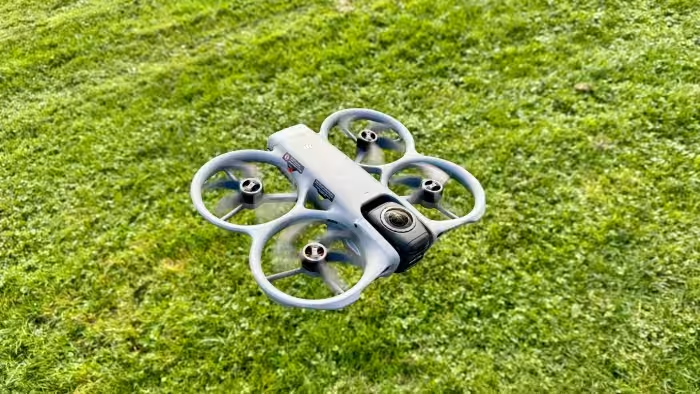
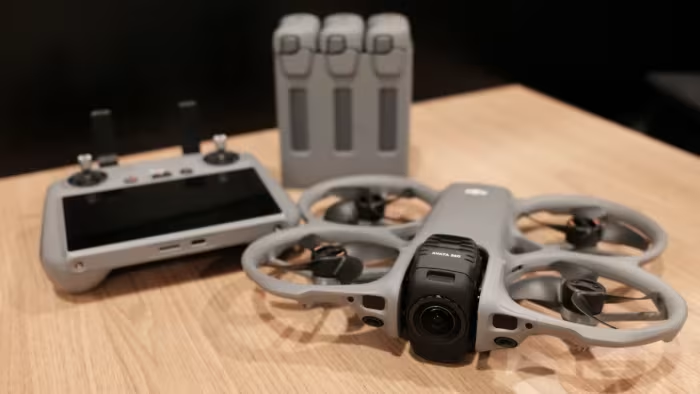
The DJI Avata 360 is a groundbreaking cinewhoop that redefines aerial creativity by allowing pilots to capture full spherical 8K footage for later reframing. While it demands a learning curve for post-production and exceeds the 250g weight class, its robust build, omnidirectional obstacle avoidance, and O4+ transmission make it a superior choice for dynamic filming. It is widely regarded as the most practical 360-degree drone for creators who prioritize flight agility and creative freedom over traditional image fidelity.
🔧 Key Specifications
Specifications sourced from reviewer mentions. Verify with manufacturer for complete details.
- Display: 8K / 60fps 360-degree video
- Storage: 42GB internal + microSD support
- Battery: 16-23 minutes (real-world approx. 18-20 mins)
- Transmission: DJI O4+ (up to 20km range)
- Obstacle Avoidance: Omnidirectional (LiDAR supported)
- Weight: Over 250g (approx. 455g)
- Build Materials: Rugged plastic airframe with propeller guards
- Connectivity: Wi-Fi 6, Bluetooth, USB
💲 Price Range
₹41,000 – ₹87,000
Prices sourced from reviews. Check current retailer pricing.
📊 What Reviewers Say — Feature by Feature
8 features evaluated across 29 sources.
👍 Key Strengths
- Unique 8K 360-degree creative flexibility
- Robust cinewhoop durability with prop guards
- Advanced O4+ transmission reliability
- User-replaceable lenses for easy repair
- Intuitive subject tracking and obstacle avoidance
👎 Key Weaknesses
- Cumbersome post-production reframing workflow
- Short 16-20 minute real-world flight time
- Exceeds 250g weight (requires registration)
- Visible stitching artifacts in close-up shots
- Not water-resistant
💰 Value for Money Analysis
Reviewers widely consider the DJI Avata 360 an exceptional value, noting it often costs significantly less than rivals like the Antigravity A1 while offering superior features and a more polished ecosystem.
29 of 29 sources commented on price or value.
⚡ Where Reviewers Disagreed
The following areas saw meaningful disagreement across sources.
- Ease of Use: 18 sources praised the intuitive flight experience and controller compatibility, while 11 sources highlighted significant friction regarding the software workflow and firmware requirements.
🎯 Who This Product Is For
Reviewer recommendations for different target audiences and use cases.
🛠️ Best Use Cases
- Indoor/Proximity FilmingThe robust propeller guards make this exceptionally safe for filming around obstacles or indoors.Great
- Dynamic Subject TrackingAdvanced tracking modes allow for hands-free following of subjects in high-speed environments.Great
🔀 Alternatives Mentioned by Reviewers
Maximise this list. Include EVERY single competitor, rival, or alternative product mentioned in any of the source reviews.
- Insta360 Antigravity A1 — Frequently cited as the primary rival. While it offers similar 360 capture, reviewers universally agree the Avata 360 is more affordable, durable, and feature-rich, though the A1 is sometimes noted for having a more mature software ecosystem.
- DJI Avata 2 — Mentioned as a more compact, traditional FPV alternative. Reviewers suggest choosing this if you prioritize pure FPV agility and size over 360-degree creative reframing.
- DJI Mini 5 Pro — Referenced as a superior option for traditional high-resolution photography and general videography where 360-degree capture is not required.
- DJI Air 3S — Highlighted for better raw image quality compared to the Avata 360's specialized 360-degree camera system.
- Insta360 X4 — Mentioned in the context of transmission quality, with the Avata 360's O4+ system generally considered more robust for professional drone flight.
Alternatives sourced exclusively from reviewer mentions.
🛒 Buyer's Guide
✅ Buy This If…
- You want the creative freedom to reframe shots after flying.
- You need a durable drone for close-proximity or indoor filming.
- You are a content creator looking for a unique 360-degree perspective.
❌ Skip This If…
- You are a beginner intimidated by complex post-production software.
- You require maximum image sharpness for professional cinematic photography.
- You strictly need a sub-250g drone to avoid registration.
⚠️ Things to Check Before Buying
- Check local regulations, as the drone exceeds the 250g weight class.
- Ensure your computer hardware is powerful enough for 8K 360-degree editing.
- Verify that official DJI support/channels are available in your region.
📈 Sentiment Trends Over Time
Reviews span from launch to long-term usage. The following changes were detected:
- Workflow Integration — While initial excitement was high, long-term reviews continue to highlight that the post-production workflow remains the primary barrier for most users.
The DJI Avata 360 is a masterclass in creative aerial utility, offering unmatched 360-degree reframing capabilities in a highly durable, agile frame. While it requires a commitment to post-production and exceeds weight regulations, its overall performance and price make it an essential tool for modern creators. It is the definitive choice for those who value 'flying now and framing later.' If you prioritize traditional sensor sharpness over creative reframing, consider the DJI Air 3S instead.
Top Alternative: Insta360 Antigravity A1 — A direct 360-degree competitor, though generally considered more expensive and less durable than the DJI ecosystem.