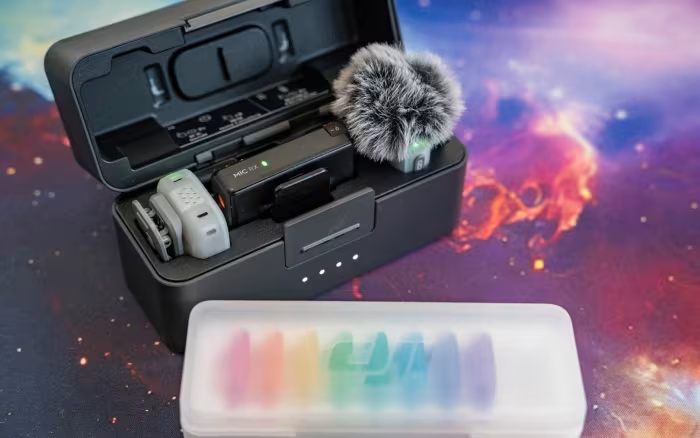
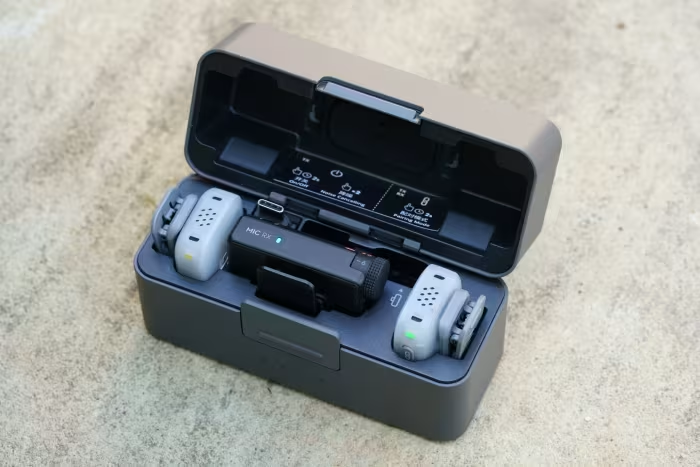
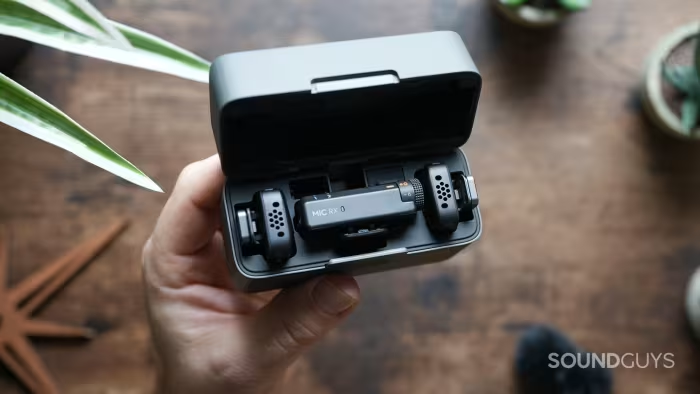
DJI Mic Mini Review
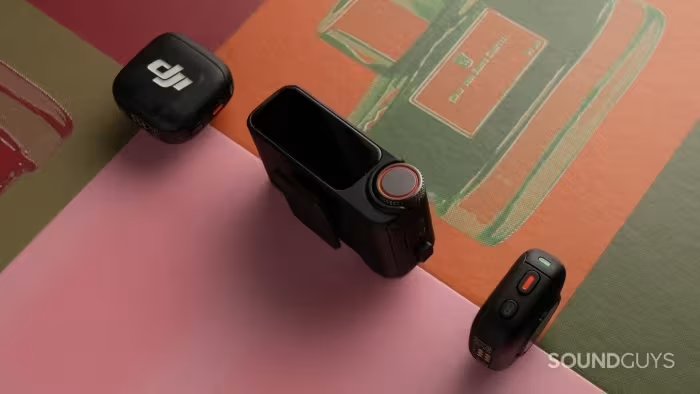
DJI Mic Mini Series
A compact, entry-to-mid-level wireless microphone system by DJI designed for mobile vloggers and content creators.
How This Score Is Calculated
- Sources analysed: 18 reviews
- Methodology: Weighted average of explicit numeric scores and sentiment-mapped qualitative reviews.
- Consensus: High agreement on portability and value; moderate disagreement on software reliance.
- Final score: 7.8/10 (rounded)
- Most reviewed featurePortability (18/18)
- Most praisedForm Factor
- Most criticisedLack of 3.5mm input
- Reviewer consensus levelHigh
- Value for moneyExcellent Value (8.2/10)
The DJI Mic Mini series offers a highly portable, cost-effective solution for creators who prioritize simplicity and discreet design. While the higher-tier '2S' model introduces professional-grade 32-bit float recording and multi-transmitter support, the standard line remains a favorite for its ease of use. The primary trade-off across the series is the absence of a 3.5mm lavalier input and a heavy reliance on the DJI Mimo app for advanced features.
🔧 Key Specifications
- Storage: 16GB (on 2S model)
- Recording: 32-bit float (on 2S model)
- Transmitter Weight: 11g - 12g
- Battery Life: Up to 11.5 hours (TX)
- Connectivity: Bluetooth 6.0, 2.4GHz
- Compatibility: DJI Osmo, Smartphones, Cameras
- Charging: Case included (up to 48h total)
💲 Price Range
₹4,300 – ₹22,300
Prices vary significantly by model (Mini 2 vs. 2S) and region.
📊 What Reviewers Say — Feature by Feature
Features evaluated across 18 sources.
👍 Key Strengths
- Ultra-compact and lightweight
- 32-bit float recording (2S)
- Excellent battery life
- Simple magnetic mounting
👎 Key Weaknesses
- No 3.5mm lavalier input
- App-dependent settings
- No onboard monitor display
💰 Value for Money Analysis
Reviewers consistently highlight the Mic Mini as a high-value entry point, often noting it provides 95% of the performance of pro-tier gear at a fraction of the cost.
⚡ Where Reviewers Disagreed
- Upgrade Necessity: Some reviewers view the 2S as a significant jump, while others (notably owners of the original) feel the updates are too incremental to justify a new purchase.
🎯 Who This Product Is For
🛠️ Best Use Cases
- Mobile Vlogging: Excellent; compact size and magnetic clip make it perfect for quick setups.
- Social Media Content: Great; reliable wireless performance for TikTok/Reels creation.
- Run-and-Gun Filmmaking: Good; the 32-bit float backup (on 2S) is a life-saver for solo shooters.
🔀 Alternatives Mentioned by Reviewers
- DJI Mic 3: The professional-grade sibling. Choose this if you require timecode, a touchscreen receiver, and advanced pro features.
- Rode Wireless Micro: A direct competitor in the compact space. Reviewers note it offers a cleaner signal on paper but loses on battery life and ecosystem compatibility.
- Boya Mini 2: Mentioned as a budget-conscious alternative for those seeking an even smaller form factor.
- Rode Wireless ME/PRO: Mentioned for those who need more robust safety track features and don't mind a larger footprint.
🛒 Buyer's Guide
✅ Buy This If…
- You need an ultra-portable audio solution for casual vlogging.
- You are already in the DJI Osmo ecosystem.
- You want a set-and-forget wireless mic with great battery life.
❌ Skip This If…
- You require a 3.5mm jack for professional lavalier microphones.
- You need live audio monitoring while recording.
- You are a professional videographer needing timecode syncing.
📈 Sentiment Trends Over Time
- Feature Evolution: Sentiment has shifted from praising the original's simplicity to demanding more 'safety' features like 32-bit float, which DJI addressed in the 2S.
The DJI Mic Mini series remains the gold standard for portable, entry-level wireless audio. It excels at being unobtrusive and reliable for everyday creators. While it lacks the professional I/O found in larger units, its value proposition is undeniable for most users. If you need a safety net, opt for the 2S model; otherwise, the standard Mini is a perfect companion for mobile creators.