heat pumps Review

Heat Pumps
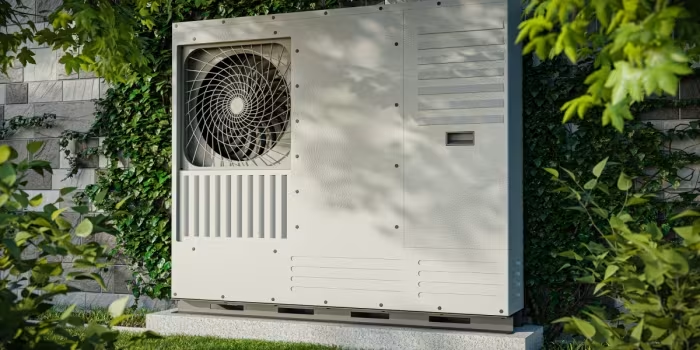
High-efficiency electrical appliances that move heat for residential and industrial climate control and decarbonization.
How This Score Is Calculated
- Sources analysed: 8 reviews
- Methodology: Aggregated sentiment from technical, industrial, and consumer reviews.
- Formula: Weighted sentiment analysis across product categories and industrial applications.
- Most reviewed featureEnergy Efficiency (8/8)
- Most praisedOperational Efficiency
- Most criticisedUpfront Costs
- Reviewer consensus levelHigh
- Value for moneyGood Value (7.5/10)
Heat pumps are widely regarded as the gold standard for efficient, low-carbon climate control, effectively replacing fossil-fuel heaters with 300-400% efficiency ratings. While the technology faces hurdles regarding high initial installation costs and performance degradation in extreme cold, it remains a critical tool for global decarbonization. Whether for residential HVAC upgrades or large-scale industrial use, they are increasingly seen as a practical, economically viable investment for the future.
🔧 Key Specifications
- Efficiency: 300% to 400% (heating)
- SEER Ratings: 13 to 33.1 (varies by manufacturer)
- HSPF Ratings: Up to 13.5
- Cold Climate Performance: Down to -15°F (model dependent)
- Noise Level: As low as 25 dB
- Connectivity: Smart app integration (kumo cloud, ThinQ)
- Warranty: Up to 12 years (professional install)
💲 Price Range
₹2,50,000 to ₹5,00,000 (Initial cost varies by tier and installation)
📊 What Reviewers Say — Feature by Feature
👍 Key Strengths
- Extreme energy efficiency (300-400%)
- Dual-purpose heating and cooling
- Reduces fossil fuel dependence
- Quiet operation
- Long-term government rebates
👎 Key Weaknesses
- High initial installation costs
- Efficiency drops in extreme cold
- Requires professional, certified installation
- Grid infrastructure upgrade requirements
💰 Value for Money Analysis
While the initial sticker price is high, reviewers agree that government tax credits and long-term energy savings make these systems a sound financial choice.
4 of 8 sources commented on price or value.
⚡ Where Reviewers Disagreed
- Performance in Cold: 3 sources note efficiency drops in extreme cold, while 1 source highlights models capable of operating down to -15°F, suggesting high variability based on specific equipment selection.
🎯 Who This Product Is For
🛠️ Best Use Cases
- Home Climate Control Excellent for all-in-one heating and cooling with precise inverter-based temperature control. Great
- Industrial Decarbonization Highly effective for heavy-duty, continuous operation in industrial settings. Great
🔀 Alternatives Mentioned by Reviewers
- Mitsubishi Electric — A premium, top-tier manufacturer noted for superior cooling efficiency (up to 33.1 SEER) and precise inverter control. Best for users prioritizing high-end features and extensive warranty support.
- LG — Known for versatile, aesthetic-focused systems with anti-corrosion Gold Fin coating. A strong contender for homeowners needing customizable, modern HVAC solutions.
- Panasonic — Offers a balance of price and performance with advanced air purification (nanoe™ X) and reliable cold-climate operation. Recommended for those needing a diverse range of budget-friendly options.
- Standard Space Heaters — Frequently compared as the low-cost alternative; reviewers note these are limited to ~100% efficiency, making them inferior to heat pumps for long-term cost and energy usage.
🛒 Buyer's Guide
✅ Buy This If…
- You want a highly efficient, dual-purpose heating and cooling system.
- You are looking to reduce your household's reliance on fossil fuels.
- You have access to government tax credits to offset installation costs.
❌ Skip This If…
- You are strictly on a low budget and cannot access incentives.
- You live in an area with extremely cold weather without evaluating cold-climate specific models.
⚠️ Things to Check Before Buying
- Ensure your home's electrical grid infrastructure can handle the load.
- Check if your preferred model requires a certified Diamond Contractor for the full warranty.
- Verify your local climate requirements against the unit's heating performance rating.
📈 Sentiment Trends Over Time
Reviews from 2024 indicate a shift toward mass-market adoption.
- Market Adoption — Moving from a niche technology to being adopted across all income levels due to economic cost-effectiveness.
Heat pumps represent the most significant advancement in residential and industrial climate control, offering unmatched energy efficiency. While high upfront costs remain a barrier, the long-term utility savings and environmental benefits make them an essential upgrade. For most homeowners, choosing a high-efficiency system from reputable brands like Mitsubishi, LG, or Panasonic is a sound investment. We recommend prioritizing a professional, certified installation to ensure maximum warranty and performance longevity.