HP ZBook Ultra G1A 14 Review
HP ZBook Ultra G1a 14
A compact, high-performance 14-inch mobile workstation featuring AMD Strix Halo architecture, designed for AI and CAD professionals.
How This Score Is Calculated
- Sources analysed: 10 reviews
- Explicit scores: 5 sources (weighted 1.5×)
- Sentiment-only: 5 sources (weighted 1.0×)
- Split: 6 Positive · 3 Mixed · 1 Negative
- Raw weighted average: 7.4
- Formula: Σ(score × weight) ÷ Σ(weight)
- Review period: Recent launch window
- Value sources: 7 of 10 mentioned price or value
- Final score: 7.4/10 (clamped, rounded to 1 decimal)
- Most reviewed featurePerformance (10/10)
- Most praisedCompact Power
- Most criticisedSoldered RAM
- Reviewer consensus levelModerate
- Value for moneyOverpriced (3.5/10)
The HP ZBook Ultra G1a 14 is a landmark achievement in miniaturizing workstation-class performance, driven by the innovative AMD Strix Halo APU. It excels as a portable powerhouse for AI inference and CAD workloads, offering massive unified memory capacity in a surprisingly robust chassis. However, its appeal is severely tempered by high pricing, non-upgradeable soldered RAM, and underwhelming battery life, making it a specialized tool rather than a general-purpose laptop.
🔧 Key Specifications
- Processor: AMD Ryzen AI Max+ PRO 395
- RAM: Up to 128GB (Soldered)
- Storage: Up to 2TB NVMe SSD
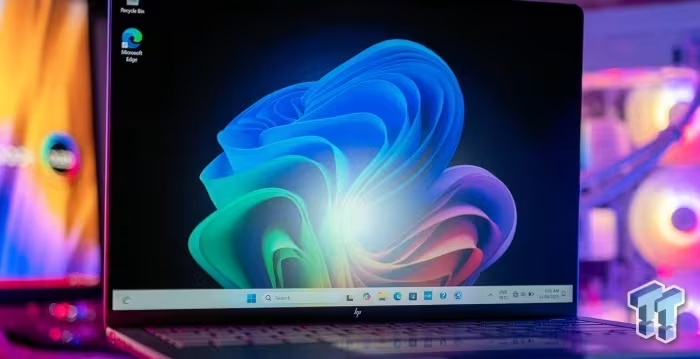
- Display: 14-inch OLED, 2,880 x 1,800, 120Hz, 400 nits
- Battery: Average capacity; power-hungry
- Charging: 140W USB-C (50% in 20 mins)
- Webcam: 1440p with AI features
- Ports: Full-sized HDMI 2.1, USB-C on both sides
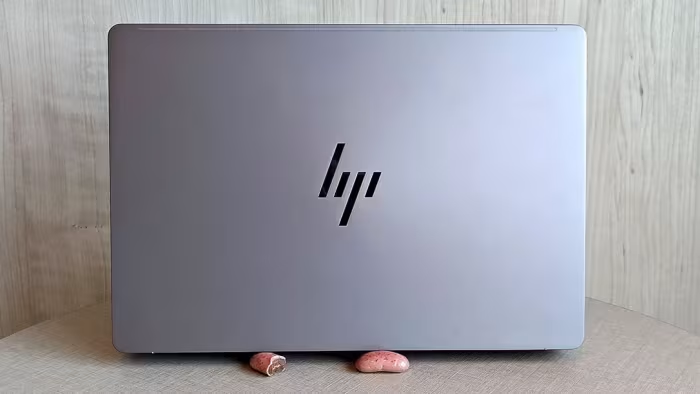
- Build: Aluminium chassis
💲 Price Range
Approximately €3,643 to ₹6,90,000
Pricing varies significantly by configuration and region.
📊 What Reviewers Say — Feature by Feature
👍 Key Strengths
- Extreme power-to-size ratio
- Excellent 1440p webcam
- Robust aluminium chassis
- Fast 140W charging
- Large memory capacity
👎 Key Weaknesses
- Soldered, non-upgradeable RAM
- Very high price point
- Underwhelming battery life
- Limited screen brightness
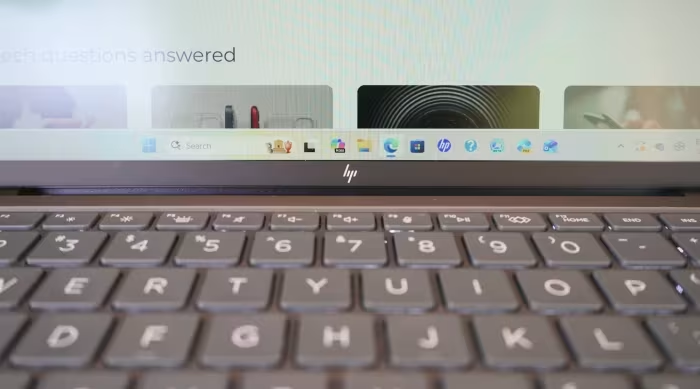
- Squished arrow keys
💰 Value for Money Analysis
Reviewers consistently describe the pricing as "spicy," "eye-watering," or "aspirational." While the technology is bleeding-edge, the performance-per-dollar ratio is difficult to justify for any user outside of specialized professional AI and CAD workflows.
7 of 10 sources commented on price or value.
⚡ Where Reviewers Disagreed
- Display Quality: 3 sources praised the OLED panel for its clarity and color, while 4 sources criticized it for low brightness (400 nits) and visible pixel grids.
🎯 Who This Product Is For
🛠️ Best Use Cases
- Local AI Inference High memory capacity and GPU performance allow for running large language models locally. Great
- Mobile CAD Work ISV certifications and high-performance APU handle professional design software with ease. Great
- Everyday Portability Despite the power, the thermal management and compact size make it easy to carry. Good
🔀 Alternatives Mentioned by Reviewers
- Apple MacBook Pro 14 — Frequently cited as the primary competitor. While the ZBook offers unique Windows-based AI memory flexibility, the MacBook Pro is noted for its superior display brightness and overall battery efficiency.
- Dell Precision 5490 — A direct competitor in the 14-inch professional workstation space. Reviewers suggest this as an alternative for those requiring traditional Nvidia-based graphics workflows.
- ThinkPad P14 Series — Mentioned as an alternative professional workstation. It is often compared for its brand-specific durability and keyboard feel, though it may lack the specific Strix Halo performance density of the ZBook.
🛒 Buyer's Guide
✅ Buy This If…
- You require professional-grade AI inference performance in a compact 14-inch chassis.
- You need high-bandwidth unified memory for CAD and rendering workflows.
- Portability is a higher priority than extreme battery life or display brightness.
❌ Skip This If…
- You are a casual user or student; this is prohibitively expensive and overkill.
- You require a laptop with user-upgradeable memory.
- You need a display bright enough for outdoor or high-glare professional environments.
The HP ZBook Ultra G1a 14 is a technical marvel that successfully brings workstation-grade AI performance to a 14-inch form factor. While its soldered memory and high price tag are significant drawbacks, it remains a top-tier choice for professionals who need maximum power in their backpack. If your workflow demands local AI or heavy CAD rendering, this is a unique, powerful tool. For everyone else, its professional premium is simply too high to justify.