RayNeo Air 3s Review
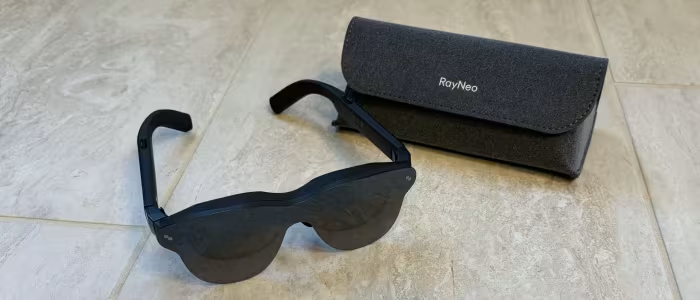
RayNeo Air 3s / 3s Pro
Budget-friendly XR display glasses providing a high-quality, 201-inch virtual cinema experience for portable media consumption.
How This Score Is Calculated
- Sources analysed: 16 reviews
- Raw weighted average: 8.2/10
- Value sources: 16 of 16 mentioned price or value
- Final score: 8.2/10 (clamped, rounded to 1 decimal)
- Most reviewed featureDisplay Quality (16/16)
- Most praisedPrice-to-performance
- Most criticisedLack of focus/IPD adjustment
- Reviewer consensus levelHigh
- Value for moneyExceptional Value (9.2/10)
The RayNeo Air 3s and 3s Pro are widely regarded as the premier budget entry point for virtual display glasses, offering a vibrant, bright micro-OLED cinema experience that punches well above its price tag. While they strip away premium niceties like diopter focus dials and advanced spatial tracking found in more expensive competitors, they excel at plug-and-play media consumption. They are the ideal choice for travelers and movie enthusiasts who want a massive screen without the premium price, provided they are comfortable with a fixed-focus viewing experience.
🔧 Key Specifications
- Display: Micro-OLED, 1080p, 201-inch virtual size
- Brightness: Up to 1,200 nits
- Connectivity: USB-C (Plug-and-Play)
- Audio: Quad speakers with spatial support
- Tracking: None (Lacks 3DoF)
- Weight: Lightweight design
💲 Price Range
$269 – $299 (approx. ₹18,400 – ₹29,500)
Prices fluctuate by region and retailer.
📊 What Reviewers Say — Feature by Feature
16 features evaluated across 16 sources.
👍 Key Strengths
- Industry-leading 1,200 nit brightness
- Excellent value proposition
- Rich, clear spatial audio
- Lightweight, comfortable design
- Simple plug-and-play connectivity
👎 Key Weaknesses
- No diopter or IPD adjustment
- Lack of ambient light blockers
- Plastic build feels cheap
- No 3DoF spatial tracking
- Requires tethered connection
💰 Value for Money Analysis
Reviewers almost universally label this as the best budget-friendly XR option. By sacrificing premium features like focus dials, it achieves a price point ($269-$299) that undercuts competitors while maintaining core display performance.
⚡ Where Reviewers Disagreed
- Spatial Audio Mode: 5 sources praised the audio as clear and full, while 3 sources specifically called the dedicated spatial audio mode "disappointing" or "echoey," suggesting the hardware is good but the software processing is hit-or-miss.
🎯 Who This Product Is For
🛠️ Best Use Cases
- Private Cinema Excellent for watching movies in bed or on a plane due to the high-quality micro-OLED panel. Great
- Casual Gaming Good for standard console gaming, though the lack of 3DoF makes it less suitable for competitive or high-end AR titles. Good
🔀 Alternatives Mentioned by Reviewers
- XREAL Air 2 Pro / One Pro — A premium alternative featuring dimmable lenses and superior build quality, but at a significantly higher price point. Choose this if you want more comfort features and light control.
- VITURE Luma / Luma Pro — A direct competitor with more advanced focus dials and software integration. Best for users who need custom vision adjustments and are willing to pay for the extra convenience.
- Rokid Max 2 — Often compared for its 3DoF capabilities; recommended for those who prioritize tracking and AR-specific features over pure budget-focused media consumption.
✅ Buy This If…
- You want a high-quality, large virtual screen on a budget.
- You prioritize display brightness and color accuracy.
- You need a simple, plug-and-play device for media.
❌ Skip This If…
- You have specific vision needs (no built-in focus dials).
- You need advanced AR/3DoF head-tracking features.
- You are sensitive to ambient light leakage.
⚠️ Things to Check Before Buying
- Ensure your devices support USB-C display output.
- Check if you need to order prescription lens inserts.
- Consider purchasing a separate light-blocking cover if available.
📈 Sentiment Trends Over Time
Reviews span from initial 3s models to the 3s Pro updates.
- Brightness & Audio — The Pro iteration significantly improved peak brightness (1,200 nits) and audio bass response over the original 3s.
The RayNeo Air 3s (and 3s Pro) is the definitive budget choice for personal cinema on the go. While it cuts costs by omitting focus dials and advanced tracking, it delivers a superior micro-OLED viewing experience that rivals much more expensive hardware. If you are a media enthusiast who doesn't need high-end spatial computing, this is the best value you will find. Buy this for the screen; look elsewhere only if you require specific diopter adjustments.
Top Alternative: Viture Luma — Choose this if you need built-in focus dials for glasses-free viewing.