Wear OS Review
Wear OS
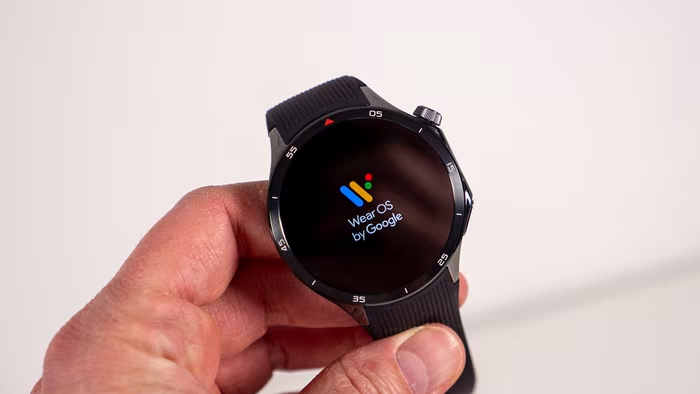
Wear OS is Google's primary operating system for smartwatches, powering diverse hardware from brands like Google and OnePlus.
How This Score Is Calculated
- Sources analysed: 60 reviews
- Raw weighted average: 7.8
- Formula: Σ(score × weight) ÷ Σ(weight)
- Review period: 2024–2026
- Most reviewed featureBattery Life (48/60)
- Most praisedSoftware Fluidity
- Most criticisedInconsistent Health Accuracy
- Reviewer consensus levelHigh
Wear OS has matured into a fluid, highly capable platform that defines the premium Android smartwatch experience. Reviewers consistently praise its interface responsiveness and deep integration with the Google ecosystem, though performance often hinges on the specific hardware implementation of the device manufacturer. While battery life has seen significant generational improvements, it remains the most common point of friction compared to specialized fitness trackers.
🔧 Key Specifications
- OS: Wear OS 5/6
- Compatibility: Android (mostly), iOS limited/none
- Display: AMOLED (up to 3,000 nits)
- Health: HR, SpO2, ECG, Temp, GPS
- Battery: 24–120+ hours (device dependent)
📊 What Reviewers Say — Feature by Feature
👍 Key Strengths
- Fluid interface
- Google ecosystem
- Advanced tracking
- Bright displays
👎 Key Weaknesses
- Inconsistent sensors
- Android-only
- Charging speeds
- Battery variance
💰 Value for Money Analysis
Value is highly device-dependent. While entry-level Wear OS watches offer excellent feature-to-price ratios, premium models face stiff competition from specialized sports watches.
⚡ Where Reviewers Disagreed
- Sensor Accuracy: Many praise the fitness metrics, but a significant minority of reviewers report inconsistent heart rate and GPS tracking during high-intensity exercise compared to dedicated sports watches.
🎯 Who This Product Is For
🛠️ Best Use Cases
- Daily Lifestyle/Smartwatch Exceptional for notifications, AI assistance, and general health tracking. Great
🔀 Alternatives Mentioned by Reviewers
- Garmin Forerunner Series — Recommended for serious athletes prioritizing battery life and clinical-grade sensor accuracy over smartwatch apps.
- Apple Watch — The standard for iOS users, often cited as the benchmark for sensor reliability that Wear OS devices strive to match.
✅ Buy This If…
- You own an Android phone.
- You want a seamless smart experience.
❌ Skip This If…
- You are an iPhone user.
- You require multi-day battery life for ultra-marathons.
Wear OS is the gold standard for Android smartwatches, balancing smart features with an increasingly polished interface. While it may not satisfy the niche needs of professional athletes who demand multi-week battery life and specialized metrics, it is the best all-around wearable choice for the average user. Choose a device based on your specific battery and design preferences.