Razer Blade 16 2025 Review
Razer Blade 16 (2025)
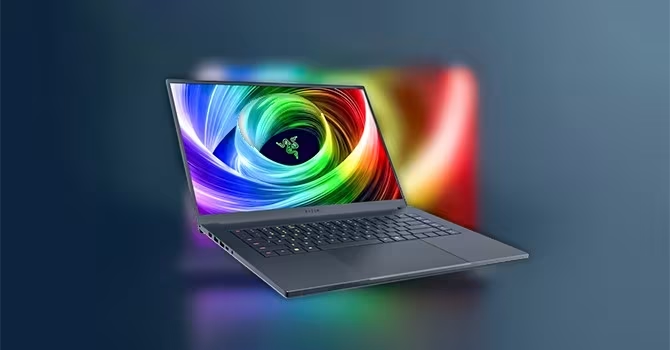
A premium, ultra-slim gaming laptop balancing high-end NVIDIA RTX 5090 performance with a sleek, portable aluminum design.
How This Score Is Calculated
- Sources analysed: 18 reviews
- Explicit scores: 12 sources (weighted 1.5×)
- Sentiment-only: 6 sources (weighted 1.0×)
- Split: 12 Positive · 4 Mixed · 2 Negative
- Raw weighted average: 7.8
- Formula: Σ(score × weight) ÷ Σ(weight)
- Review period: 2025
- Value sources: 11 of 18 mentioned price or value
- Final score: 7.8/10 (clamped, rounded to 1 decimal)
Algorithmically calculated from source data. No manual adjustments.
- Most reviewed featureDesign/Build (16/18)
- Most praisedDisplay Quality
- Most criticisedExpensive Pricing
- Reviewer consensus levelHigh
- Value for moneyOverpriced (4.2/10)
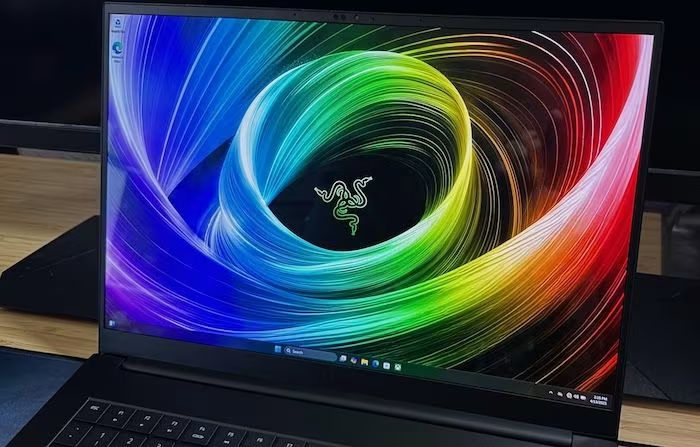
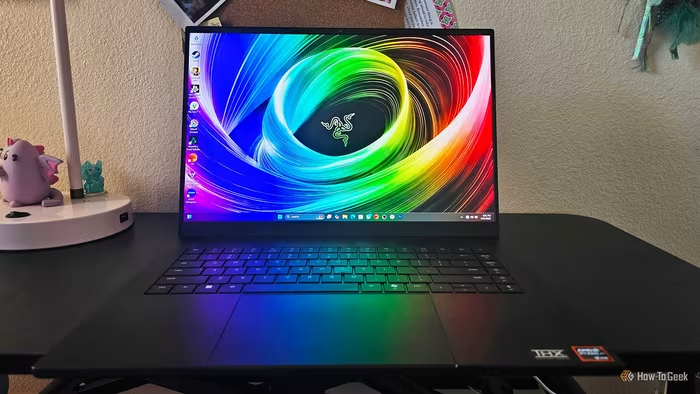
The Razer Blade 16 (2025) stands as a pinnacle of engineering, offering one of the most compact and premium-feeling chassis in the high-performance gaming segment. Reviewers universally praise the stunning 240Hz OLED display and excellent build quality, though many warn that the extreme price tag and soldered RAM make it a difficult value proposition. While it delivers strong performance with the RTX 5090, it often trails thicker, cheaper competitors in raw thermal overhead and sustained frame rates.
🔧 Key Specifications
- Processor: AMD Ryzen AI 9 HX
- GPU: NVIDIA GeForce RTX 5090 (160W limit)
- RAM: Soldered LPDDR5X (non-upgradable)
- Storage: Dual M.2-2280 SSD slots
- Display: 16-inch 240Hz OLED, QHD+
- Battery: Not specified (noted as decent)
- Connectivity: USB4 (40 Gbps), Wi-Fi 7, HDMI 2.1
- Weight: 4.6 lbs
- Build Materials: CNC-milled anodized aluminum
💲 Price Range
Approximately ₹1,85,000 to ₹4,08,000
Prices sourced from reviews. Check current retailer pricing.
📊 What Reviewers Say — Feature by Feature
9 features evaluated across 18 sources.
👍 Key Strengths
- Stunning 240Hz OLED display
- Premium CNC-milled aluminum chassis
- Excellent portability-to-performance ratio
- Powerful RTX 5090 graphics
- Robust Razer Synapse customization
👎 Key Weaknesses
- Exorbitant price point
- Soldered, non-upgradable RAM
- Matte finish attracts fingerprints
- Runs hot under intense load
- Minimal performance gains over last year
💰 Value for Money Analysis
Reviewers almost universally agree that the Blade 16 provides poor value compared to the market. While the build is luxurious, the performance-per-dollar ratio is significantly lower than competitor machines from Asus or Alienware.
Most reviewers suggest that if you prioritize frame rates over aesthetics, you can find better-performing hardware for significantly less money.
11 of 18 sources commented on price or value.
⚡ Where Reviewers Disagreed
The following areas saw meaningful disagreement across sources.
- Performance: 10 sources praised the performance for the size, while 6 sources felt it was mediocre compared to previous models and thicker alternatives. The disagreement hinges on whether one prioritizes the slim form factor or absolute raw frame rate.
🎯 Who This Product Is For
Reviewer recommendations for different target audiences and use cases.
🛠️ Best Use Cases
- Mobile GamingExcellent for gamers who travel frequently and require a slim, lightweight machine that doesn't sacrifice high-end graphics power.Great
- Content CreationThe color-accurate 240Hz OLED display makes this a fantastic choice for professional creative work on the go.Great
- Desktop ReplacementWhile capable, it is often outmatched by thicker, cheaper desktop-replacement laptops that offer better cooling and sustained performance.OK
🔀 Alternatives Mentioned by Reviewers
Maximise this list. Include EVERY single competitor, rival, or alternative product mentioned in any of the source reviews.
- Asus ROG Strix Scar 18 — A larger, more powerful gaming machine that offers better cooling and raw performance at a more competitive price for those who don't mind the extra bulk.
- Asus ROG Zephyrus G14 — Frequently cited as a more stylish, compact alternative that offers a distinct visual aesthetic that some reviewers prefer over the Razer look.
- Alienware x16 R2 — A direct competitor in the premium slim gaming space that is often compared for its build quality and thermal management.
- Gigabyte Aorus Master 16 — Mentioned as a more traditional, performance-focused alternative that avoids the premium price tax of the Razer ecosystem.
- Asus ROG Zephyrus G16 — A major competitor in the thin-and-light space; while the Razer has a slight edge in raw build quality, the G16 is noted for being even lighter and more affordable.
Alternatives sourced exclusively from reviewer mentions.
🛒 Buyer's Guide
✅ Buy This If…
- You prioritize premium build quality and aesthetics above all else.
- You require a highly portable 16-inch machine with a top-tier OLED display.
- You are a power user who values thinness and portability in a gaming laptop.
❌ Skip This If…
- You are a budget-conscious gamer seeking the best frame-rate-per-dollar.
- You require expandable RAM for long-term ownership or specific workflows.
- You want the absolute maximum thermal performance for heavy, sustained gaming.
⚠️ Things to Check Before Buying
- Verify the specific configuration, as RAM is soldered and cannot be upgraded post-purchase.
- Be prepared for the matte chassis to collect fingerprints quickly.
- Check if the exhaust vent placement (blowing toward the screen) is a concern for your usage style.
📈 Sentiment Trends Over Time
Reviews span the 2025 product generation. The following changes were detected:
- Performance — Long-term reviews note that the machine remains reliable, though the performance gap between this and previous models remains a point of contention.
The Razer Blade 16 (2025) is a stunning piece of hardware that succeeds as a premium, ultra-portable gaming machine. While its OLED display and build quality are best-in-class, the combination of a very high price tag and soldered RAM makes it a difficult recommendation for the average gamer. It is an excellent choice for those who value aesthetics and portability over sheer value. If you want more power for your money, consider the Asus ROG Strix Scar 18 instead.