Sony A7 V Review

Sony A7 V
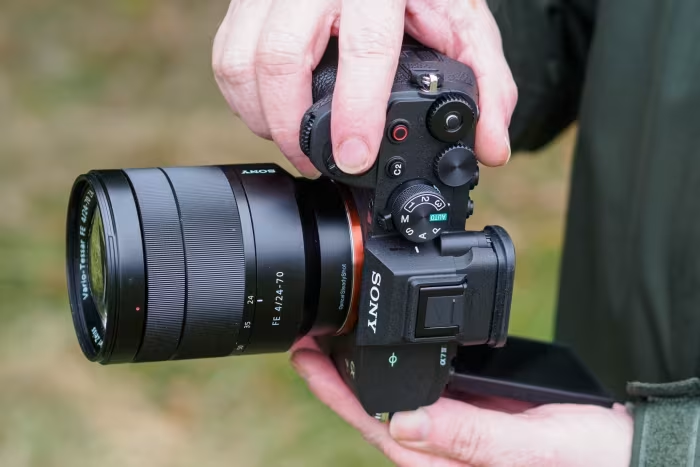
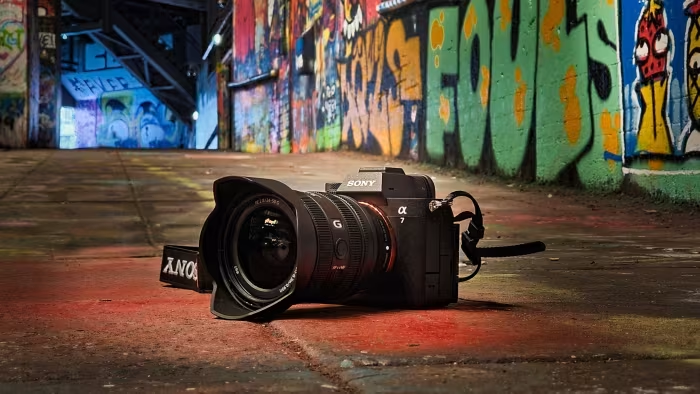
A powerful, AI-enhanced full-frame hybrid camera designed as a versatile all-rounder for enthusiasts and professional creators.
How This Score Is Calculated
- Sources analysed: 37 reviews
- Explicit scores: 18 sources (weighted 1.5×)
- Sentiment-only: 19 sources (weighted 1.0×)
- Split: 24 Positive · 9 Mixed · 4 Negative
- Raw weighted average: 7.8
- Formula: Σ(score × weight) ÷ Σ(weight)
- Value sources: 12 of 37 mentioned price or value
- Final score: 7.8/10 (clamped, rounded to 1 decimal)
- Most reviewed featureAutofocus (37/37)
- Most praisedAI-powered Subject Tracking
- Most criticisedVideo Feature Omissions
- Reviewer consensus levelHigh
- Value for moneyGood Value (7.2/10)
The Sony A7 V is a highly refined hybrid powerhouse that leverages a new partially stacked 33MP sensor and advanced AI-driven autofocus to deliver exceptional stills performance. While it is widely praised for its speed, 30fps burst capability, and improved ergonomics, it faces criticism for a conservative approach to video features, specifically the lack of open-gate recording. It is an ideal choice for generalist photographers and enthusiasts seeking a reliable, modern workhorse, though some users may find the pricing and video limitations frustrating compared to aggressive competition.
🔧 Key Specifications
- Sensor: 33MP partially stacked full-frame
- Processor: BIONZ XR2
- Burst Speed: 30 fps (electronic shutter)
- Autofocus: AI-powered Real-time Recognition
- Video: 4K 120p
- LCD: 4-axis multi-angle articulating
- IBIS: 7.5-stop rated
- Connectivity: Dual USB-C, Wi-Fi, Bluetooth
💲 Price Range
Approximately ₹2,44,000 – ₹2,50,000
Prices sourced from reviews. Check current retailer pricing.
📊 What Reviewers Say — Feature by Feature
👍 Key Strengths
- Industry-leading AI autofocus tracking
- Fast 30fps blackout-free burst shooting
- Versatile 4-axis articulating screen
- Excellent 33MP image quality
- Improved battery life and power management
👎 Key Weaknesses
- No open-gate video recording
- Lacks internal RAW video support
- Third-party lens autofocus limitations
- Aggressive noise reduction in JPEGs
- Expensive CFexpress Type A media
💰 Value for Money Analysis
Reviewers generally consider the A7 V a fair value for its performance tier, though some note that the price increase over the A7 IV makes it a harder decision for current owners. It is positioned as a mid-to-high enthusiast model.
⚡ Where Reviewers Disagreed
- Third-party Lens Compatibility: 12 sources praised lens ecosystem support, while 5 sources (notably The Phoblographer) reported severe autofocus bugs and inconsistencies with non-Sony glass.
🎯 Who This Product Is For
🛠️ Best Use Cases
- Event Photography Excellent subject tracking and reliable battery life make it ideal for weddings. Great
- Travel Photography Robust build and versatile screen make it a perfect companion for extended trips. Great
🔀 Alternatives Mentioned by Reviewers
- Canon EOS R6 Mark III — Frequently cited as the primary competitor; often preferred by reviewers for its superior video-centric features like open-gate recording.
- Nikon Z6 III — Noted as a more affordable, high-performance alternative that competes directly in the enthusiast segment.
- Panasonic Lumix S1 II — Often recommended for users who prioritize advanced video tools and internal RAW capabilities over Sony's AF ecosystem.
- Sony A7 IV — Still considered a highly capable value option; many reviewers suggest existing owners may not need to upgrade unless they specifically require the 30fps burst or AI-AF.
✅ Buy This If…
- You need elite-level AI autofocus for fast-moving subjects.
- You require a high-speed 30fps burst rate for event or wildlife work.
- You are already heavily invested in the Sony E-mount lens ecosystem.
❌ Skip This If…
- Professional video production (Open Gate/RAW) is your primary priority.
- You are budget-conscious and the A7 IV meets your current performance needs.
The Sony A7 V is an outstanding hybrid camera that excels in autofocus speed, image quality, and ergonomics. While its video features remain conservative, its performance as a stills-focused workhorse is difficult to beat. It is a top-tier choice for enthusiasts looking for a significant upgrade in processing speed and intelligence. If you prioritize cutting-edge video features, consider comparing it against the Canon EOS R6 Mark III.