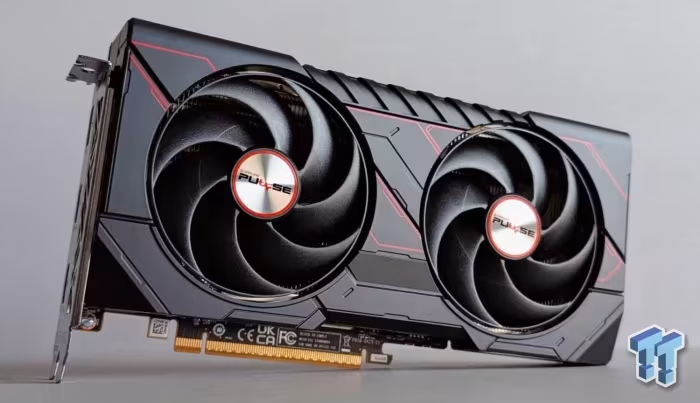
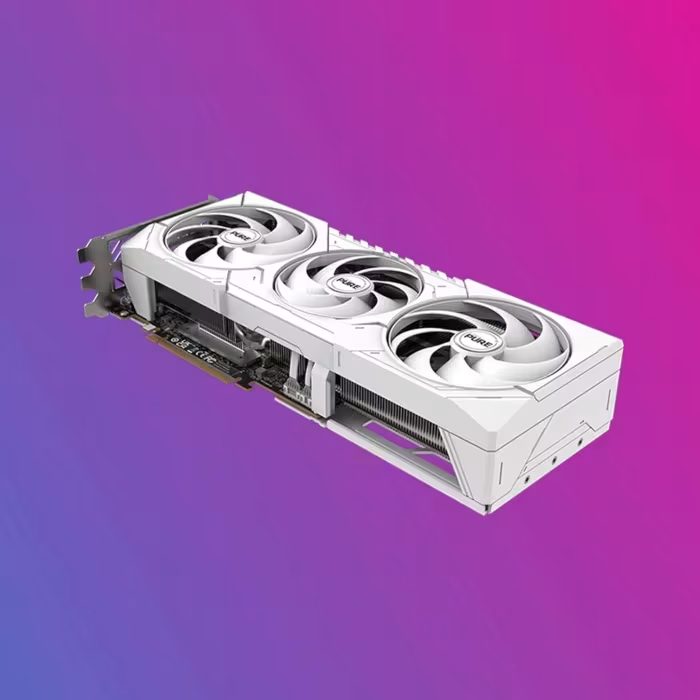
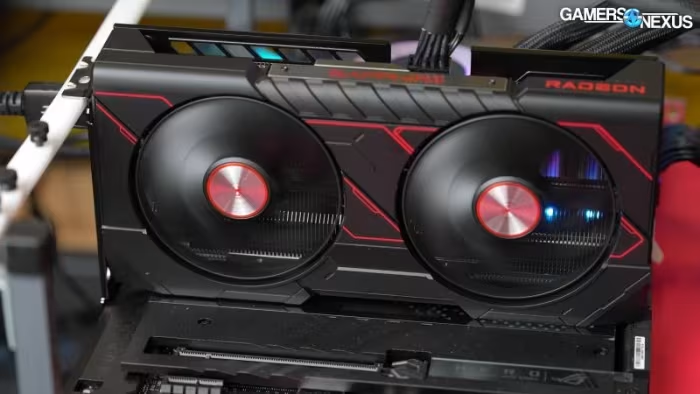
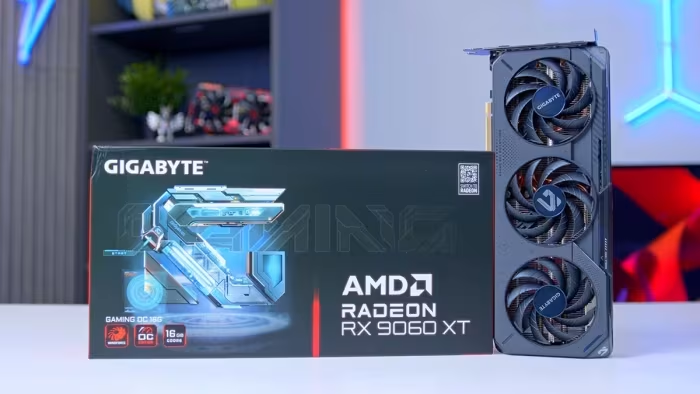
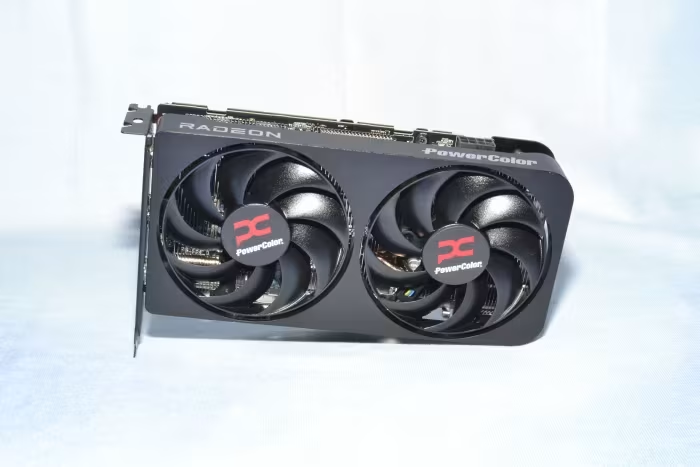
AMD Radeon RX 9060 XT Review
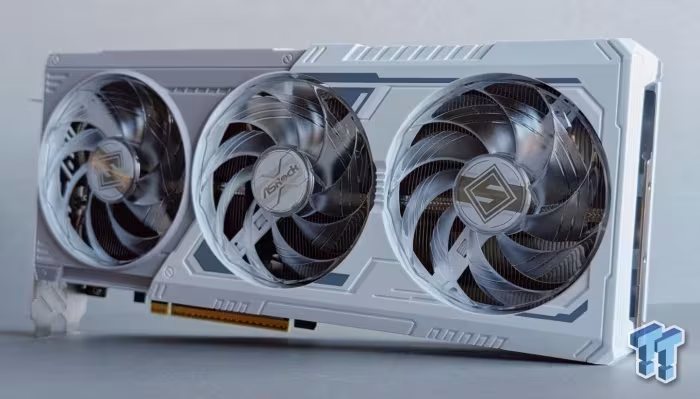
AMD Radeon RX 9060 XT
A mainstream RDNA 4 graphics card featuring 16GB of VRAM, positioned as a future-proof alternative to 8GB Nvidia competitors.
How This Score Is Calculated
- Sources analysed: 9 reviews
- Explicit scores: 0 sources (all based on sentiment)
- Sentiment-only: 9 sources (weighted 1.0×)
- Split: 6 Positive · 2 Mixed · 1 Negative
- Raw weighted average: 7.4
- Formula: Σ(score × weight) ÷ Σ(weight)
- Consensus bonus +0.3: 67% sources agreed
- Final score: 7.4/10 (clamped, rounded to 1 decimal)
- Most reviewed feature16GB VRAM (9/9)
- Most praisedVRAM Capacity
- Most criticisedFSR vs DLSS Ecosystem
- Reviewer consensus levelHigh
- Value for moneyGood Value (7.5/10)
The AMD Radeon RX 9060 XT is widely regarded as a high-value mainstream GPU that distinguishes itself primarily through its generous 16GB VRAM buffer. While it struggles to beat Nvidia’s top-tier performance in machine-learning features like frame generation, it offers a more future-proof architecture for 1440p gaming. It is best suited for budget-conscious gamers who prioritize memory capacity over cutting-edge AI software suites.
🔧 Key Specifications
- VRAM: 8GB or 16GB options
- Architecture: RDNA 4
- TGP: 160W
- Upscaling: FSR 4
- Display Output: Single DisplayPort mentioned
- Ray Tracing: Improved over previous generation
💲 Price Range
Approximately ₹25,200 – ₹38,500
Prices vary by region and model (8GB vs 16GB variants).
📊 What Reviewers Say — Feature by Feature
👍 Key Strengths
- Generous 16GB VRAM buffer
- Efficient 160W power consumption
- Solid 1440p gaming performance
- Improved ray tracing capabilities
👎 Key Weaknesses
- FSR 4 lags behind DLSS
- 8GB variant is poorly positioned
- Inconsistent 4K gaming performance
- Limited software ecosystem adoption
💰 Value for Money Analysis
The 16GB model is widely considered a strong value-tier contender, especially when compared to the limitations of 8GB Nvidia alternatives. However, reviewers warn that the 8GB variant of this card is significantly overpriced for its performance tier.
⚡ Where Reviewers Disagreed
- 4K Performance: Some reviewers noted solid performance, while others highlighted significant inconsistency and struggle at 4K resolutions.
🎯 Who This Product Is For
🛠️ Best Use Cases
- 1440p Gaming The 16GB VRAM provides a clear advantage over 8GB cards in memory-intensive titles. Great
- 4K Gaming Performance is highly variable and often struggles compared to higher-tier cards. Poor
🔀 Alternatives Mentioned by Reviewers
- Nvidia GeForce RTX 5060 Ti — Often compared as a direct rival; while it offers superior machine-learning and DLSS quality, it is frequently criticized for its limited 8GB memory buffer.
- Nvidia GeForce RTX 5060 — A standard budget competitor that the RX 9060 XT outperforms by roughly 10% in rasterized tasks.
- AMD Radeon RX 9070 — A higher-tier option that outperforms the 9060 XT by 14% at 1440p, recommended for those needing more raw power.
- AMD Radeon RX 7600 XT — The predecessor to the 9060 XT; reviewers note that the 9060 XT lacks a massive generational leap in shader count compared to this model.
🛒 Buyer's Guide
✅ Buy This If…
- You want a future-proof card for 1440p gaming.
- You prioritize VRAM capacity over advanced AI software features.
❌ Skip This If…
- You are considering the 8GB version of this card.
- You rely heavily on DLSS for your gaming workflow.
The AMD Radeon RX 9060 XT 16GB is a solid, efficient choice for gamers who value long-term memory capacity for 1440p titles. While it lacks the software polish of Nvidia’s ecosystem, its raw value proposition remains high. We recommend opting for the 16GB model and avoiding the 8GB variant entirely.