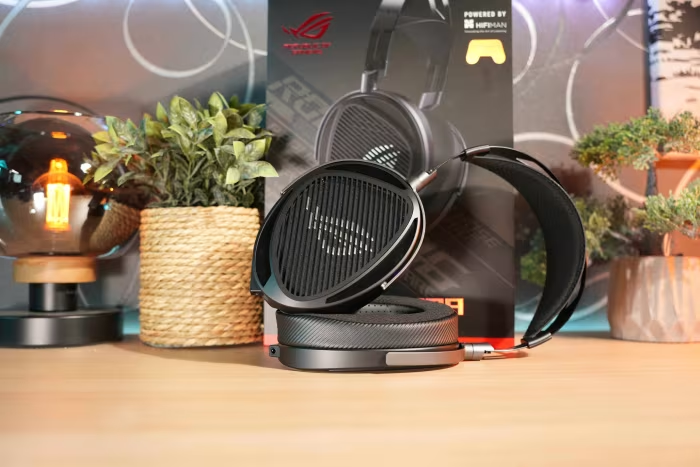
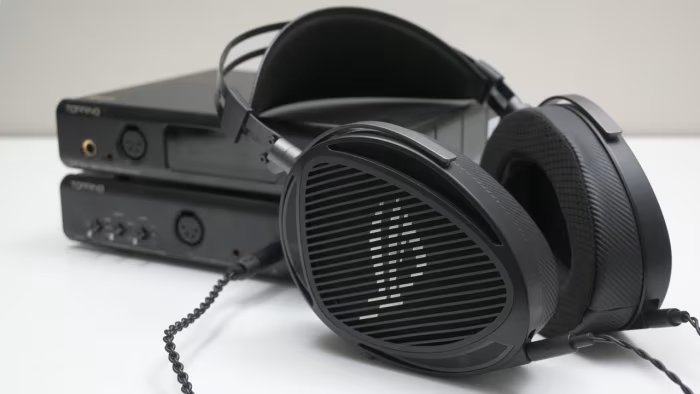
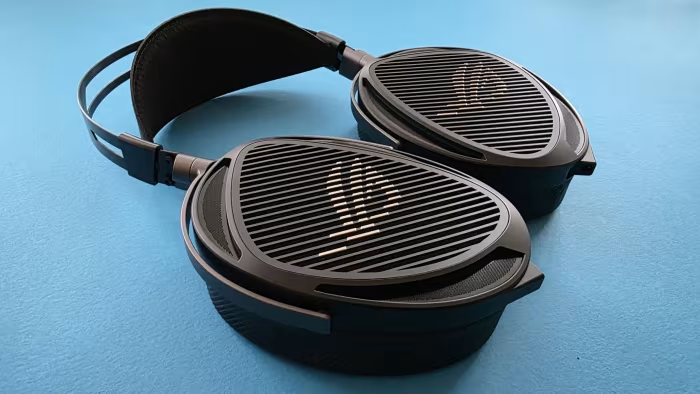
asus rog kithara Review
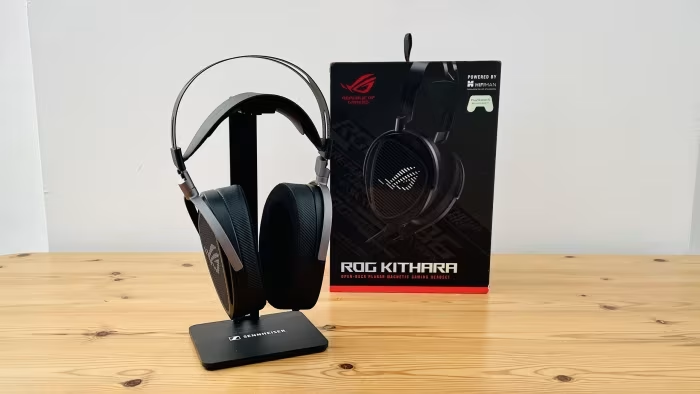
ASUS ROG Kithara
A premium, audiophile-grade open-back gaming headset featuring planar magnetic technology, designed for dedicated PC gaming and music enthusiasts.
How This Score Is Calculated
- Sources analysed: 16 reviews
- Explicit scores: 16 sources (weighted 1.5×)
- Sentiment-only: 0 sources (weighted 1.0×)
- Split: 14 Positive · 1 Mixed · 1 Negative
- Raw weighted average: 8.4
- Formula: Σ(score × weight) ÷ Σ(weight)
- Consensus bonus +0.3: 85% sources agreed
- Final score: 8.4/10 (clamped, rounded to 1 decimal)
Algorithmically calculated from source data. No manual adjustments.
- Most reviewed featureSound Quality (16/16)
- Most praisedPlanar Magnetic Drivers
- Most criticisedHeadband Adjustment
- Reviewer consensus levelHigh
- Value for moneyGood Value (7.2/10)
The ASUS ROG Kithara is a high-fidelity, open-back gaming headset that prioritizes raw audio performance over mainstream gaming gimmicks. By leveraging massive 100mm planar magnetic drivers, it delivers an expansive, detailed soundstage that significantly outperforms standard dynamic-driver competitors. While it is highly praised for its build quality and comfort, its heavy 420g frame and loose headband adjustment mechanism remain primary points of contention. It is a specialized tool intended for dedicated audiophiles playing in quiet, indoor environments.
🔧 Key Specifications
Specifications sourced from reviewer mentions. Verify with manufacturer for complete details.
- Driver Type: 100mm Planar Magnetic
- Frequency Response: 8Hz to 55KHz
- Design: Open-back
- Microphone: Detachable MEMS boom mic
- Connectivity: Wired (USB-C, balanced, multiple cables included)
- Build Materials: Metal-reinforced frame, aluminum construction
- Weight: 420g
- Accessories: Leatherette and velour pads, USB-C DAC
💲 Price Range
₹25,000 – ₹73,773
Prices sourced from reviews. Check current retailer pricing.
📊 What Reviewers Say — Feature by Feature
7 features evaluated across 16 sources.
👍 Key Strengths
- Exceptional 100mm planar magnetic sound quality
- Premium metal-reinforced build quality
- Versatile accessory and cable bundle
- Highly detailed, expansive soundstage
- Excellent boom microphone performance
👎 Key Weaknesses
- Heavy 420g weight causes fatigue
- Loose, slipping headband adjustment mechanism
- Zero noise isolation due to open-back
- No wireless connectivity or software suite
- Requires high-end amplification for performance
💰 Value for Money Analysis
Reviewers generally view the Kithara as a "bargain" for the audiophile-grade technology provided, though some note the high entry price makes it a niche purchase for those unwilling to invest in additional amplification hardware.
16 of 16 sources commented on price or value.
⚡ Where Reviewers Disagreed
The following areas saw meaningful disagreement across sources.
- Comfort: 7 sources praised the long-session comfort, while 9 sources highlighted jaw pressure and fatigue due to the 420g weight. Disagreement stems from individual head shape and tolerance to heavy, premium-material headsets.
🎯 Who This Product Is For
Reviewer recommendations for different target audiences and use cases.
🛠️ Best Use Cases
- Quiet Home GamingThe open-back design shines in isolated, quiet rooms, providing an immersive spatial audio experience.Great
- Critical ListeningThe 100mm planar drivers offer the clarity and transient response required for detailed music analysis.Great
- Competitive GamingExcellent stereo separation allows for precise directional audio cues in competitive titles.Good
🔀 Alternatives Mentioned by Reviewers
Maximise this list. Include EVERY single competitor, rival, or alternative product mentioned in any of the source reviews.
- HIFIMAN Ananda Stealth V3 — Cited as a design inspiration; the Kithara is noted for adding a boom mic and gaming aesthetics. Choose this if you prefer a pure audiophile experience without gaming extras.
- Audeze Maxwell 2 — A direct competitor in the planar magnetic space. The Kithara is noted for being lighter and having a larger driver surface, while the Maxwell is often preferred for its closed-back isolation and wireless convenience.
- Razer BlackShark — A standard dynamic-driver gaming headset. Reviewers suggest the Kithara offers significantly better clarity and less distortion, though the BlackShark is more portable and bass-heavy.
- Sony InZone H9 II — Mentioned as a wireless alternative. Choose the H9 II if modern features, noise cancellation, and wireless freedom are your priority over raw planar magnetic fidelity.
- Beyerdynamic MMX 330 Pro — A professional-grade competitor. The Kithara is noted as being more affordable than this option while maintaining similar build quality goals.
- Sennheiser HD 650 — A classic studio reference headphone. Compared to the Kithara for its sound fidelity; choose the HD 650 if you have a dedicated amp and don't need a microphone.
- HIFIMAN HE6se V2 — Compared for its "slam" and bass impact; the Kithara is noted as having more transparency and being easier to drive than this model.
- HIFIMAN Edition XS — A "pure" audiophile headphone. Choose this if you don't require the Kithara's bundled gaming microphone or gaming-specific cabling.
Alternatives sourced exclusively from reviewer mentions.
🛒 Buyer's Guide
✅ Buy This If…
- You play primarily in a quiet, dedicated indoor space.
- You prioritize soundstage and detail over bass impact.
- You want the sound quality of studio gear with a built-in boom mic.
❌ Skip This If…
- You need noise isolation for loud environments or public travel.
- You require wireless connectivity or modern software customization.
- You are sensitive to headset weight during long sessions.
⚠️ Things to Check Before Buying
- Ensure you have a quiet environment, as the open-back design leaks sound.
- Check if your current PC audio hardware can drive planar magnetic drivers effectively; an external DAC/Amp may be required.
- Be prepared to periodically tighten the headband sliders.
📈 Sentiment Trends Over Time
Reviews span a consistent period, though long-term impressions reveal a trend regarding build durability.
- Headband Reliability — While initial reviews praised the build, subsequent long-term usage notes the headband mechanism loosens significantly, requiring maintenance.
The ASUS ROG Kithara is a triumph of audio fidelity for the gaming market, offering planar magnetic performance that puts traditional headsets to shame. Its stellar soundstage and premium metal build make it an ideal choice for dedicated enthusiasts. However, its weight and open-back nature restrict it to a specific, quiet-room use case. If you value clarity and are willing to forgo wireless convenience, this is a top-tier investment.
Top Alternative: Audeze Maxwell 2 — Choose this if you need closed-back isolation and wireless freedom while retaining planar magnetic sound.