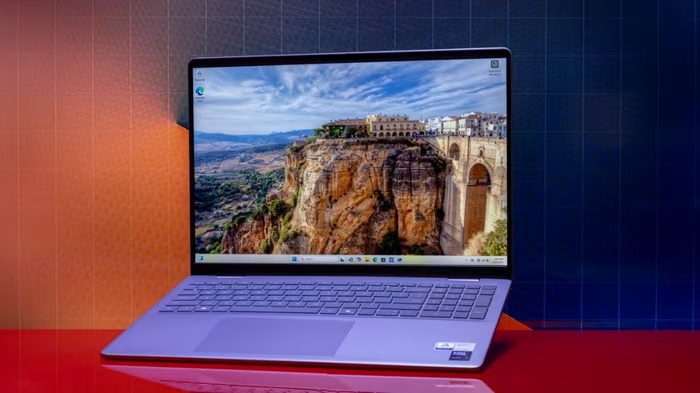
Dell 16 Plus Review
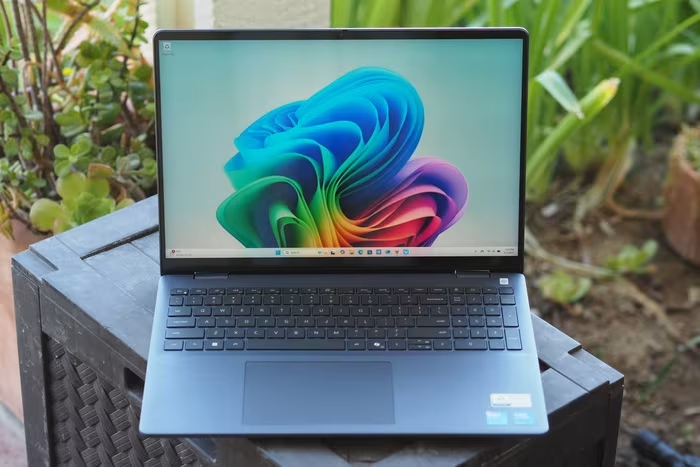
Dell 16 Plus Series
A diverse 16-inch laptop lineup ranging from high-performance workstations to mid-range productivity 2-in-1s by Dell.
How This Score Is Calculated
- Sources analysed: 16 reviews
- Explicit scores: 8 sources (weighted 1.5×)
- Sentiment-only: 8 sources (weighted 1.0×)
- Raw weighted average: 7.4
- Final score: 7.4/10 (rounded to 1 decimal)
- Most reviewed featureDisplay (16/16)
- Most praisedOLED/Mini-LED Panel
- Most criticisedWeight and Portability
- Value for moneyGood Value (7.2/10)
The Dell 16 Plus series is a split-identity product line. The 'Pro Max' workstation variants deliver immense desktop-replacement power and modularity for professionals, while the standard and 2-in-1 models cater to students and mainstream users with vibrant OLED/Mini-LED displays. Across the board, reviewers praise the build quality and screen fidelity, but note that the series is consistently heavy, often cumbersome in 2-in-1 formats, and prone to thermal heat under heavy loads.
🔧 Key Specifications
- Processor: Intel Core Ultra 9 285HX / Core Ultra 7 256V
- Display: 16-inch 3840x2400 OLED / 1600p Mini-LED (90Hz-120Hz)
- Graphics: NVIDIA RTX 5000 Blackwell / Intel Arc
- Memory: Up to 256GB CAMM2
- Storage: 3x M.2 Gen5 slots
- Connectivity: Thunderbolt 5, 2.5Gb Ethernet, HDMI 2.1
- Build: Magnesium/Aluminum, MIL-STD-810H
- Weight: 2.55kg (Pro Max model)
💲 Price Range
₹62,700 – ₹9,25,000
Prices vary drastically based on configuration (Mid-range vs Pro Workstation).
📊 What Reviewers Say — Feature by Feature
Features evaluated across 16 sources.
👍 Key Strengths
- Top-tier professional processing power
- Stunning OLED/Mini-LED display panels
- Exceptional modularity and upgradeability
- Thunderbolt 5 connectivity
👎 Key Weaknesses
- Heavy and bulky chassis design
- Thermal throttling under heavy loads
- Limited battery life on high-end models
- Inconsistent keyboard and touchpad quality
💰 Value for Money Analysis
The midrange models (starting ~$750) are considered excellent value for students and general users. Conversely, the high-end Pro Max workstation configurations are often viewed as overpriced compared to Apple's MacBook Pro 16-inch.
12 of 16 sources commented on price or value.
⚡ Where Reviewers Disagreed
The following areas saw meaningful disagreement.
- Keyboard/Trackpad: 5 sources praised the keyboard/trackpad as 'fantastic' and 'MacBook-quality', while 4 sources criticised it for 'stiff clicks' and 'indistinct tactile response'.
🎯 Who This Product Is For
🛠️ Best Use Cases
- Desktop ReplacementExcellent for stationary professional work due to port selection and thermal headroom.Great
- Media ConsumptionThe OLED/Mini-LED screens are class-leading for films and photo editing.Great
- Tablet Use (2-in-1)Too heavy and cumbersome for handheld use; best used in laptop mode.Poor
🔀 Alternatives Mentioned by Reviewers
- Apple MacBook Pro 16-inch — Frequently cited as the primary competitor. Reviewers note it is more portable, has better battery life, and offers better value for money in the premium space.
- Dell Pro Max 18 Plus — Recommended as the better choice for those who need a large-screen workstation and don't mind the added size.
- LG Gram Pro 2-in-1 16 — Suggested as a superior, more portable 16-inch 2-in-1 alternative for those who find the Dell too heavy.
- Lenovo ThinkPad P16 Gen 2 — A direct workstation competitor for professional engineering workflows.
🛒 Buyer's Guide
✅ Buy This If…
- You need a workstation that is easily upgradeable (RAM/Storage).
- You prioritise display quality above all else for creative work.
- You want a stationary desktop replacement with extensive ports.
❌ Skip This If…
- You are a frequent traveller who needs a lightweight device.
- You want a 2-in-1 device to use primarily as a tablet.
- You are sensitive to high fan noise or thermal heat.
⚠️ Things to Check Before Buying
- Verify specific configuration for RAM and display type as they vary significantly.
- Check if the 280W power brick is acceptable for your desk setup.
📈 Sentiment Trends Over Time
Reviews span from mid-2025 to 2026.
- Modularity — Later 2026 reviews highlight the shift toward CAMM2 and M.2 modularity as a major professional advantage.
The Dell 16 Plus series is an impressive, albeit heavy, machine that excels when used as a professional workstation. While the 2-in-1 functionality is somewhat hampered by the device's physical footprint, the display quality and modularity remain top-tier. For creative professionals, it is a workhorse; for everyone else, ensure you truly need the 16-inch screen before committing to the weight.
Top Alternative: Apple MacBook Pro 16-inch — Choose this if you prioritise battery life and portability over modularity.