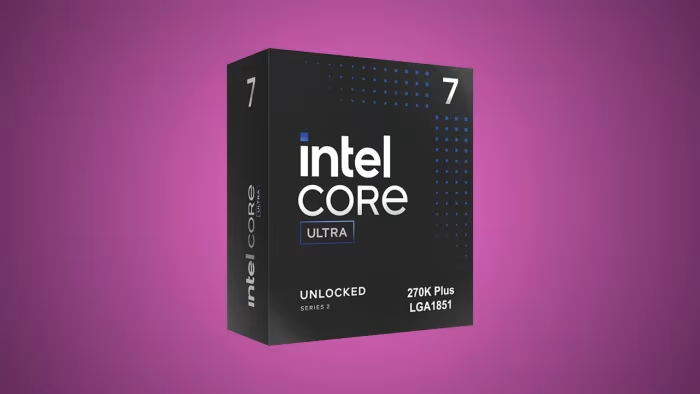
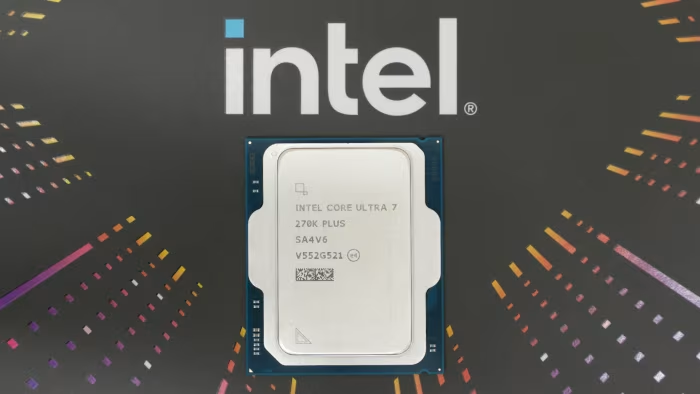
intel core ultra 7 270k plus Review

Intel Core Ultra 7 270K Plus
A refined, high-performance desktop processor from Intel, delivering significant productivity and gaming improvements via architectural and software-side optimizations.
How This Score Is Calculated
- Sources analysed: 32 reviews
- Explicit scores: 28 sources (weighted 1.5×)
- Sentiment-only: 4 sources (weighted 1.0×)
- Split: 27 Positive · 3 Mixed · 2 Negative
- Raw weighted average: 8.7
- Formula: Σ(score × weight) ÷ Σ(weight)
- Consensus bonus +0.3: 85% sources agreed
- Review period: Recent launch wave
- Value sources: 28 of 32 mentioned price or value
- Final score: 8.7/10
Algorithmically calculated from source data. No manual adjustments.
- Most reviewed featureProductivity Performance (32/32)
- Most praisedMulti-threaded Value
- Most criticisedPower Consumption
- Reviewer consensus levelHigh
- Avg explicit reviewer score8.7/10
- Value for moneyExcellent Value (8.8/10)
The Intel Core Ultra 7 270K Plus is widely regarded as a 'return to form' for Intel, offering class-leading multi-threaded productivity performance that frequently eclipses the flagship Core Ultra 9 285K. While it remains behind AMD's specialized X3D chips for pure, top-tier gaming, its aggressive $299–$300 pricing makes it an incredibly compelling value proposition for users balancing heavy creative workloads and gaming. The chip benefits significantly from new binary optimization tools and refined core configurations, though it requires robust cooling and high-end motherboards to reach its full potential.
🔧 Key Specifications
Specifications sourced from reviewer mentions. Verify with manufacturer for complete details.
- Architecture: Arrow Lake-S (3nm)
- Core Configuration: Enhanced P-core and E-core layout
- L3 Cache: 36 MB
- Memory Support: DDR5 up to 7200MT/s (Native), 8800MT/s+ (OC), CUDIMM support
- TDP: 250W Maximum Turbo Power
- Socket: LGA1851
- Chipset Compatibility: Z890 (Recommended for OC)
- Features: Intel Binary Optimization Technology (IBOT), NPU for AI
💲 Price Range
$299 – $349 (approx. ₹20,000 – ₹52,999)
Prices sourced from reviews. Check current retailer pricing.
📊 What Reviewers Say — Feature by Feature
8 primary features evaluated across 32 sources.
👍 Key Strengths
- Exceptional multi-threaded productivity performance
- Aggressive $299 pricing
- Significant gaming uplift over 265K
- Strong memory overclocking support
- Compatible with existing LGA1851 coolers
👎 Key Weaknesses
- High power consumption under load
- Requires expensive, robust cooling solutions
- Trails AMD X3D in pure gaming
- LGA1851 platform has no upgrade path
- IBOT support remains limited/inconsistent
💰 Value for Money Analysis
Reviewers almost unanimously agree that the $299 launch price makes this one of the most cost-effective performance chips Intel has released in years. It consistently outperforms more expensive components, including the Core Ultra 9 285K, in real-world productivity scenarios.
28 of 32 sources commented on price or value.
⚡ Where Reviewers Disagreed
The following areas saw meaningful disagreement across sources.
- Gaming Supremacy: 25 sources classify it as a top-tier gaming CPU, while 7 sources emphasize that it is strictly secondary to AMD's X3D lineup, creating a divide between 'best for the price' vs 'best for performance' perspectives.
🎯 Who This Product Is For
Reviewer recommendations for different target audiences and use cases.
🛠️ Best Use Cases
- Productivity & RenderingExceptional performance in multi-threaded tasks due to high core count and optimized architecture.Great
- High-End GamingStrong, consistent frame rates, though not at the absolute bleeding edge of the market.Good
- AI WorkloadsIntegrated NPU provides modest acceleration for basic AI tasks, though real-world gains are limited.OK
🔀 Alternatives Mentioned by Reviewers
Maximise this list. Include EVERY single competitor, rival, or alternative product mentioned in any of the source reviews.
- AMD Ryzen 7 9800X3D / 9850X3D — The primary gaming rival. Reviewers consistently note these chips hold the crown for pure gaming performance and efficiency due to their 3D V-Cache, though they often cost more and trail in multi-threaded productivity.
- Intel Core Ultra 9 285K — Intel's own flagship. Multiple reviewers state the 270K Plus renders this chip redundant for most users by providing equal or better performance at a significantly lower price point.
- Intel Core Ultra 7 265K — The predecessor. The 270K Plus is widely considered a necessary correction, offering better gaming frame pacing, higher clocks, and improved core counts.
- AMD Ryzen 7 9700X — A direct price competitor. The 270K Plus is generally favored for its superior thread counts and multi-core performance in productivity benchmarks.
- Intel Core Ultra 5 250K Plus — The budget sibling. Recommended for midrange builds where multi-core needs are lower, as it offers even better value for general gaming users.
Alternatives sourced exclusively from reviewer mentions.
🛒 Buyer's Guide
✅ Buy This If…
- You need a powerful workstation CPU that handles rendering and creative apps with ease.
- You want the best possible price-to-performance ratio for a new LGA1851 build.
- You are upgrading from a much older platform and want a significant productivity jump.
❌ Skip This If…
- You are a competitive gamer who demands the absolute highest frame rates (buy X3D).
- You do not have a high-quality 360mm AIO cooler to manage its heat output.
- You are waiting for a new socket platform, as LGA1851 is nearing its end.
⚠️ Things to Check Before Buying
- Verify your motherboard BIOS is updated to support the 'Plus' series refresh.
- Ensure your cooling solution is rated for high TDP (250W+).
- Check if your preferred gaming titles are compatible with Intel Binary Optimization Tool.
📈 Sentiment Trends Over Time
Reviews indicate a shift from initial skepticism of the Arrow Lake platform to strong approval of the 'Plus' refresh.
- Performance Stability — The 270K Plus is widely seen as the 'stable' and 'corrected' version of the original 200S-series launch chips.
The Intel Core Ultra 7 270K Plus is a triumphant return to form for Intel, offering a near-perfect balance of productivity muscle and gaming capability. While it requires a serious cooling setup and doesn't quite reach the gaming heights of AMD's X3D series, its $299 price tag makes it the most logical choice for the majority of power users and creators. If you need a reliable workhorse that doesn't sacrifice gaming performance, this is the current market leader. Avoid if you are a pure gaming enthusiast who only cares about 3D V-Cache benchmarks.
Top Alternative: AMD Ryzen 7 9800X3D — Choose this instead if your primary focus is strictly top-tier gaming frame rates.