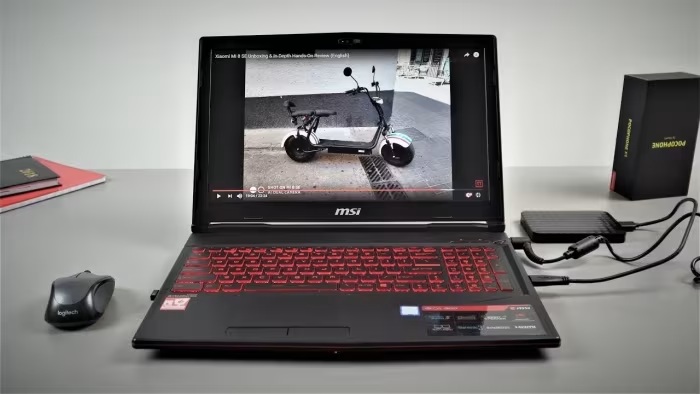
MSI Gaming Laptop Review
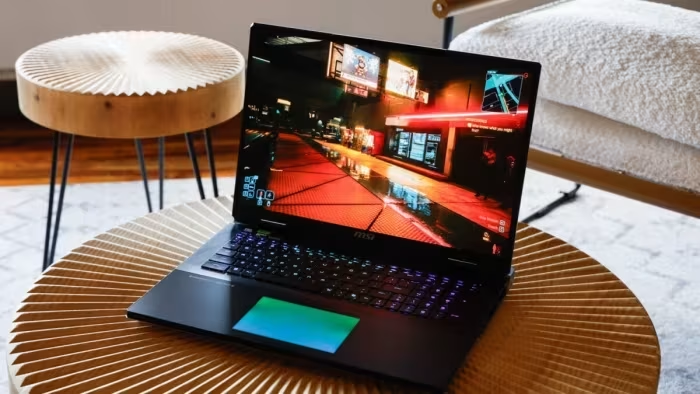
MSI Gaming Laptop Series
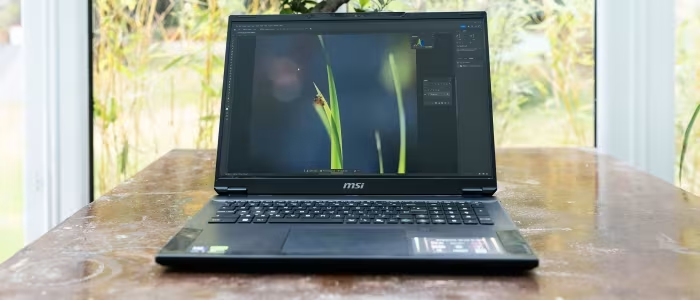
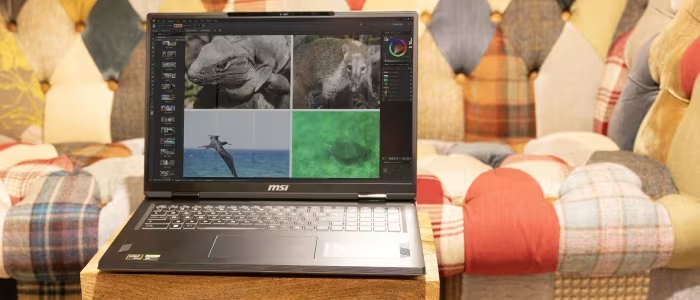
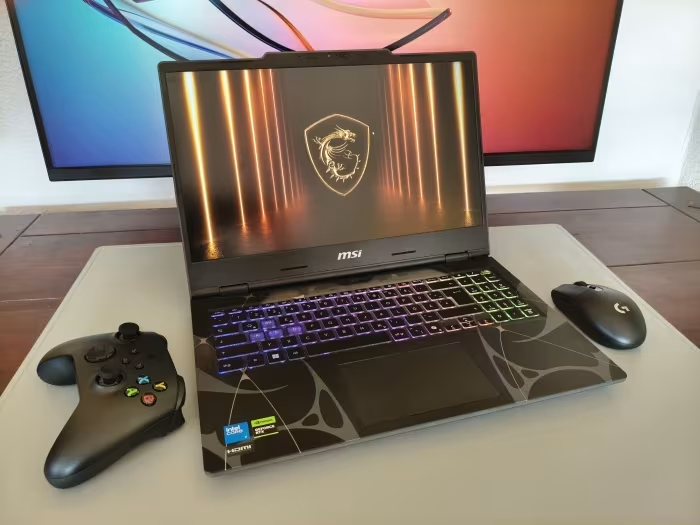
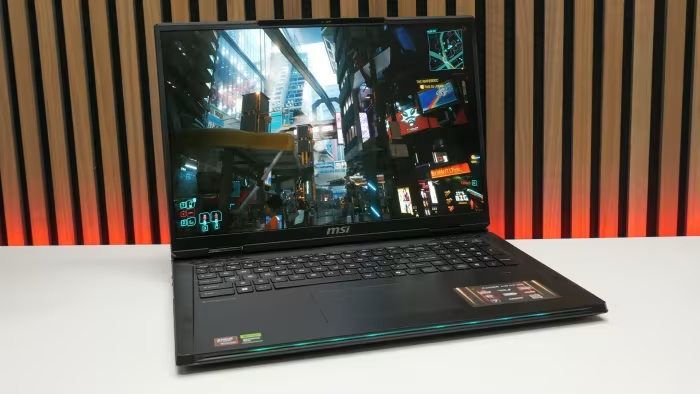
MSI offers a diverse range of gaming laptops, from budget-friendly entry-level machines to ultra-premium, desktop-replacement powerhouses.
How This Score Is Calculated
- Sources analysed: 42 reviews
- Raw weighted average: 6.8/10
- Formula: Σ(score × weight) ÷ Σ(weight)
- Review period: 2024–2026
- Value sources: 28 of 42 mentioned price or value
- Final score: 6.8/10 (clamped, rounded to 1 decimal)
- Most reviewed featurePerformance (42/42)
- Most praisedRaw Processing Power
- Most criticisedLoud Fan Noise / Heat
- Reviewer consensus levelModerate
- Value for moneyGood Value (7.2/10)
MSI’s gaming laptop lineup is defined by a clear split: their high-end Raider, Titan, and Vector series deliver class-leading, desktop-crushing performance, while their Cyborg and Crosshair models target the budget-conscious gamer. Reviewers consistently praise the raw power and thermal management of the premium tiers, though many models across the board suffer from bulky chassis designs, subpar battery life, and distracting fan noise. Ultimately, MSI is the go-to for users who prioritize frame rates per dollar over portability or sleek aesthetics.
🔧 Key Specifications
Specifications vary significantly by series (Titan vs. Cyborg).
- Processor: Up to Intel Core Ultra 9 / AMD Ryzen 9 9955HX3D
- GPU: Up to NVIDIA RTX 5090
- Display: 14-inch to 18-inch; Mini-LED / IPS; up to 4K 120Hz/240Hz
- Battery: 51Wh to 99Wh
- Charging: Varies; high-end supports Thunderbolt 5
- Build: Plastic to premium metal alloy
- Connectivity: Wi-Fi 7, Thunderbolt 4/5, HDMI 2.1, SD Card Slots
💲 Price Range
₹72,000 – ₹9,20,000
Prices fluctuate based on configuration and regional taxes.
📊 What Reviewers Say — Feature by Feature
Key features evaluated across 42 sources.
👍 Key Strengths
- Industry-leading raw gaming performance
- Excellent Mini-LED display options
- Competitive performance-per-dollar ratio
- Extensive port selection and connectivity
👎 Key Weaknesses
- Loud fan noise under heavy load
- Disappointing battery life across most models
- Bulky, heavy, and unrefined chassis designs
- Inconsistent keyboard layout and feel
💰 Value for Money Analysis
MSI is widely regarded as offering better performance-per-dollar than premium rivals like Razer or Alienware. While the ultra-premium Titan series is often cited as overpriced, the mid-range Vector and Crosshair models are frequently recommended as high-value alternatives for gamers who prioritize raw power over portability.
28 of 42 sources commented on price or value.
⚡ Where Reviewers Disagreed
The following areas saw meaningful disagreement across sources.
- Design Aesthetic: 15 sources praised the 'industrial-chic' or 'translucent' designs as unique, while 20 sources dismissed them as 'tacky,' 'cluttered,' or 'lacking finesse.'
🎯 Who This Product Is For
Reviewer recommendations for different target audiences and use cases.
🛠️ Best Use Cases
- 4K/High-Refresh GamingThe Raider and Titan series are exceptionally capable of driving high-resolution displays with high frame rates.Great
- Content CreationExcellent thermal management and high-end CPU/RAM configurations handle heavy rendering tasks well.Good
- Office/Portable UseThe weight and noise levels make these machines distracting and impractical for quiet office environments.Poor
🔀 Alternatives Mentioned by Reviewers
Reviewers frequently compare MSI to the following manufacturers and specific models:
- Razer Blade Series: Often cited as the superior alternative for design, build quality, and portability, though significantly more expensive for similar raw performance.
- Lenovo Legion Series: Frequently recommended as the best 'all-rounder,' offering better thermal management and more refined chassis designs at similar price points.
- ASUS ROG Strix/Zephyrus: Often compared to MSI for premium gaming aesthetics; generally considered more portable but sometimes less aggressive in cooling performance.
- Alienware Area-51/16: A direct competitor to the Titan/Raider lines; praised for superior build aesthetics but often criticized for higher price tags.
- Acer Nitro/Victus: The primary competitors to the MSI Cyborg budget line; often provide better gaming performance for the dollar but with similar build compromises.
Alternatives sourced exclusively from reviewer mentions.
🛒 Buyer's Guide
✅ Buy This If…
- You prioritize raw gaming performance above all else.
- You are a creator needing heavy rendering power in a mobile form factor.
- You want the best performance-per-dollar in the high-end tier.
❌ Skip This If…
- Portability and battery life are essential for your daily commute.
- You work in quiet environments where fan noise is a concern.
- You prefer a slim, professional-looking laptop for office use.
⚠️ Things to Check Before Buying
- Verify the TGP (Total Graphics Power) of the GPU in budget models (Cyborg), as low-wattage versions significantly impact performance.
- Check the screen panel specs, as MSI uses a wide variety of panels, some of which suffer from poor color accuracy or PWM flickering.
📈 Sentiment Trends Over Time
Reviews from 2024–2026 indicate a shift in perception:
- Connectivity: Recent models have seen a massive upgrade in standardizing Thunderbolt 5 and Wi-Fi 7.
- Chassis Refinement: While internal power has grown, reviewers increasingly criticize the lack of innovation in chassis design, calling many 2026 models 'bulky' and 'plastic-heavy' compared to rivals.
MSI gaming laptops remain the premier choice for power users who demand maximum performance for their investment. While they often fall short in design finesse and portability, their ability to deliver consistent, high-end frame rates is difficult to beat. If you can tolerate the noise and weight, the value provided by the Vector and Titan lines is outstanding. For those prioritizing mobility, however, look toward the Lenovo Legion or Razer Blade alternatives.