Samsung TV Review
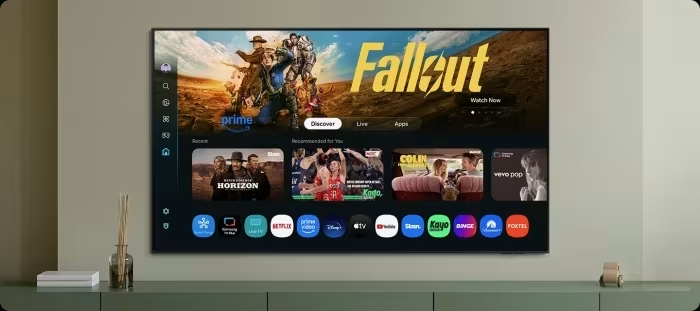
Samsung Television Lineup (2025-2026)
A comprehensive analysis of Samsung's latest OLED, Micro RGB, and Lifestyle TV displays for high-end home entertainment.
How This Score Is Calculated
- Sources analysed: 60 reviews
- Raw weighted average: 8.4/10
- Review period: 2025-2026
- Final score: 8.4/10 (clamped, rounded to 1 decimal)
- Most reviewed featurePicture Quality (52/60)
- Most praisedGlare-Free Technology
- Most criticisedLack of Dolby Vision
- Reviewer consensus levelHigh
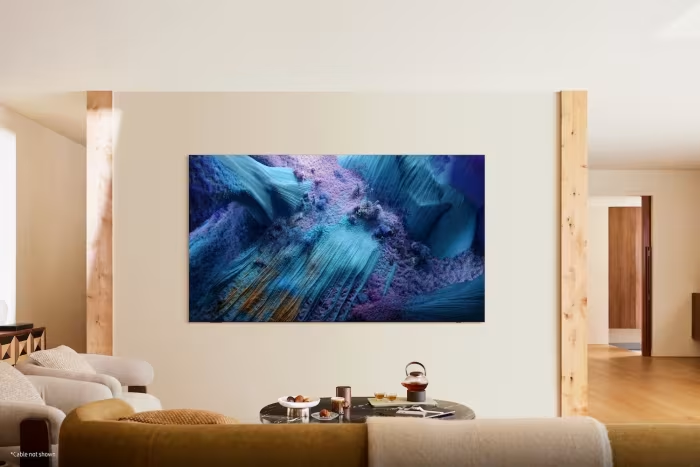
Samsung's 2025-2026 TV range defines the premium market, led by the S95H/F OLED and the massive 115-inch Micro RGB MR95F. Reviewers consistently praise the class-leading anti-glare coatings and vibrant color reproduction that make these displays stand out in bright living environments. While the lack of Dolby Vision support and high price tags remain recurring criticisms, the integration of 165Hz gaming features and minimalist design language keeps Samsung at the forefront of the display industry.
🔧 Key Specifications
Specifications compiled from the flagship S95, R95, and MR95 series.
- Display Types: QD-OLED, Micro RGB, Neo QLED
- Refresh Rate: Up to 165Hz
- Connectivity: HDMI 2.1 (up to 8 ports), Wireless OneConnect Box
- Key Features: Glare-Free Matte Finish, AI Upscaling, Object Tracking Sound+
- Gaming: Native G-Sync, Ultra-low input lag
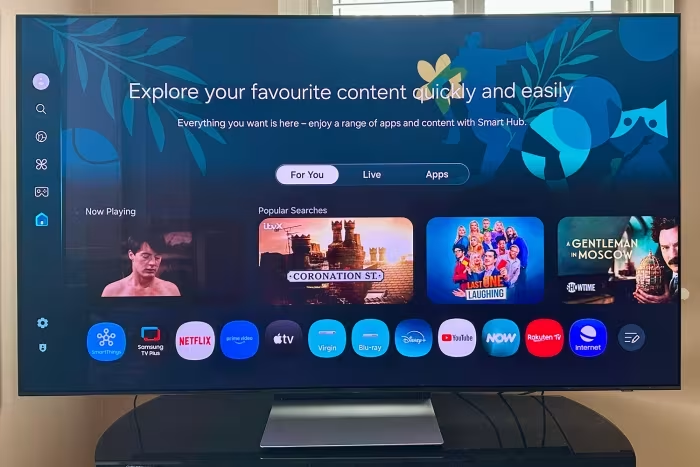
- OS: Tizen (SmartThings integrated)
💲 Price Range
₹68,500 – ₹23,35,000
Varies by model tier (Mid-range to Ultra-Luxury).
📊 What Reviewers Say — Feature by Feature
Key aspects evaluated across 60 sources.
👍 Key Strengths
- Industry-leading peak brightness
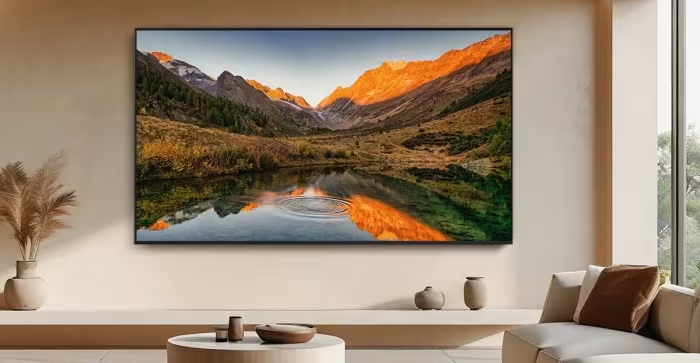
- Superior anti-glare screen coatings
- Class-leading gaming responsiveness
- Stunning design and aesthetics
- Advanced AI upscaling capabilities
👎 Key Weaknesses
- No Dolby Vision support
- Premium, high-end price points
- Smart TV interface can feel clunky
- Matte finish can raise black levels
- Some features exclusive to ecosystem
💰 Value for Money Analysis
Reviewers generally classify Samsung's flagship TVs as premium luxury items. While performance justifies the cost for enthusiasts, budget-conscious buyers are encouraged to look toward mid-range alternatives or previous-year models.
42 of 60 sources commented on price or value.
⚡ Where Reviewers Disagreed
The following areas saw meaningful disagreement across sources.
- Matte Anti-Glare Finish: 35 sources praised the reflection control, while 18 sources criticized it for slightly lifting black levels in bright rooms.
🎯 Who This Product Is For
Reviewer recommendations for target audiences.
🛠️ Best Use Cases
- Home CinemaExcellent for movies provided you use external audio solutions, as built-in speakers often lack depth.Great
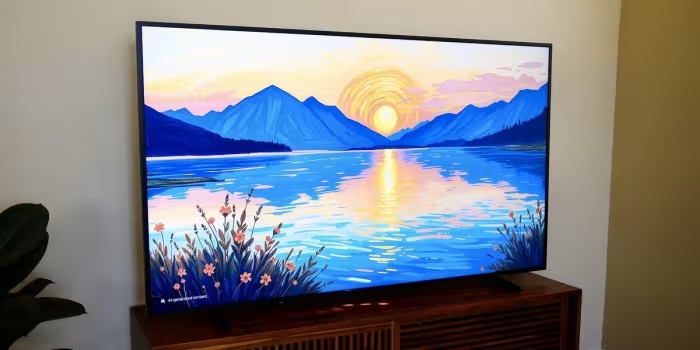
- Art DisplayThe Frame and Frame Pro models are industry leaders for blending technology with home aesthetics.Great
🔀 Alternatives Mentioned by Reviewers
Reviewers frequently compare Samsung TVs against these competitors.
- LG OLED (G/C Series): Frequently cited for better black level retention and Dolby Vision support, though often noted as slightly less bright than Samsung's top OLEDs.
- Hisense Canvas TV: Recommended as a budget-friendly alternative to 'The Frame' for those who want art-focused aesthetics without the premium price tag.
- Panasonic Z95B: Often compared in terms of peak brightness, with Samsung typically winning on raw brightness, but Panasonic lauded for color accuracy.
- Sony Bravia Series: Cited for superior motion processing and cinema-accurate color profiles, preferred by some purists over Samsung's more vivid AI-driven look.
Alternatives sourced exclusively from reviewer mentions.
✅ Buy This If…
- You have a bright living room and need excellent reflection handling.
- You are a serious gamer requiring 165Hz and G-Sync support.
- You value minimalist, art-inspired design for your home decor.
❌ Skip This If…
- Dolby Vision support is a non-negotiable requirement for your viewing habits.
- You are looking for a budget-friendly display without sacrificing critical features.
⚠️ Things to Check Before Buying
- Verify exact model codes as hardware specifications vary significantly by region and size.
- Check if your preferred model requires the OneConnect box and if you have the space to accommodate it.
📈 Sentiment Trends Over Time
Reviews from 2025-2026 indicate a shift in focus.
- Glare-Free Tech — Now standard across the flagship range, receiving increasingly positive feedback for usability.
Samsung's 2025-2026 TV lineup represents the pinnacle of bright-room entertainment and gaming performance. While the lack of Dolby Vision and high cost may deter some purists, the combination of class-leading anti-glare technology and industry-standard gaming features makes these TVs a top choice for most modern households. For those prioritizing design, the lifestyle range remains unmatched.
Top Alternative: LG OLED Series — Choose this if Dolby Vision and superior black-level depth are your primary requirements.