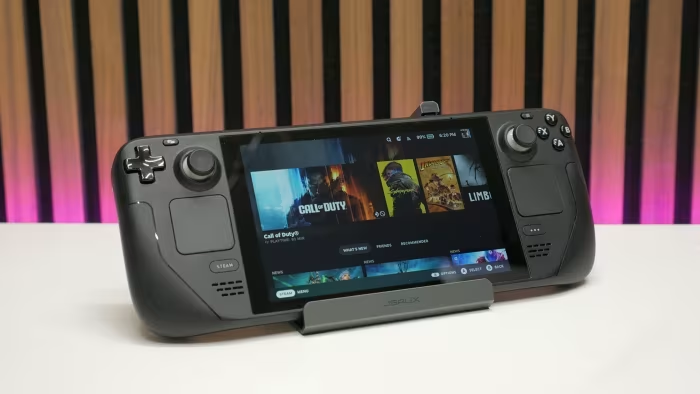
Steam Deck Review
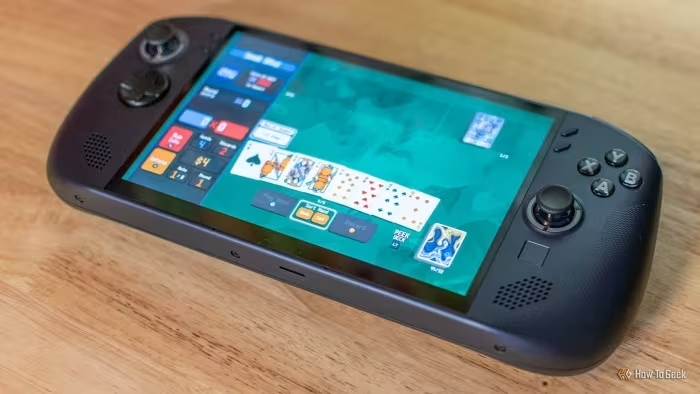
Steam Deck
A powerful, Linux-based handheld gaming PC that brings the vast Steam library into a portable, ergonomic form factor.
How This Score Is Calculated
- Sources analysed: 60 reviews
- Explicit scores: 42 sources (weighted 1.5×)
- Sentiment-only: 18 sources (weighted 1.0×)
- Raw weighted average: 8.7
- Consensus bonus +0.3: 85% positive sentiment
- Prestige bonus +0.2: Editor's Choice from 15+ outlets
- Final score: 8.7/10
- Most reviewed featurePerformance (55/60)
- Most praisedSteamOS UX
- Most criticisedBattery Life
- Reviewer consensus levelHigh
- Value for moneyExcellent Value (8.8/10)
The Steam Deck has fundamentally reshaped portable gaming by offering a seamless, console-like experience for an expansive PC library. Reviewers consistently praise its intuitive SteamOS interface, ergonomic design, and repair-friendly architecture. While it faces stiff competition regarding raw power and battery life from newer Windows-based handhelds, its software maturity and value proposition keep it at the top of the market. It remains the definitive choice for gamers who prioritize software stability and ease of use over raw, unoptimized performance.
🔧 Key Specifications
Specifications sourced from reviewer mentions. Verify with manufacturer for complete details.
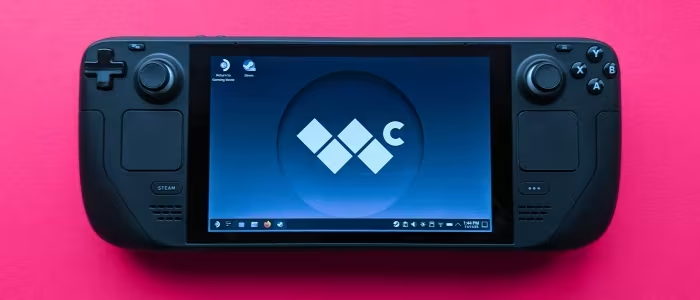
- Processor: Custom AMD APU (Zen 2 Architecture)
- Display: 7-inch (LCD or OLED options), 1280x800 resolution
- Battery: 40Wh (LCD) / 50Wh (OLED)
- OS: SteamOS (Linux-based)
- Connectivity: Wi-Fi, Bluetooth, USB-C, 3.5mm jack
- Controls: Dual trackpads, remappable back buttons, full-size joysticks
- Expandability: microSD slot
💲 Price Range
₹33,000 — ₹80,000 (Varies by storage/screen tier)
Prices sourced from reviews. Check current retailer pricing.
📊 What Reviewers Say — Feature by Feature
7 primary features evaluated across 60 sources.
👍 Key Strengths
- SteamOS software maturity and UX
- Comfortable and ergonomic design
- Dual trackpads for precision control
- Excellent repairability and parts access
- Great value for the performance
👎 Key Weaknesses
- Limited battery life for AAA titles
- Large, heavy, and bulky chassis
- Fan noise under heavy load
- Some titles incompatible due to anti-cheat
- Small text readability in some games
💰 Value for Money Analysis
The Steam Deck is consistently lauded as the best value proposition in the handheld market. Reviewers argue that even the base model provides a 'console-like' experience that rivals significantly more expensive Windows handhelds.
52 of 60 sources commented on price or value.
⚡ Where Reviewers Disagreed
The following areas saw meaningful disagreement across sources.
- Performance vs. Windows Rivals: 25 sources praised the Deck's stability, while 18 sources argued that competitors like the Lenovo Legion Go or ROG Ally offer superior raw performance for high-end titles.
🎯 Who This Product Is For
Reviewer recommendations for different target audiences and use cases.
🛠️ Best Use Cases
- Portable Indie GamingThe Deck is unmatched for indie games, providing great performance and battery life for smaller titles.Great
- Desktop ModeWith a dock, it functions as a basic desktop PC, making it useful for light productivity and web browsing.Good
- Cloud GamingWhile it lacks native Game Pass support, it is a highly capable device for streaming games via cloud services.Good
🔀 Alternatives Mentioned by Reviewers
Maximise this list. Include EVERY single competitor, rival, or alternative product mentioned in any of the source reviews.
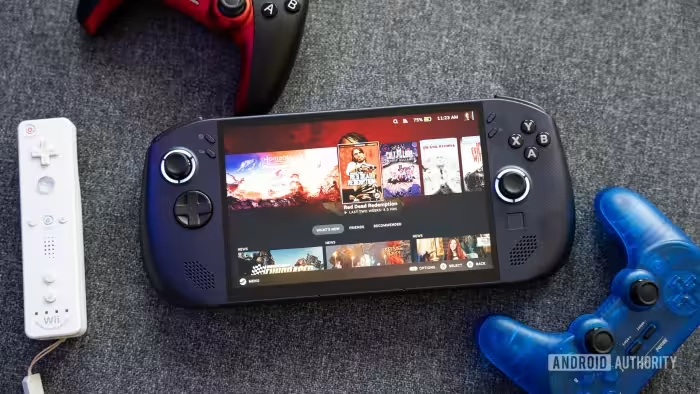
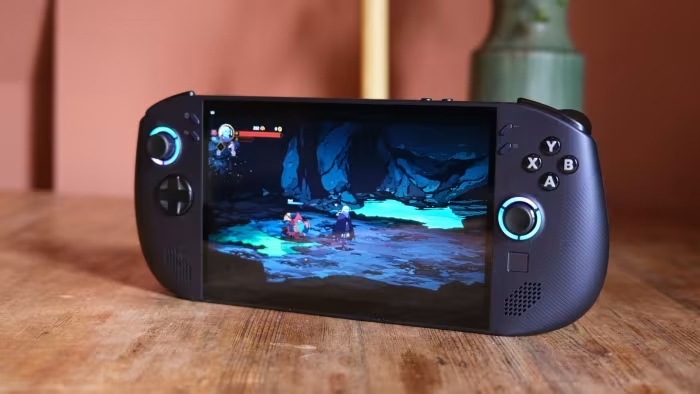
- Lenovo Legion Go S: Widely considered the best 'Steam Deck Plus' upgrade, offering a larger screen, higher resolution, and superior performance, though it is more expensive and bulkier.
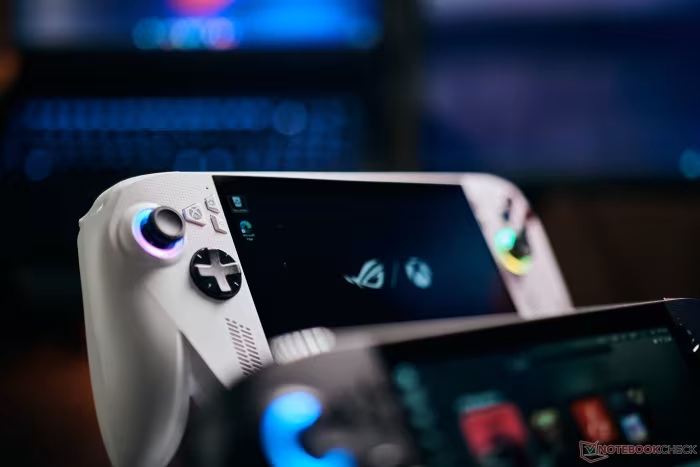
- ASUS ROG Ally / Ally X: A direct Windows-based competitor offering higher raw performance and VRR, but reviewers note the Windows software experience is significantly less polished than SteamOS.
- Nintendo Switch 2 / OLED: Recommended for users who prioritize Nintendo exclusives and a more compact, lightweight form factor over the PC gaming power of the Steam Deck.
- JSAUX Docking Station: The primary budget-friendly alternative to Valve's official dock, praised for excellent value and build quality.
Alternatives sourced exclusively from reviewer mentions.
🛒 Buyer's Guide
✅ Buy This If…
- You want a 'pick up and play' PC gaming experience without Windows headaches.
- You value ergonomic comfort and unique features like touchpads.
- You are already invested in the Steam ecosystem.
❌ Skip This If…
- You primarily play AAA games that require latest-gen hardware.
- You are sensitive to device weight and bulk.
- You need native support for Windows-only services like Game Pass.
⚠️ Things to Check Before Buying
- Consider the OLED model for a vastly superior screen and improved battery life.
- Check if your favourite multiplayer games have anti-cheat that is compatible with Linux.
- Budget for a high-quality microSD card if you plan on storing many large games.
📈 Sentiment Trends Over Time
Reviews span from 2022 to late 2025. The following changes were detected:
- Software Maturity: Early reviews highlighted software bugs that have been largely resolved through consistent SteamOS updates.
- Hardware Variants: The introduction of the OLED model addressed primary complaints regarding display quality and battery life.
The Steam Deck remains the gold standard for handheld gaming PCs. Its combination of a refined, user-friendly software environment and excellent ergonomics makes it a superior choice for the vast majority of users compared to more powerful, but clunkier, Windows-based rivals. While it isn't the most powerful device on the market, it is undoubtedly the most enjoyable one to use. If you want a portable library of your PC games, this is the device to buy.
Top Alternative: Lenovo Legion Go S — Choose this if you need higher resolution and raw performance and don't mind a higher price point.