The Predator Review
Predator Brand (Acer & HyperX)
A diverse range of high-performance gaming hardware, peripherals, and entertainment spanning laptops, monitors, storage, and film.
How This Score Is Calculated
- Sources analysed: 19 reviews
- Sentiment-only: 19 sources weighted equally
- Split: 13 Positive · 4 Mixed · 2 Negative
- Raw weighted average: 7.2
- Most reviewed featurePerformance (14/19)
- Most praisedRaw Power
- Most criticisedPricing & Battery Life
- Reviewer consensus levelModerate
The Predator brand consistently delivers high-octane performance across its diverse ecosystem, from enthusiast-grade gaming laptops and immersive monitors to specialized storage and memory. While reviewers frequently praise the raw processing capabilities and aggressive design, the brand is often hampered by premium pricing, inconsistent battery life in portable units, and occasional ergonomic oversights. It serves as a go-to choice for power users, though casual buyers may find better value elsewhere.
🔧 Key Specifications (Representative)
- Core Tech: Intel Arc, RTX 50-series GPUs, DDR4/DDR5 Memory
- Displays: OLED panels (up to 240Hz), Mini-LED options
- Storage: NVMe PCIe 4.0 SSDs
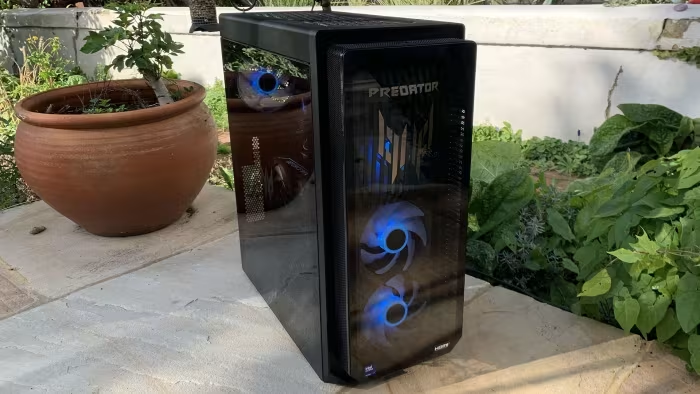
- Build: Metal chassis (Triton series), Liquid cooling (Orion 7000)
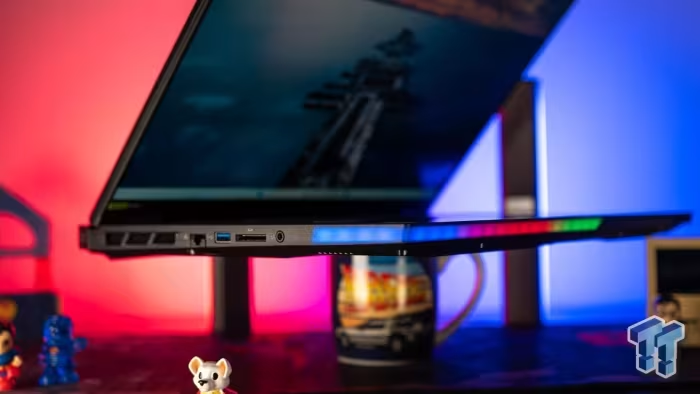
- Connectivity: Thunderbolt 4, 2.5GbE, USB-C 90W PD
💲 Price Range
Wide variability: peripherals start under ₹10,000, while flagship laptops exceed ₹2,00,000.
Prices reflect market snapshots; high variance due to hardware tiers.
📊 What Reviewers Say — Feature by Feature
👍 Key Strengths
- Elite processing power
- Stunning OLED display quality
- Robust, professional build
- Efficient cooling systems
👎 Key Weaknesses
- Poor battery longevity
- High price-to-performance ratio
- Limited user upgradeability
- Loud fan noise
💰 Value for Money Analysis
Reviewers often note that while the hardware is top-tier, the 'Predator tax' makes them expensive compared to similar spec-sheet rivals. Discounts are highly recommended.
⚡ Where Reviewers Disagreed
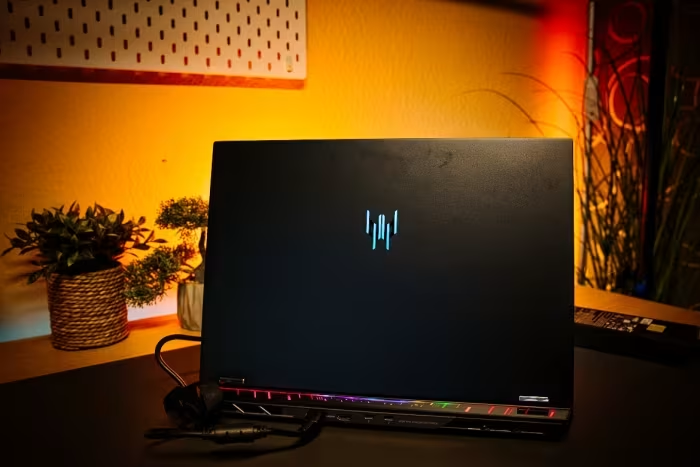
- Design: Some praise the 'understated' professional aesthetic, while others find the heavy, bulky chassis of larger units like the Helios 18 to be cumbersome and outdated.
🎯 Who This Product Is For
🛠️ Best Use Cases
- Desktop Gaming With high-refresh OLEDs and liquid cooling, these machines excel at stationary high-end gaming. Great
- Video Rendering Performance-oriented CPUs and GPUs handle heavy rendering workloads with ease. Great
🔀 Alternatives Mentioned by Reviewers
- Asus ROG Zephyrus G14 — Frequently cited as a more portable, better-balanced alternative for creative users compared to the Triton 14.
- Samsung Odyssey Neo G9 — The primary competitor to the Predator Z57, offering a 240Hz refresh rate (versus 120Hz) for a higher price.
- MSI Katana 15 HX — A more budget-friendly alternative to the Predator Triton series, though it sacrifices build quality.
- Razer Blade 14 — Noted for offering superior gaming performance compared to the Triton 14, albeit at a premium price point.
✅ Buy This If…
- You prioritize raw performance and cooling over portability.
- You need a high-quality OLED display for color-critical creative work.
❌ Skip This If…
- You need a device that can last a full workday on battery power.
- You are a budget-conscious buyer looking for high upgradeability.
📈 Sentiment Trends Over Time
Reviews from 2025-2026 indicate a shift towards AI-integrated hardware.
- Performance focus — Remains the core selling point, though the industry is increasingly emphasizing 'AI' capabilities in marketing.
The Predator line succeeds by offering uncompromising power for gamers and creators who don't mind staying plugged in. While the high price and battery limitations are real drawbacks, the build quality and sheer processing speed are hard to beat. For those needing a professional-grade studio companion or a top-tier gaming rig, it remains a strong choice.